


Sinter Metal Filter Hs Code
In the global landscape of industrial procurement, the precision of technical specifications is matched only by the importance of regulatory compliance. For engineers and purchasing managers sourcing high-performance filtration components, understanding the sinter metal filter hs code is a fundamental step in ensuring seamless international trade and accurate cost forecasting. Sintered metal filters are critical components in demanding environments, ranging from chemical processing to aerospace, where durability and precise micron ratings are non-negotiable.
This article provides a technical overview of Sintered Metal Filters, their manufacturing principles, and a detailed guide to the Harmonized System (HS) codes used for their classification in global commerce.
Understanding Sintered Metal Filtration Technology
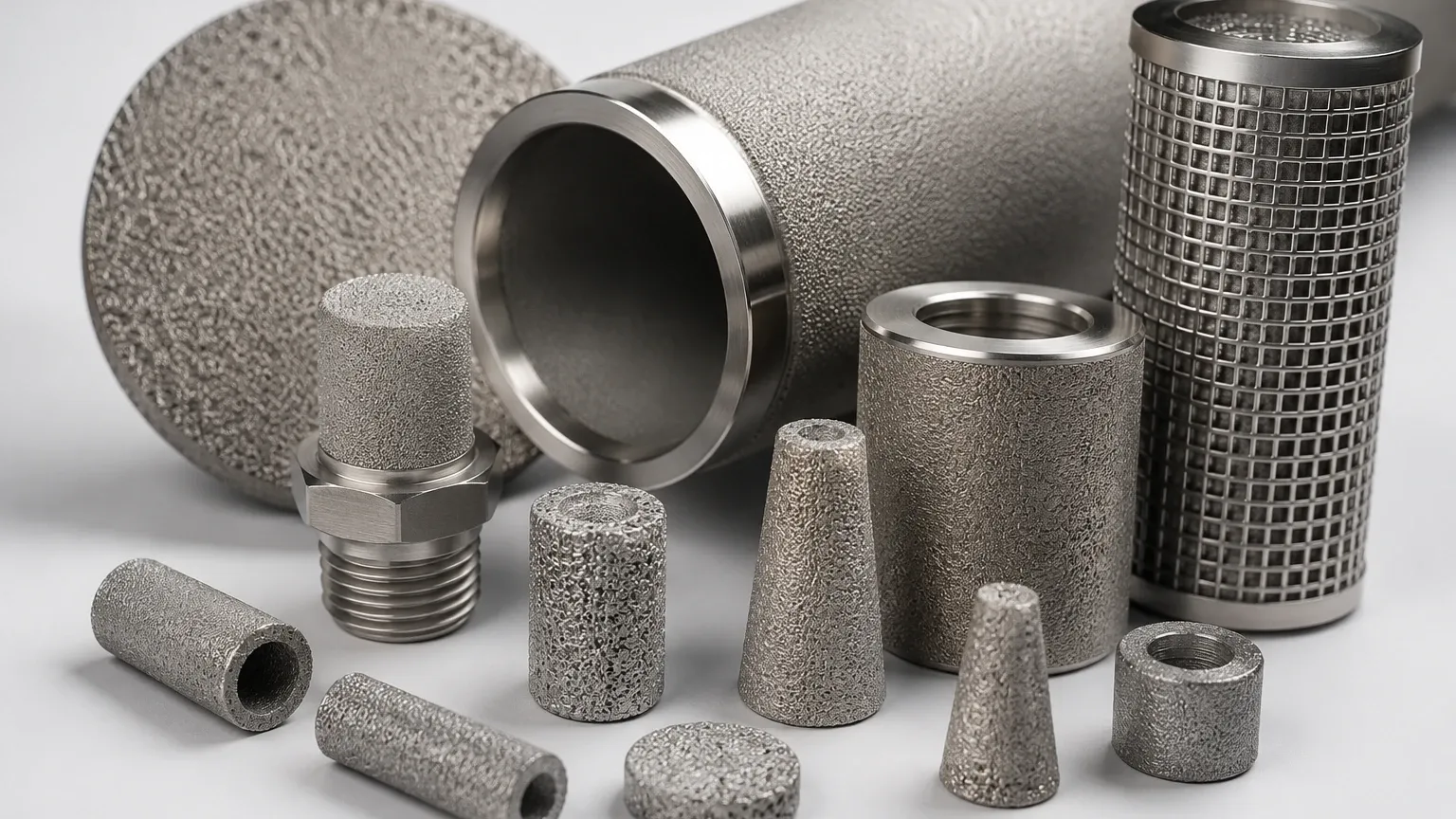
Sintered metal filters are porous metallic components manufactured through a process called sintering. This involves taking metal powders or multiple layers of stainless steel wire mesh and heating them in a controlled-atmosphere furnace at temperatures below the melting point of the base metal. This process causes the particles or wires to bond at their contact points, creating a rigid, porous structure with high mechanical strength.
Unlike traditional fabric or polymer filters, sintered metal solutions offer exceptional resistance to high temperatures, high pressures, and corrosive chemicals. They are frequently utilized in applications where backwashing or ultrasonic cleaning is required to extend the service life of the filter element. For technical teams, the selection of these filters depends on specific parameters such as the alloy type (commonly 316L stainless steel), the pore size distribution, and the required flow rate.
The Role of the Sinter Metal Filter HS Code in Global Trade
The Harmonized System (HS) is an internationally standardized system of names and numbers for classifying traded products. Developed and maintained by the World Customs Organization (WCO), it is used by more than 200 countries as a basis for their customs tariffs and the collection of international trade statistics.
For a sinter metal filter hs code, the classification typically falls under Chapter 84, which covers nuclear reactors, boilers, machinery, and mechanical appliances. Specifically, the heading 8421 is designated for "Centrifuges, including centrifugal dryers; filtering or purifying machinery and apparatus, for liquids or gases."
Common HS Code Classifications for Sintered Metal Filters
Depending on the specific application (liquid vs. gas) and the nature of the filter as a component or a complete unit, the following codes are most frequently applied:
1. 8421.29: This sub-heading is used for filtering or purifying machinery and apparatus for liquids, other than those specifically mentioned in other sub-headings (like water or beverage filters). Many industrial sintered metal cartridges used in oil, chemical, or hydraulic liquid filtration fall into this category.
2. 8421.39: This sub-heading applies to filtering or purifying machinery and apparatus for gases. Sintered metal elements used in pneumatic systems, gas sparging, or exhaust filtration are often classified here.
3. 8421.99: This code is often used for "parts" of filtering or purifying machinery. If the sintered metal component is being imported as a replacement element for a larger filtration system, this classification may be appropriate.
4. 7326.90: In some specific jurisdictions, if the item is viewed strictly as a "finished article of iron or steel" rather than a functional part of a filtering machine, this general code might be used. However, for industrial-grade filtration components, the 8421 heading is generally preferred due to the functional nature of the product.
Engineering Criteria for Sintered Metal Filter Selection
When specifying a sintered metal filter for a project, the HS code is just one part of the documentation. Engineers must evaluate several technical factors to ensure the component meets the application's demands. At Kaifil, we emphasize the following criteria during the design and manufacturing phase:
Material Composition and Chemical Compatibility
While 316L stainless steel is the industry standard due to its excellent corrosion resistance and weldability, other alloys such as Monel, Inconel, and Hastelloy are used for highly aggressive environments. The choice of material directly impacts the filter's longevity and its ability to withstand specific chemical cleaning agents.
Filtration Accuracy and Pore Size
Sintered metal filters can be engineered with absolute filtration ratings ranging from 0.5 microns to over 200 microns. The sintering process allows for a very uniform pore size distribution, which is essential for ensuring that no particles larger than the specified rating pass through the medium. This is a critical factor in protecting downstream equipment like high-pressure pumps or sensitive analytical instruments.
Mechanical Strength and Pressure Differential
One of the primary advantages of sintered metal is its structural integrity. These filters can operate under high differential pressures without deforming. This makes them ideal for high-viscosity fluids or systems where pressure surges are common. Engineers must calculate the maximum allowable pressure drop (ΔP) to determine the appropriate thickness and density of the sintered material.
Industrial Applications and Performance Expectations
The versatility of sintered metal filtration allows it to serve a wide array of industrial sectors. Understanding the specific application helps in determining the correct sinter metal filter hs code and technical configuration.
* Chemical and Petrochemical Processing: Used for catalyst recovery, polymer filtration, and the purification of aggressive solvents. The high-temperature capability of sintered metal is vital here.
* Food and Beverage Industry: Sintered filters are used for steam filtration (culinary steam) and the carbonation of beverages. The smooth surface of stainless steel allows for effective Clean-in-Place (CIP) procedures.
* Pharmaceutical Manufacturing: In the production of Active Pharmaceutical Ingredients (APIs), sintered metal filters provide the necessary purity and can be sterilized via autoclaving.
* Hydraulic and Power Generation: Protecting sensitive hydraulic valves and turbines from particulate contamination is a standard application for sintered mesh and powder elements.
Procurement Considerations: Total Cost and Compliance
For purchasing departments, the "landed cost" of a sintered metal filter includes the unit price, shipping, and import duties determined by the sinter metal filter hs code. Accurate classification prevents costly delays at customs and ensures that the correct VAT or tariff rates are applied.
Verification of Documentation
When ordering custom filtration solutions, it is essential to confirm that the manufacturer provides comprehensive documentation. This includes material test reports (MTRs), certificates of conformity, and clear descriptions that align with the chosen HS code. Discrepancies between the product's technical nature and its customs declaration can lead to audits or fines.
Replacement Cycles and Maintenance
While the initial cost of a sintered metal filter may be higher than disposable alternatives, the total cost of ownership is often lower. Because these filters are cleanable and reusable, the frequency of replacement is significantly reduced. Technical teams should establish maintenance protocols—such as ultrasonic cleaning or backpulsing—to maintain optimal flow rates and extend the component's lifecycle.
Customization and OEM Solutions with Kaifil
Every industrial environment presents unique challenges, which is why a "one size fits all" approach rarely succeeds in filtration. Kaifil specializes in providing customized stainless steel filtration solutions that meet precise engineering requirements. From initial material selection to the final production of complex geometries, our expertise ensures that your filtration components perform reliably under the most demanding conditions.
When working with an OEM partner like Kaifil, you gain access to:
* Advanced Manufacturing: Utilizing state-of-the-art sintering technology to produce uniform and durable filter media.
* Technical Support: Our engineers assist in defining micron ratings, flow characteristics, and structural designs tailored to your specific equipment.
* Global Compliance: We provide the necessary technical data to support your procurement and logistics teams in identifying the correct sinter metal filter hs code for international shipping.
Conclusion
The successful integration of sintered metal filters into industrial systems requires a balance of engineering excellence and regulatory awareness. By understanding the technical nuances of the sintering process and the logistical importance of the sinter metal filter hs code, businesses can optimize their filtration performance while maintaining a compliant and efficient supply chain. Whether you are filtering high-temperature gases or corrosive liquids, selecting the right sintered metal solution is a critical investment in the longevity and efficiency of your industrial operations.
