


Filter Cartridges Pool
In the realm of industrial water treatment and large-scale aquatic management, the term "filter cartridges pool" refers to a critical segment of filtration technology designed to maintain water clarity, safety, and chemical balance. While residential applications often rely on simple disposable media, industrial-grade pool systems—ranging from commercial aquatic centers and large-scale water features to industrial cooling basins and process water pools—require a higher standard of durability and precision. Selecting the right filtration components is not merely a matter of maintenance but a fundamental engineering decision that impacts energy consumption, chemical usage, and the longevity of the entire hydraulic system.
For engineers and facility managers, understanding the technical nuances of Filter Cartridges is essential for optimizing performance. This guide explores the engineering considerations, material science, and operational strategies involved in high-capacity pool and basin filtration.
Understanding Industrial Filter Cartridges for Large-Scale Pool Systems
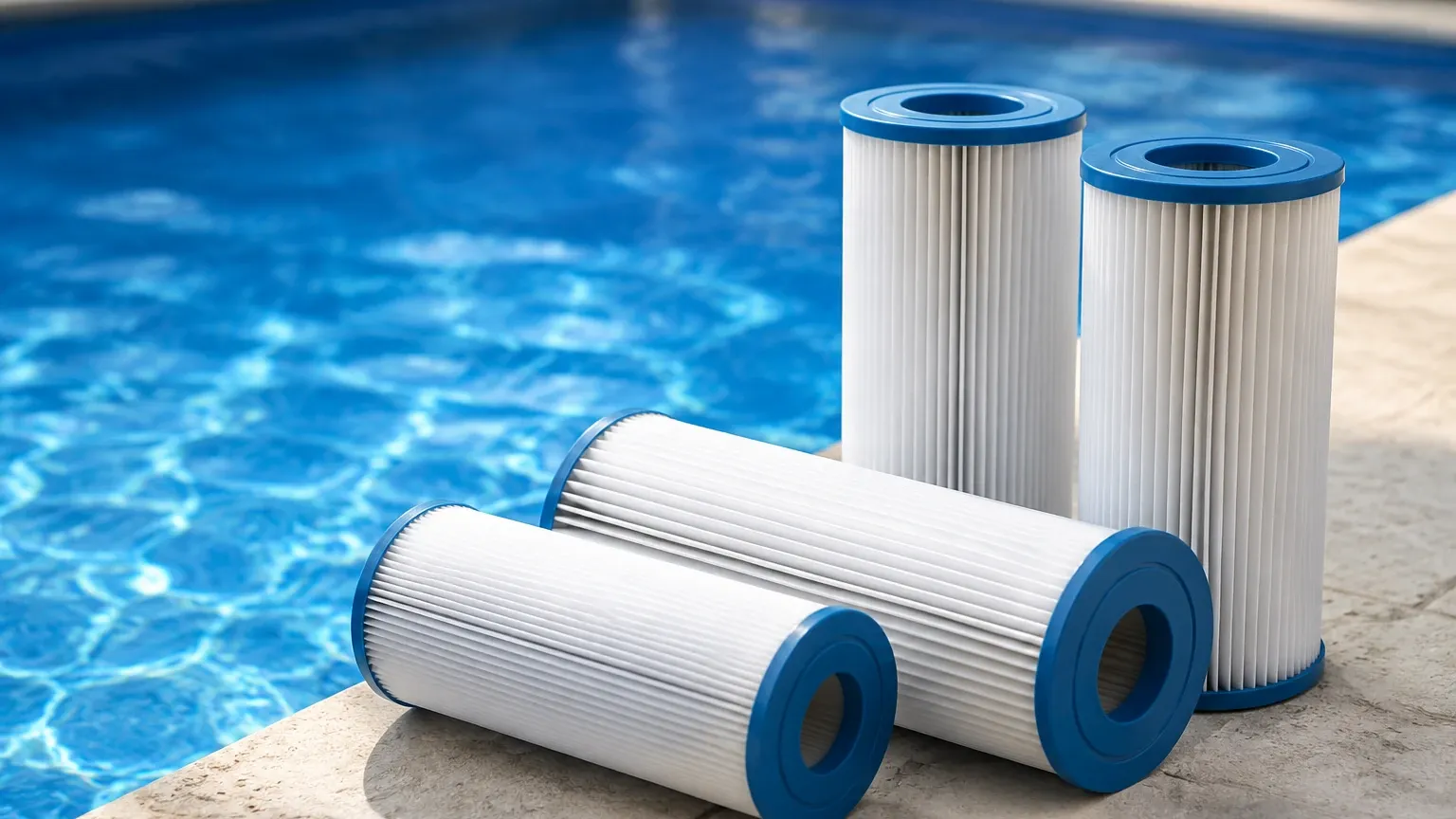
At its core, a filter cartridge is a piece of tubular filtration equipment that removes suspended solids from a liquid stream. In the context of a filter cartridges pool system, these components are housed within a pressure vessel. As water is pumped through the media, contaminants are trapped on the surface or within the depth of the filter material.
Industrial pool filtration differs from standard residential filtration primarily in scale and duty cycle. Large-scale systems must handle significantly higher flow rates and a more complex load of contaminants, including organic matter, minerals, and chemical byproducts. The efficiency of these systems is measured by their ability to maintain low turbidity levels while minimizing the pressure drop across the filter media. A high pressure drop (Delta P) indicates that the filter is reaching its loading capacity, requiring either cleaning or replacement to prevent strain on the circulation pumps.
Material Selection: Stainless Steel vs. Synthetic Media
One of the most critical decisions in specifying a filter cartridges pool solution is the choice of material. While pleated polyester or cellulose media are common in light-duty applications, industrial and demanding commercial environments often necessitate the use of stainless steel or specialized metal alloys.
Synthetic Media
Synthetic cartridges are typically favored for their low initial cost and high surface area. They are effective at capturing fine particulates but are limited by their structural integrity. In high-pressure industrial pool systems, synthetic media can compress or bypass if not properly reinforced. Furthermore, they are generally considered consumable items, leading to a recurring waste stream and ongoing procurement costs.
Stainless Steel Filter Cartridges
For applications involving high temperatures, aggressive chemical treatments (such as high-concentration ozone or chlorine), or the need for a permanent filtration solution, stainless steel is the preferred material. Stainless steel Filter Cartridges offer several distinct advantages:
* Chemical Compatibility: Stainless steel (specifically 304 or 316L grades) is highly resistant to the corrosive effects of pool chemicals and specialized cleaning agents.
* Structural Rigidity: Unlike synthetic fibers, metal mesh does not deform under pressure, ensuring consistent filtration accuracy throughout the service life.
* Cleanability: Metal cartridges can be backwashed, ultrasonically cleaned, or chemically treated to restore their original flow characteristics, making them a sustainable, long-term investment.
* Temperature Resistance: In industrial process pools or heated aquatic facilities, metal filters maintain their integrity where plastics might soften or fail.
Engineering Considerations for High-Flow Aquatic Filtration
When designing or retrofitting a filter cartridges pool system, engineers must evaluate several technical parameters to ensure the system meets the required water quality standards without compromising operational efficiency.
Micron Rating and Filtration Accuracy
The micron rating determines the size of the smallest particle the filter can reliably capture. In pool applications, a balance must be struck between clarity and flow. While a 5-micron filter provides exceptional water clarity, it will clog much faster than a 20-micron filter. Engineers must decide between "nominal" ratings (an approximate efficiency) and "absolute" ratings (a guaranteed capture rate), depending on the sensitivity of the application.
Surface Area and Flux Rate
The flux rate—the volume of water passing through a specific area of filter media over time—is a key performance indicator. By increasing the surface area through pleating or multi-layered mesh designs, manufacturers can lower the flux rate. A lower flux rate reduces the velocity of particles hitting the media, which improves capture efficiency and extends the time between cleaning cycles.
Housing Compatibility and Seal Integrity
No matter how efficient the filter media is, the system will fail if there is a bypass. The interface between the cartridge and the housing must be perfectly sealed. Common configurations include Double Open End (DOE) with flat gaskets or Single Open End (SOE) with O-ring seals (such as 222 or 226 fittings). For industrial pool systems, SOE configurations with locking tabs are often preferred to ensure the cartridge remains seated even during high-pressure surges.
Maintenance and Longevity: Optimizing the Replacement Cycle
The total cost of a filter cartridges pool system is heavily influenced by the maintenance regime. In industrial settings, downtime for filter changes can be costly. Therefore, selecting a cartridge that offers a predictable and extended service life is paramount.
Monitoring Pressure Differential
The most reliable way to manage maintenance is through the monitoring of differential pressure. As the filter accumulates debris, the pressure on the inlet side rises relative to the outlet side. Most industrial systems are designed for a filter change-out or cleaning when the Delta P reaches a specific threshold, typically between 15 and 25 PSI. Operating beyond this point can lead to "breakthrough," where contaminants are forced through the media, or structural failure of the cartridge.
Cleaning Protocols for Reusable Filters
For facilities utilizing stainless steel Filter Cartridges, the cleaning protocol is a vital part of the operations manual. Depending on the nature of the contaminants, cleaning may involve:
* High-Pressure Rinsing: To remove surface-level debris and organic matter.
* Chemical Soaking: To dissolve mineral scale or oils that have embedded in the mesh.
* Ultrasonic Cleaning: Using high-frequency sound waves in a liquid bath to dislodge microscopic particles from deep within the wire mesh pores.
Properly maintained metal cartridges can last for several years, significantly reducing the environmental impact and logistical burden of frequent filter replacements.
Customization Options for Specialized Water Treatment Pools
Many industrial and commercial pool applications do not fit standard specifications. Custom-engineered filtration solutions are often required to address unique flow rates, footprint constraints, or specific contaminant profiles.
OEM (Original Equipment Manufacturer) capabilities allow for the development of bespoke filter cartridges pool components. Customization options include:
* Variable Lengths and Diameters: To fit existing non-standard filter housings.
* Specific Alloy Selection: Using Monel, Inconel, or Hastelloy for extremely corrosive environments where standard stainless steel may not suffice.
* Reinforced Cores: For high-viscosity fluids or systems prone to extreme pressure spikes.
* Multi-Stage Filtration: Combining different mesh sizes within a single cartridge to provide both pre-filtration and fine polishing in one pass.
By working closely with a manufacturer that understands the nuances of metal fabrication and filtration science, engineers can develop solutions that are precisely tailored to their specific operational needs.
Total Cost of Ownership (TCO) in Industrial Filtration
When evaluating filter cartridges pool options, procurement teams should look beyond the initial purchase price and consider the Total Cost of Ownership (TCO). The TCO includes the purchase price, shipping, installation labor, energy costs related to pump head loss, chemical consumption, and disposal costs.
While synthetic cartridges have a lower entry price, the cumulative cost of frequent replacements, labor, and waste disposal can quickly exceed the investment required for a high-quality stainless steel system. Furthermore, the increased durability of metal components reduces the risk of catastrophic system failure, which can result in expensive emergency repairs and facility downtime.
In high-capacity aquatic environments, the energy savings associated with maintaining a lower, more consistent pressure drop can also be substantial. A well-engineered filtration system allows pumps to operate at their most efficient point, directly impacting the facility's bottom line.
Conclusion
Selecting the appropriate filter cartridges pool solution requires a deep understanding of the application's technical requirements and the environmental conditions it will face. From the precision of the micron rating to the structural integrity of the material, every detail contributes to the overall efficiency and reliability of the water treatment system.
For industrial and commercial applications where performance and durability are non-negotiable, stainless steel Filter Cartridges provide a robust, sustainable, and cost-effective alternative to traditional disposable media. By focusing on engineering excellence and long-term value, facility managers can ensure their pool and basin systems remain clean, safe, and operational for years to come.
When planning your next filtration project, it is essential to consult with technical experts who can provide guidance on material compatibility, flow optimization, and custom design. This proactive approach ensures that the filtration system is not just a secondary component, but a high-performing asset that supports the entire facility's goals.
