


Replacement Filter Ridgid Shop Vac
In industrial and workshop environments, the efficiency of a vacuum system is fundamentally dictated by the quality of its filtration component. While the search for a replacement filter ridgid shop vac often begins with the need for basic maintenance, engineers and facility managers must look beyond simple compatibility to understand the technical specifications that drive performance, air quality, and equipment longevity. Choosing the right filtration media is not merely a matter of fitting a canister; it is an engineering decision that impacts the total cost of ownership and the safety of the workspace.
Industrial vacuum systems, including heavy-duty shop vacuums, rely on a delicate balance of airflow (CFM) and static lift. When a filter becomes clogged or if an inferior material is used, the motor must work harder to pull air through the resistance, leading to overheating and premature mechanical failure. This article examines the technical nuances of Filter Cartridges and how selecting high-performance replacements can optimize industrial cleaning and material recovery processes.
The Role of High-Performance Filter Cartridges in Industrial Vacuum Systems
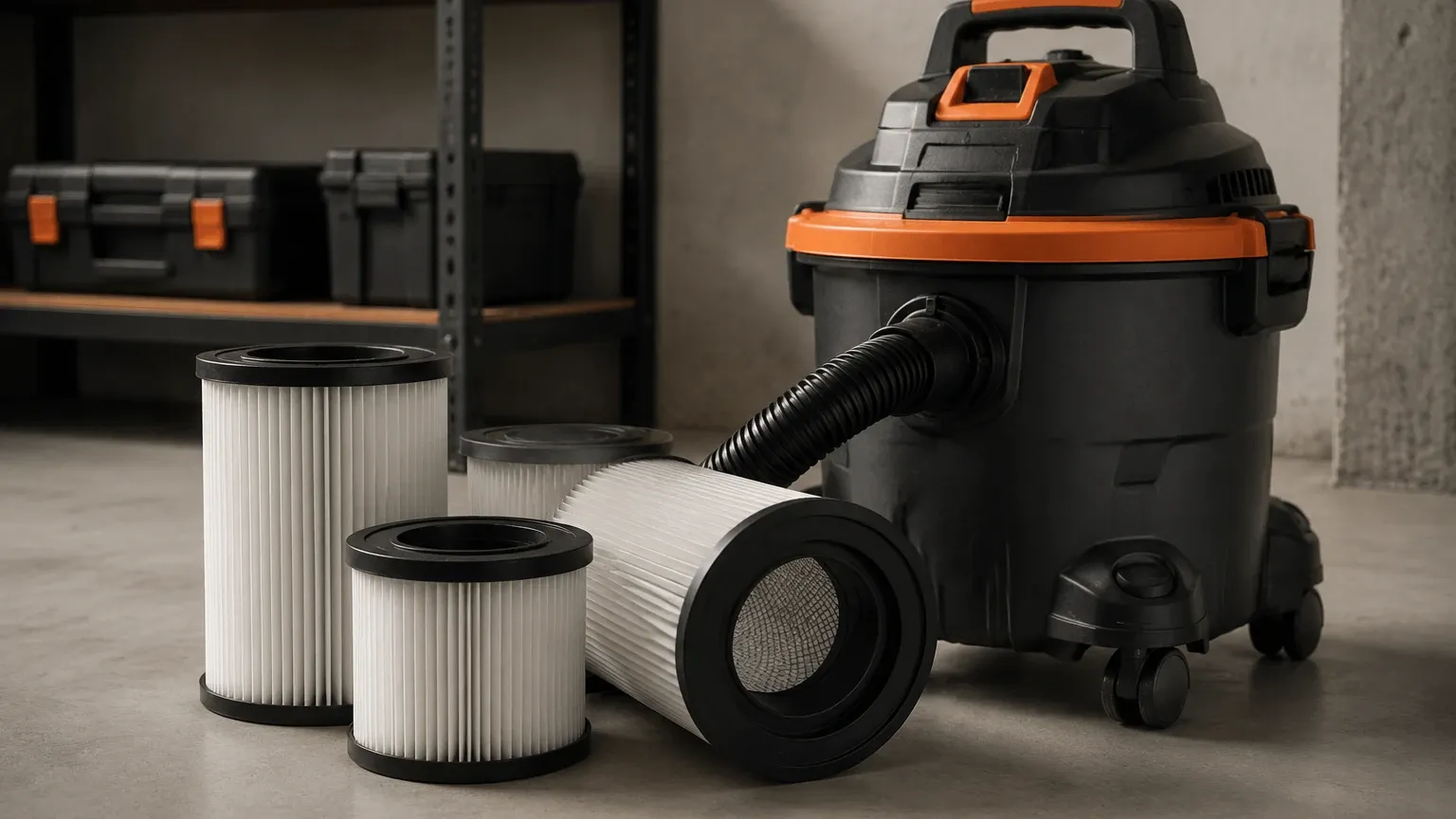
Filter cartridges serve as the primary barrier between the collected debris and the vacuum motor. In an industrial context, these components are designed to capture a wide range of particulates, from coarse sawdust to microscopic silica dust. The effectiveness of a replacement filter ridgid shop vac is measured by its ability to maintain high airflow while capturing particles at a specific micron rating.
Most standard vacuum filters utilize a pleated design. Pleating is a critical engineering feature because it exponentially increases the surface area of the filter media within a compact cylindrical volume. A larger surface area allows for a lower "air-to-cloth" ratio, which reduces the velocity of the air passing through the media. Lower velocity ensures that fine particles are trapped by the fibers rather than being forced through the pores by sheer air pressure. For industrial users, this translates to longer run times between cleaning cycles and better protection for the vacuum’s internal components.
Key Specifications for a Replacement Filter Ridgid Shop Vac
When evaluating a replacement filter ridgid shop vac, technical professionals should prioritize several key performance indicators. These specifications determine whether a filter is suitable for general debris or specialized hazardous material remediation.
1. Micron Rating and Filtration Class
Filtration efficiency is typically categorized into three levels: standard, fine dust, and HEPA (High-Efficiency Particulate Air).
- Standard Filters: Generally capture particles down to 5 microns. These are suitable for wood chips, gravel, and general shop debris.
- Fine Dust Filters: Often rated for particles as small as 0.5 to 1 micron. These are essential when working with drywall dust, cement dust, or cold ashes.
- HEPA Filters: The gold standard for safety, rated to capture 99.97% of particles as small as 0.3 microns. These are mandatory in environments involving lead paint, asbestos, or allergens.
2. Media Material
The material composition of the filter determines its durability and its reaction to moisture. Common materials include cellulose (paper), polyester, and specialized membranes like PTFE (Polytetrafluoroethylene). While cellulose is cost-effective for dry applications, it fails quickly in the presence of moisture. Polyester and synthetic blends offer better mechanical strength and can often be washed and reused, providing a better long-term ROI for industrial facilities.
Material Selection: Moving Beyond Standard Paper Filters
For many industrial applications, the standard paper filters supplied with consumer-grade equipment are insufficient. In environments where the vacuum is exposed to chemicals, high temperatures, or abrasive particulates, specialized Filter Cartridges made from stainless steel or advanced synthetics are required.
Stainless Steel Mesh and Sintered Media
In heavy-duty industrial filtration, stainless steel wire mesh is often utilized for its exceptional durability and resistance to corrosion. While a standard replacement filter ridgid shop vac might use a polymer-based media, custom-engineered metal filters can be designed for specific industrial vacuums used in chemical processing or metalworking. Stainless steel filters are permanent, cleanable, and capable of withstanding extreme pressure differentials that would collapse a standard paper filter.
PTFE Coating and Surface Filtration
Advanced replacement filters often feature a PTFE membrane. This coating facilitates "surface filtration," where dust stays on the exterior of the pleats rather than becoming embedded deep within the fibers (depth filtration). This leads to much easier dust release during cleaning—often referred to as "cake release"—and prevents the "blinding" of the filter, which is the primary cause of suction loss in industrial vacuums.
Evaluating Filtration Efficiency and Micron Ratings
Understanding the physics of particulate capture is essential for selecting the correct replacement filter ridgid shop vac. Filters do not act like simple sieves; they employ several physical mechanisms to trap particles:
1. Inertial Impaction: Larger, heavier particles travel in a straight line and strike the filter fibers directly because they cannot follow the erratic path of the airflow around the fiber.
2. Interception: Medium-sized particles follow the airstream but come close enough to a fiber to be captured by its surface.
3. Diffusion: Very small particles (sub-micron) move in a random Brownian motion, increasing the likelihood that they will eventually bump into and stick to a fiber.
For an industrial engineer, selecting a filter with a verified micron rating ensures that the vacuum does not become a source of secondary pollution. If the filter media is too coarse, fine dust is simply exhausted back into the ambient air, creating respiratory hazards and coating sensitive machinery in a layer of grit.
Maintenance and Lifecycle Management of Industrial Filters
The total cost of ownership for a vacuum system is heavily influenced by the replacement cycle of its filters. A low-quality replacement filter ridgid shop vac may have a lower initial purchase price but can lead to higher costs due to frequent replacements and potential motor damage.
Cleaning Protocols
Proper maintenance can extend the life of a filter significantly. For dry-only filters, a gentle tap or a low-pressure compressed air blow-off (from the inside out) is usually sufficient. However, for filters used in wet/dry applications, it is vital to ensure the media is completely dry before re-installation. Moisture trapped in a filter can lead to mold growth and a complete blockage of airflow once dust hits the damp surface.
Signs of Failure
Engineers should monitor for the following signs that a filter cartridge needs replacement:
- Reduced Suction: Even after cleaning, the vacuum fails to reach its rated CFM.
- Visible Dust Leakage: Dust appearing around the exhaust port indicates a tear in the media or a failure of the gasket seal.
- Odor Retention: In food or pharmaceutical applications, filters can trap organic matter that leads to microbial growth.
- Physical Deformation: Pleats that are collapsed or a distorted end-cap indicate that the filter has been subjected to pressure beyond its design limits.
Custom Engineering Solutions for Demanding Filtration Environments
In many B2B scenarios, off-the-shelf solutions do not meet the rigorous demands of specialized production lines. When a standard replacement filter ridgid shop vac cannot handle the temperature, chemical acidity, or extreme fineness of the waste material, custom-manufactured Filter Cartridges become necessary.
Customization allows for the selection of specific alloys (such as 304 or 316L stainless steel) and precise mesh counts to achieve exact filtration goals. For instance, in hydraulic or high-pressure pneumatic systems integrated with vacuum recovery, the structural integrity of the filter core is paramount. A custom-designed filter can include reinforced inner cores and outer cages to prevent bypass or structural collapse under high vacuum loads.
Furthermore, OEM (Original Equipment Manufacturer) services allow businesses to develop proprietary filtration solutions that fit existing housing dimensions while providing superior material performance. This is particularly relevant for companies looking to upgrade the capabilities of their existing fleet of shop vacuums without replacing the entire power unit.
Conclusion: Optimizing Procurement for Industrial Filtration
Selecting a replacement filter ridgid shop vac is a task that requires a technical understanding of the environment in which the equipment operates. By prioritizing high-quality Filter Cartridges that offer the appropriate micron rating, material durability, and surface area, organizations can ensure the safety of their personnel and the longevity of their machinery.
Whether the application involves general facility maintenance or specialized industrial processing, the filter remains the most critical component of the vacuum system. Moving toward more robust, perhaps even custom-engineered metal filtration solutions, can provide a significant advantage in terms of durability and filtration precision. For technical teams, the focus should always remain on the balance between effective particulate capture and the maintenance of optimal airflow to ensure the vacuum system performs at its peak engineered capacity.
