


Water Filter Cartridges Brita
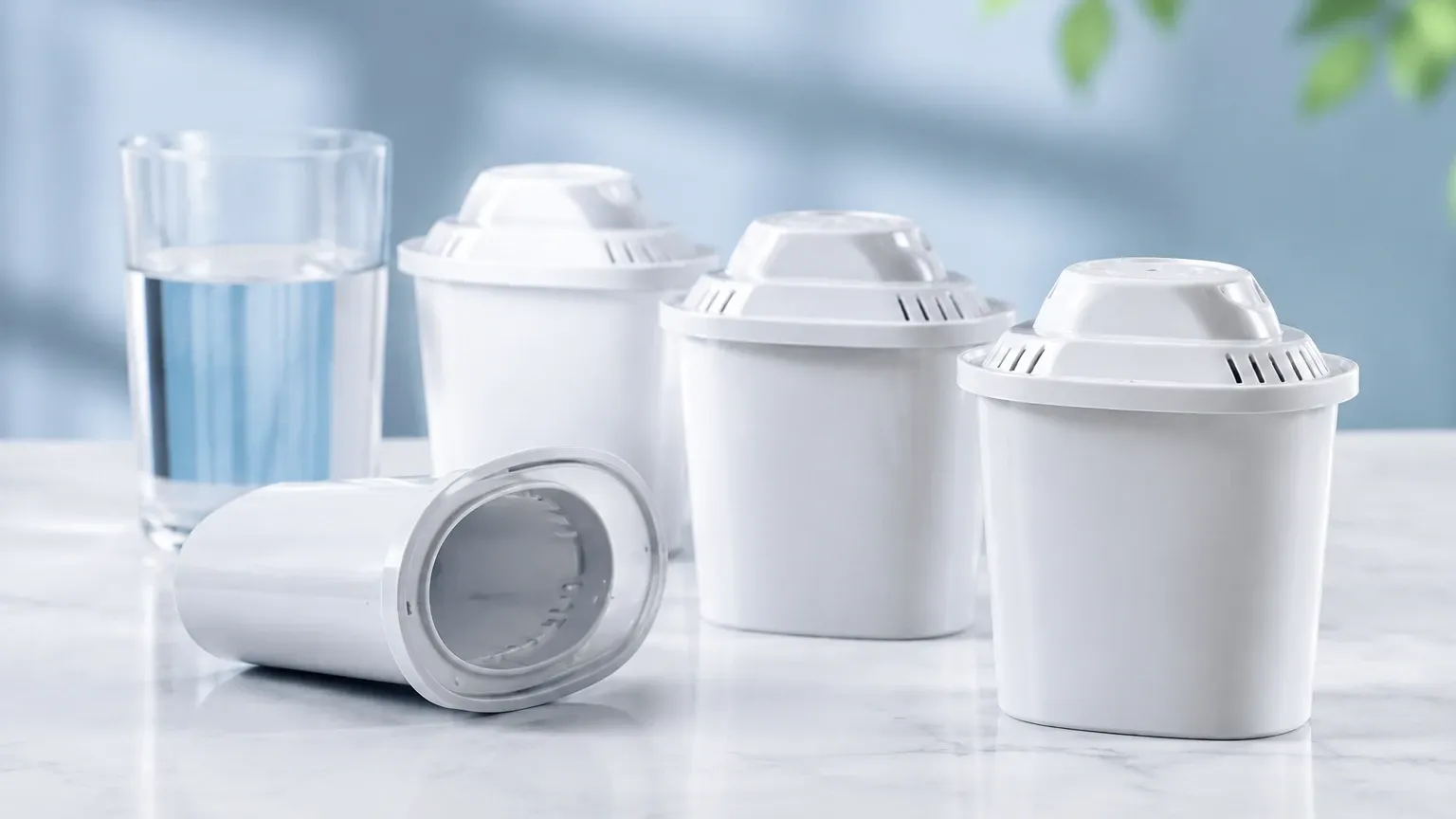
In the realm of water purification, the name Brita is often the first point of reference for consumers. For many, searching for water filter cartridges brita represents a standard for domestic water quality improvement. However, in industrial and commercial B2B environments, the requirements for filtration far exceed the capabilities of consumer-grade equipment. While domestic filters are designed for low-pressure, low-volume applications to improve taste and remove basic impurities, industrial Filter Cartridges must withstand extreme temperatures, high pressures, and aggressive chemical environments.
For engineers and procurement specialists, understanding the technical gap between consumer point-of-use solutions and industrial-grade filtration is essential. This guide explores the engineering principles, material science, and performance metrics that define professional filtration systems, providing the technical context necessary for selecting the right components for demanding industrial applications.
Engineering Differences: Consumer vs. Industrial Filtration
The fundamental difference between consumer products like water filter cartridges brita and industrial filtration components lies in their structural integrity and intended duty cycle. Consumer filters typically utilize plastic housings and carbon-based media designed for gravity-fed or low-pressure tap systems. These are effective for reducing chlorine and certain heavy metals in a household setting but lack the robustness required for a manufacturing plant or chemical processing facility.
Industrial filtration systems prioritize durability and high throughput. Stainless steel filter cartridges, such as those manufactured by Kaifil, are engineered to operate under significant differential pressures. Unlike plastic-housed consumer units, stainless steel components can handle the mechanical stresses of high-flow hydraulic systems and the thermal shocks found in steam filtration or hot liquid processing. When evaluating filtration needs, engineers must look beyond basic contaminant removal and consider the structural limits of the filter media and its housing.
Material Selection for Industrial Environments
Material compatibility is a critical factor that separates professional filtration from domestic solutions. While a standard consumer water filter may use activated carbon and ion-exchange resins, industrial applications often require inert, high-strength materials like 304 or 316L stainless steel.
Stainless Steel vs. Polymer Media
In industrial settings, the fluid being filtered is often not just water. It could be a caustic cleaning solution, a high-temperature oil, or a volatile solvent. Stainless steel Filter Cartridges offer several advantages over polymer-based or consumer-grade materials:
* Chemical Resistance: 316L stainless steel provides superior resistance to corrosion, making it suitable for pharmaceutical and chemical processing where plastic or carbon media would degrade.
* Temperature Stability: Industrial filters can operate at temperatures exceeding 250°C, whereas consumer plastic filters would warp or leach chemicals into the filtrate.
* Mechanical Strength: Sintered metal or pleated wire mesh cartridges can withstand high pressure drops without collapsing, ensuring consistent filtration performance even as the filter cake builds up.
Filtration Accuracy and Micron Ratings
When consumers look for water filter cartridges brita, they are generally focused on "cleaner" water without specific technical requirements for particle size. In contrast, industrial filtration is defined by precise micron ratings and filtration efficiency.
Nominal vs. Absolute Filtration
Industrial engineers must distinguish between nominal and absolute micron ratings. A nominal rating refers to a filter's ability to retain the majority of particles of a certain size, while an absolute rating indicates that 99.9% (or higher) of particles above a specific size will be captured.
For example, in the food and beverage industry, a 5-micron absolute filter might be required to ensure the removal of specific microorganisms or sediments. Achieving this level of precision requires advanced manufacturing techniques, such as vacuum sintering or precision wire weaving, which are standard in the production of high-quality industrial Filter Cartridges.
Total Cost of Ownership and Sustainability
A significant consideration for B2B buyers is the total cost of ownership (TCO). While consumer filters are designed as disposables—requiring frequent replacement and generating significant plastic waste—industrial stainless steel filters are often designed for longevity and reusability.
Cleanability and Maintenance
One of the primary benefits of stainless steel filtration media is that it can be cleaned and returned to service. Techniques such as ultrasonic cleaning, backwashing, or chemical CIP (Clean-in-Place) processes allow industrial cartridges to be used for years. This significantly reduces the long-term cost per gallon filtered and aligns with corporate sustainability goals by minimizing the waste associated with disposable plastic cartridges. For a facility processing thousands of gallons per hour, the shift from disposable to cleanable media represents a major operational saving.
Customization and OEM Solutions
Unlike the standardized sizes found in the consumer market, industrial applications often require bespoke filtration solutions. A standard water filter cartridges brita model is designed to fit a specific pitcher or faucet attachment. In contrast, an industrial filter must integrate seamlessly into complex machinery, often requiring custom end-cap configurations, specific lengths, and specialized gaskets (such as Viton, EPDM, or PTFE).
Manufacturers like Kaifil specialize in providing OEM and customized filtration components. This includes:
* Custom End Fittings: DOE (Double Open End), SOE (Single Open End) with various O-ring configurations like 222 or 226.
* Variable Pleat Geometry: Optimizing the surface area for specific flow rates and dirt-holding capacities.
* Reinforced Cores: Adding internal support to prevent collapse in high-viscosity or high-pressure applications.
Application-Specific Considerations
The choice of filtration technology depends heavily on the specific industry. While water is a common fluid, the context of its use changes the engineering requirements.
Food and Beverage Industry
In this sector, filters must meet strict FDA compliance standards. Stainless steel is the preferred material because it is non-leaching and can be easily sterilized. Whether it is filtering water for beverage production or clarifying syrups, the reliability of the Filter Cartridges is paramount to maintaining product safety and consistency.
Chemical and Petrochemical Processing
These environments involve aggressive fluids that would destroy standard consumer-grade materials. Sintered metal fiber or multi-layer wire mesh filters are used here to provide high porosity and excellent mechanical strength. These filters must handle not only the chemical load but also the potential for high-velocity flow that can cause erosion in lesser materials.
Hydraulic and Lubrication Systems
In hydraulic systems, the goal is to protect sensitive components like valves and pumps from particulate wear. These systems operate under immense pressure, requiring filters with high structural integrity that can maintain their shape and filtration efficiency under pulsing flow conditions.
Key Factors to Confirm Before Purchasing
Before transitioning from a basic filtration setup to a professional industrial system, engineers should confirm several key technical parameters to ensure the chosen solution is fit for purpose:
1. Fluid Characteristics: What is the viscosity, temperature, and chemical composition of the fluid?
2. Flow Rate Requirements: What is the maximum and average flow rate the filter must accommodate without excessive pressure drop?
3. Contaminant Profile: What is the nature of the solids being removed? Are they hard, abrasive particles or soft, deformable contaminants?
4. Operating Pressure: What is the maximum system pressure, and what is the allowable differential pressure (Delta P) before cleaning is required?
5. Regulatory Compliance: Does the application require specific certifications, such as FDA, 3-A Sanitary Standards, or ISO quality management?
Conclusion
While the market for water filter cartridges brita serves a vital role in domestic health and convenience, industrial filtration is a specialized field of engineering that demands a more robust approach. By focusing on material science, precision manufacturing, and application-specific design, industrial Filter Cartridges provide the reliability and performance necessary for modern manufacturing. For businesses looking to optimize their filtration processes, moving toward high-quality, stainless steel solutions offers a path to greater efficiency, lower long-term costs, and superior product quality. Selecting a manufacturer with deep technical expertise and customization capabilities is the most effective way to ensure that your filtration system meets the rigorous demands of your specific industrial environment.
