


Oil Filtration Equipment
In industrial environments, the longevity and reliability of machinery are inextricably linked to the cleanliness of the fluids that power and lubricate them. Oil filtration equipment serves as the primary defense against internal and external contaminants that can lead to catastrophic component failure, unplanned downtime, and significant financial losses. For engineers and procurement teams, selecting the right filtration solution requires a deep understanding of fluid dynamics, material science, and the specific operational demands of the application.
Contamination in industrial oils—whether hydraulic fluid, lubricating oil, or fuel—is often invisible to the naked eye. However, even microscopic particles can cause abrasive wear, surface fatigue, and chemical degradation. To maintain system integrity, oil filtration equipment must be engineered to remove these contaminants efficiently while withstanding the high pressures, temperatures, and corrosive environments typical of industrial processing.
The Critical Role of Oil Filtration in Industrial Systems
Industrial oil systems are designed to operate within specific cleanliness levels, often defined by international standards such as ISO 4406. This standard categorizes the number of particles of various sizes (typically 4µm, 6µm, and 14µm) per milliliter of fluid. When oil filtration equipment fails to maintain these levels, the consequences are immediate and cumulative.
Particulate contamination is the most common cause of component wear. Hard particles, such as silica or metal shavings, act as abrasives between moving parts, leading to "chain reactions of wear" where the wear debris itself generates more particles. Beyond particulates, water contamination and chemical oxidation also pose risks. Effective filtration systems must often address multiple types of contamination simultaneously to ensure the fluid's chemical stability and lubricating properties remain intact.
For specialized applications, such as those found in the chemical or food and beverage industries, the filtration equipment must also comply with strict material safety and hygiene standards. This is where the choice of filter media and housing materials becomes a critical engineering decision.
Key Components of Industrial Oil Filtration Equipment
While the specific design of oil filtration equipment varies depending on the application, most systems comprise several core components that work in tandem to achieve the desired fluid cleanliness.
Filter Housings and Vessels
The housing is the pressure vessel that contains the filter element. In industrial settings, these are typically constructed from carbon steel or stainless steel. Stainless steel housings are preferred in environments where corrosion resistance is paramount or where the oil itself may be chemically aggressive. The housing must be designed to handle the system's maximum operating pressure, including potential pressure spikes or surges.
Filter Elements and Media
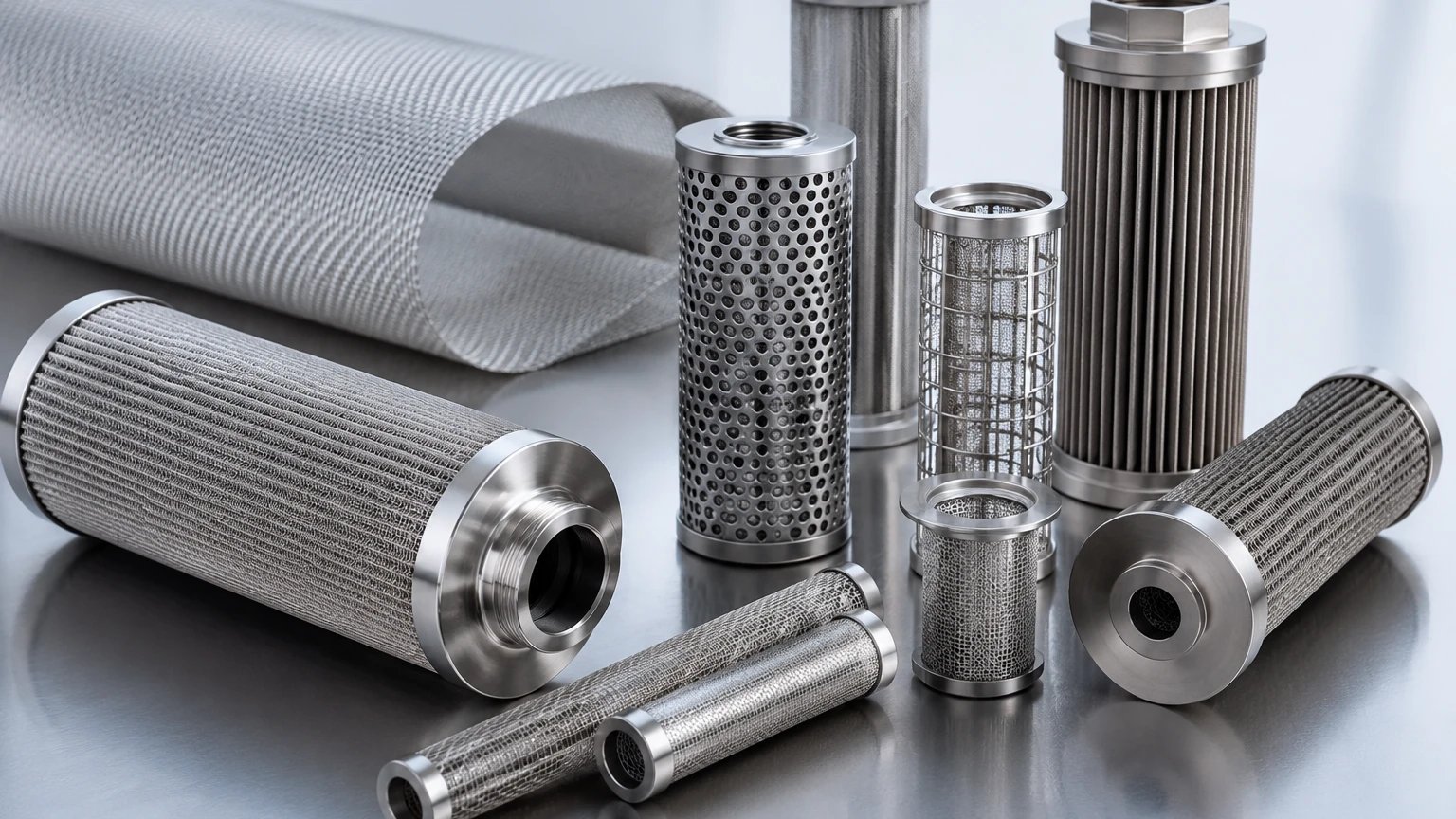
The filter element is the heart of the equipment. It is the component responsible for the actual separation of contaminants from the oil. While disposable cellulose or synthetic fiber elements are common in some industries, many high-demand industrial applications utilize stainless steel wire mesh or sintered metal fiber media. These materials offer superior mechanical strength, high-temperature resistance, and the ability to be cleaned and reused, which can significantly lower the total cost of ownership.
Bypass Valves and Monitoring Instrumentation
To protect the system during cold starts (when oil viscosity is high) or when a filter becomes clogged, many filtration units include a bypass valve. Additionally, differential pressure gauges or electronic sensors are essential for monitoring the health of the filter. These instruments provide the data necessary for predictive maintenance, allowing operators to replace or clean elements before they reach a critical state of restriction.
Engineering Considerations for Filter Media Selection
Selecting the appropriate media for oil filtration equipment is not a one-size-fits-all process. Engineers must balance several competing factors to optimize performance.
Micron Rating: Absolute vs. Nominal
The micron rating indicates the size of particles the filter can capture. However, there is a significant difference between nominal and absolute ratings. A nominal rating is an industry-weighted average, whereas an absolute rating represents the diameter of the largest hard spherical particle that will pass through the filter under specified test conditions. For critical hydraulic or high-precision lubrication systems, absolute-rated stainless steel mesh filters are often required to ensure consistent protection.
Material Compatibility and Durability
In chemical processing or high-temperature applications, standard filter materials may degrade. Stainless steel (such as 304 or 316L) is the standard for these environments due to its excellent chemical compatibility and thermal stability. Unlike synthetic media, stainless steel elements do not shed fibers into the fluid stream, a phenomenon known as media migration, which is critical in pharmaceutical and food-grade oil applications.
Flow Rate and Viscosity
Oil viscosity changes with temperature. At lower temperatures, oil is thicker and harder to push through a filter, resulting in a higher pressure drop (ΔP). Oil filtration equipment must be sized based on the maximum expected viscosity and the required flow rate to ensure that the clean pressure drop does not trigger the bypass valve prematurely.
Evaluating Performance: Filtration Efficiency and Pressure Drop
The performance of oil filtration equipment is typically evaluated using the Beta Ratio (β), which is determined through multi-pass testing. The Beta Ratio is the ratio of the number of particles of a given size upstream of the filter to the number of particles of the same size downstream. For example, a β10 = 200 means that for every 200 particles of 10 microns entering the filter, only one passes through, representing 99.5% efficiency.
However, efficiency must be weighed against the pressure drop. A filter with extremely high efficiency may have a high initial pressure drop, which reduces the service life of the element and consumes more energy. Engineering a balanced system involves selecting a media structure—such as pleated wire mesh—that maximizes surface area. By increasing the surface area, the flux (flow per unit area) is reduced, which lowers the pressure drop and increases the dirt-holding capacity of the equipment.
In high-pressure systems, the structural integrity of the filter element is also vital. The media must be supported by internal cores or external cages to prevent collapse or bursting under high differential pressure. For professionals seeking more detailed technical specifications on filter construction, you can Review product options and application support on our Main Page.
Maintenance Strategies and Replacement Cycles
Proper maintenance of oil filtration equipment is essential for maintaining system reliability. There are three primary strategies for managing filter replacement:
1. Scheduled Maintenance: Filters are replaced at fixed time intervals (e.g., every six months). While simple, this often leads to replacing filters that still have useful life or, conversely, allowing a clogged filter to remain in service too long.
2. Condition-Based Maintenance: Filters are replaced based on differential pressure readings. This is the most common industrial practice, as it ensures the filter is used to its maximum capacity without risking bypass or element failure.
3. Proactive Maintenance: This involves regular oil analysis to monitor contaminant levels and the chemical state of the oil. By identifying the source of contamination, engineers can often extend the life of the filtration equipment and the oil itself.
For systems using cleanable stainless steel elements, the maintenance cycle includes a cleaning process, such as ultrasonic cleaning or backflushing. This reusability is a major advantage for high-volume industrial processes where the cost of disposable elements would be prohibitive.
Customization and Material Compatibility
Standard off-the-shelf oil filtration equipment may not meet the requirements of specialized industrial processes. Customization is often necessary to address unique challenges such as limited installation space, extreme temperatures, or highly corrosive fluids.
Customized filtration solutions allow for the selection of specific grades of stainless steel and tailored mesh weaves to achieve precise filtration goals. For example, in the pharmaceutical industry, filters may require electro-polishing to ensure a smooth, non-contaminating surface. In the hydraulic industry, custom-shaped filter cartridges may be required to fit into compact manifold blocks.
When specifying custom oil filtration equipment, engineers should confirm the following:
* Fluid Chemistry: Are there additives or base oils that could react with certain seal materials or metals?
* Operating Pressure: What are the steady-state and peak pressures?
* Environmental Factors: Will the equipment be exposed to salt spray, extreme outdoor temperatures, or wash-down chemicals?
Optimizing Total Cost of Ownership in Oil Filtration
While the initial purchase price of oil filtration equipment is an important consideration, the Total Cost of Ownership (TCO) provides a more accurate picture of the investment. TCO includes the initial cost, the cost of replacement elements over the equipment's life, energy costs associated with pressure drop, and the labor costs for maintenance.
Stainless steel filtration solutions often have a higher initial cost than disposable alternatives. However, their durability and cleanability frequently result in a lower TCO over the long term. By reducing the frequency of filter purchases and disposal costs, and by providing superior protection that extends the life of expensive machinery components, high-quality filtration equipment pays for itself.
Furthermore, efficient filtration reduces the frequency of oil changes. Since industrial oil disposal and replacement are significant expenses, extending the oil's service life has a direct impact on the bottom line. Investing in robust filtration is not just a maintenance requirement; it is a strategic decision to improve operational efficiency.
Conclusion
Selecting and implementing effective oil filtration equipment is a foundational requirement for modern industrial operations. By understanding the technical nuances of micron ratings, material compatibility, and pressure dynamics, engineers can specify systems that provide reliable protection for their most critical assets. Whether dealing with hydraulic systems, chemical processing, or industrial lubrication, the goal remains the same: maintaining fluid purity to ensure peak performance.
For those involved in the design or procurement of industrial filtration systems, working with an experienced manufacturer can simplify the selection process. To explore specific components and engineering support for your next project, visit the Main Page for a comprehensive overview of available solutions.
