


Water Filter Bags
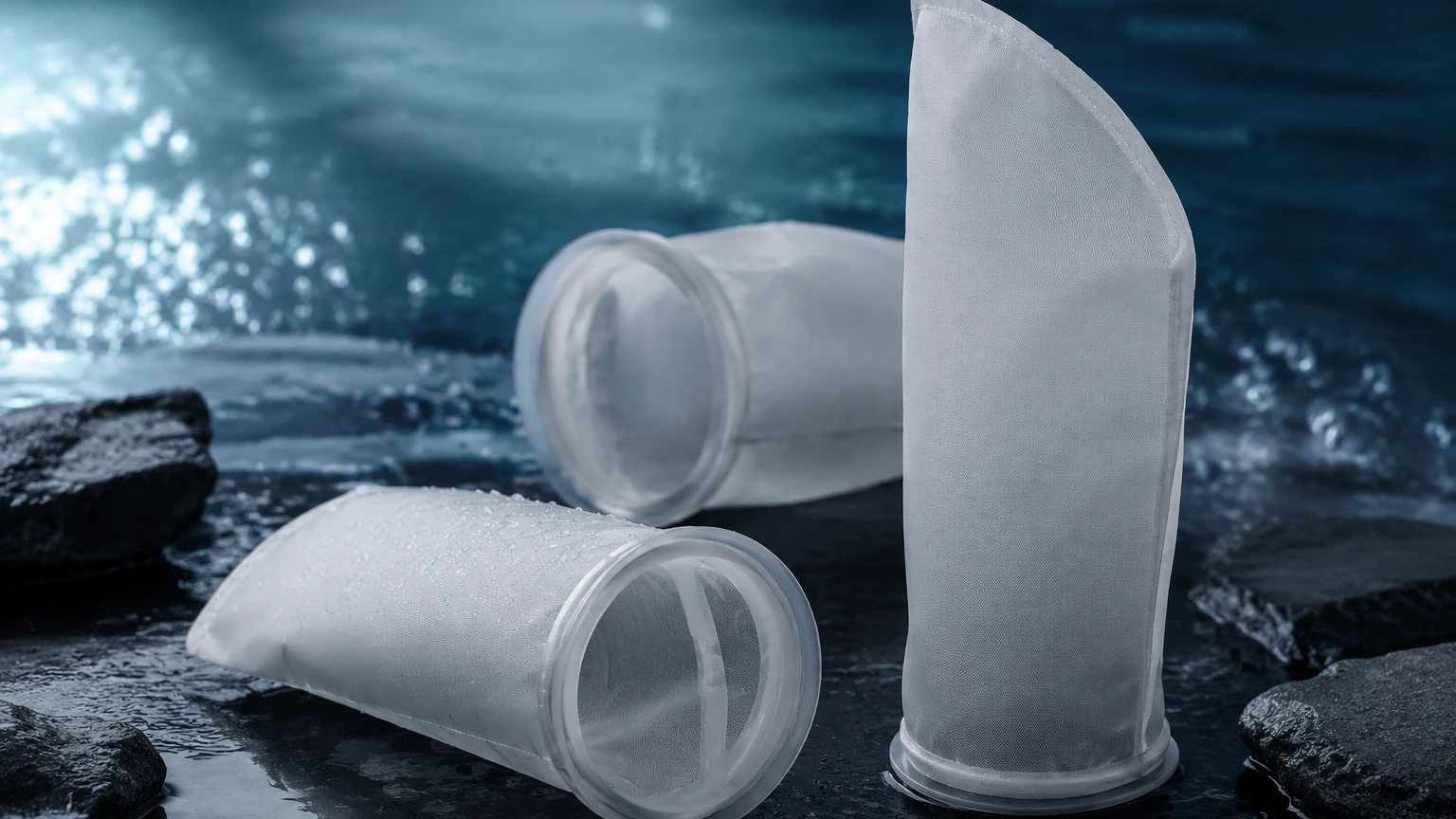
In industrial liquid processing, the selection of filtration media is a critical decision that impacts operational efficiency, product purity, and total cost of ownership. Water filter bags represent one of the most versatile and cost-effective methods for removing suspended solids from liquid streams. Unlike cartridge filtration, which is often reserved for lower contaminant loads or fine polishing, bag filtration is designed to handle high flow rates and significant dirt-holding requirements across sectors such as chemical processing, food and beverage production, and industrial water treatment.
Understanding the technical nuances of water filter bags—ranging from material compatibility to micron efficiency—is essential for engineers and procurement teams tasked with optimizing filtration systems. This guide examines the engineering considerations, selection criteria, and performance expectations necessary to integrate bag filtration effectively into industrial workflows.
Fundamentals of Industrial Bag Filtration
Bag filtration operates on a pressure-driven principle where the process liquid is forced from the inside of the filter bag to the outside. The contaminants are trapped within the bag, which simplifies the cleaning and disposal process, as the debris is contained within the media rather than settling in the filter housing.
There are two primary mechanisms at work in water filter bags: surface filtration and depth filtration.
1. Surface Filtration: Typically achieved using monofilament mesh materials, such as nylon or stainless steel. The mesh acts as a sieve, capturing particles larger than the pore size on the surface of the media. This is ideal for precise straining and applications where the particle size distribution is relatively uniform.
2. Depth Filtration: Utilizes felted materials (needlefelt) like polypropylene or polyester. The liquid travels through a tortuous path of randomly oriented fibers. Particles are trapped throughout the thickness of the material. This method offers a higher dirt-holding capacity for varying particle sizes but often operates with a nominal rather than absolute micron rating.
Material Engineering: Selecting the Right Media
The chemical and thermal environment of the application dictates the material selection for water filter bags. Choosing an incompatible material can lead to fiber migration, bag rupture, or chemical leaching into the filtrate.
Synthetic Fibers
* Polypropylene (PP): The most common choice for aqueous applications due to its excellent chemical resistance to acids and alkalis. However, its temperature threshold is relatively low, typically limited to 90°C (194°F).
* Polyester (PE): Offers higher temperature resistance (up to 150°C/300°F) and good resistance to most oxidizing agents and solvents, though it is susceptible to hydrolysis in high-temperature steam or strong alkaline environments.
* Nylon (NMO): Often used in monofilament mesh form, nylon provides high strength and resistance to many solvents and hydrocarbons, though it is less suitable for strong acids.
Stainless Steel Mesh
For demanding industrial environments, stainless steel mesh filter bags or inserts provide superior durability. As a specialist in precision metal filtration, Kaifil provides stainless steel components that withstand extreme temperatures and aggressive chemical cleaning cycles that would degrade synthetic fibers. These are often utilized in high-viscosity applications or where the filter media must be cleaned and reused multiple times to reduce waste. For more information on specialized metal filtration components, you can visit the Main Page.
Performance Metrics: Micron Ratings and Flow Dynamics
Engineers must distinguish between nominal and absolute micron ratings when specifying water filter bags. A nominal rating indicates that the bag will trap a high percentage (typically 60% to 80%) of particles at the specified size. An absolute rating implies a much higher efficiency, often 98% or greater.
Flow Rate and Differential Pressure
The flow rate through a filter bag is influenced by the viscosity of the fluid, the surface area of the bag, and the pore size of the media. A common mistake in system design is sizing the filter based on the maximum flow rate of the pump without accounting for the "clean pressure drop" ($ΔP$).
As the bag accumulates solids, the differential pressure increases. Industrial standards suggest that water filter bags should be replaced when the differential pressure reaches 1.0 to 1.5 bar (15-22 psi). Operating beyond this point risks "blow-through," where particles are forced through the media, or mechanical failure of the bag seams.
The Role of Stainless Steel in Bag Filtration Systems
While synthetic bags are consumable, the integration of stainless steel elements within a bag housing can significantly enhance system reliability. Stainless steel support baskets (strainers) are mandatory to prevent the bag from bursting under pressure.
In applications requiring high-precision filtration in harsh environments—such as hydraulic oil filtration or high-temperature chemical processing—stainless steel wire mesh filters offer distinct advantages:
* Thermal Stability: Operates effectively in temperatures exceeding 250°C.
* Rigidity: Maintains pore geometry under high-pressure fluctuations where synthetic fibers might stretch.
* Cleanability: Can be backwashed or ultrasonically cleaned, providing a longer service life compared to disposable felt bags.
Kaifil specializes in manufacturing these high-performance metal components, ensuring that the interface between the filter media and the housing is precise and leak-proof.
Identifying and Mitigating Filtration Risks
Implementing water filter bags involves managing several operational risks that can compromise the integrity of the process.
1. Bypass Leaks
The most common failure in bag filtration is liquid bypass. This occurs when the seal between the bag ring and the housing seat is not airtight. Engineers should opt for bags with molded plastic rings (such as SDS or Sentinel-style rings) that use pressure-activated sealing, rather than traditional sewn-in metal rings which may allow bypass if the housing is slightly out of round.
2. Fiber Migration
In lower-quality felt bags, individual fibers may detach and enter the downstream flow. This is particularly problematic in food, beverage, and pharmaceutical applications. To mitigate this, engineers should specify bags with glazed or singed surface treatments, which thermally bond the surface fibers to prevent migration.
3. Chemical Degradation
Selecting a bag based solely on micron rating without verifying chemical compatibility can lead to catastrophic failure. For example, using a polyester bag in a high-pH caustic cleaning solution will cause the fibers to weaken and eventually disintegrate, contaminating the entire batch.
Customization and Integration for OEM Applications
Standard off-the-shelf water filter bags (Size #1, #2, #3, and #4) meet many industrial needs, but specialized equipment often requires custom dimensions or configurations. OEM manufacturers frequently require filtration components that fit unique housing geometries or offer specific flow characteristics.
Customization options include:
* Reinforced Seams: Welded seams instead of sewn seams eliminate needle holes, ensuring 100% filtration efficiency at the seam line.
* Multi-Layered Construction: Combining different materials to create a gradient-density filter that captures larger particles in the outer layers and finer particles in the inner layers, extending the bag's life.
* Tailored Flanges: Custom-molded rings or gaskets designed to fit proprietary housing designs, ensuring a perfect seal.
By working with a manufacturer like Kaifil, companies can develop bespoke filtration solutions that align with specific engineering tolerances and performance benchmarks.
Maintenance Protocols and Operational Longevity
To ensure the longevity of both the filter bags and the downstream equipment, a rigorous maintenance schedule is required.
Monitoring Differential Pressure
Automated systems should include differential pressure sensors that trigger an alarm or a bypass valve when the bag is saturated. Manual systems require operators to check gauges at regular intervals. Relying on a fixed time interval for bag changes is often inefficient, as contaminant loads can vary significantly between batches.
Proper Installation
When installing a new water filter bag, it is essential to ensure it is fully seated within the support basket. If the bag is not properly supported at the bottom, the weight of the liquid and the pressure differential can tear the bottom of the bag, leading to immediate system contamination.
Total Cost of Ownership (TCO)
When evaluating water filter bags, the purchase price is only one component of the TCO. Engineers must also consider:
* Labor costs: The time required for operators to change bags.
* Disposal costs: Especially if the filtered material is hazardous.
* Product loss: The volume of liquid retained in the bag during changeouts.
* Energy costs: The increased pumping power required as the bag clogs.
In many cases, investing in a higher-quality bag with a larger surface area or a reusable stainless steel mesh component can reduce the frequency of changeouts and lower the overall TCO.
Conclusion
Water filter bags are a cornerstone of industrial liquid management, providing a balance of high-capacity filtration and operational simplicity. However, their effectiveness depends on a technical approach to material selection, sizing, and seal integrity. By understanding the differences between surface and depth media and the advantages of integrating durable stainless steel components, engineers can design systems that protect downstream equipment and maintain product quality. For technical support in selecting the right filtration components for your specific industrial application, visit the Main Page to explore customized engineering solutions.
