


Zurn Floor Drain Strainers
In industrial and commercial plumbing systems, the integrity of the drainage network depends heavily on the performance of primary filtration components. Floor drain strainers serve as the first line of defense, preventing debris from entering the piping system where it could cause blockages, backflows, or mechanical damage to downstream equipment. Among the most recognized names in the industry, Zurn floor drain strainers are frequently specified for their standardized designs and broad application range.
For facility managers, maintenance engineers, and procurement teams, understanding the technical nuances of these components is essential for ensuring long-term operational efficiency. While standard replacements are common, many industrial environments require a deeper evaluation of material compatibility, load-bearing capacities, and custom filtration requirements that go beyond off-the-shelf specifications.
The Role of Strainers in Industrial Drainage Systems
Floor drains are critical in environments such as chemical processing plants, food and beverage facilities, and pharmaceutical laboratories. These areas often deal with high volumes of liquid runoff containing solids, corrosive cleaning agents, or temperature extremes. The strainer’s primary function is to permit the maximum flow of liquid while capturing solids that exceed a specific size threshold.
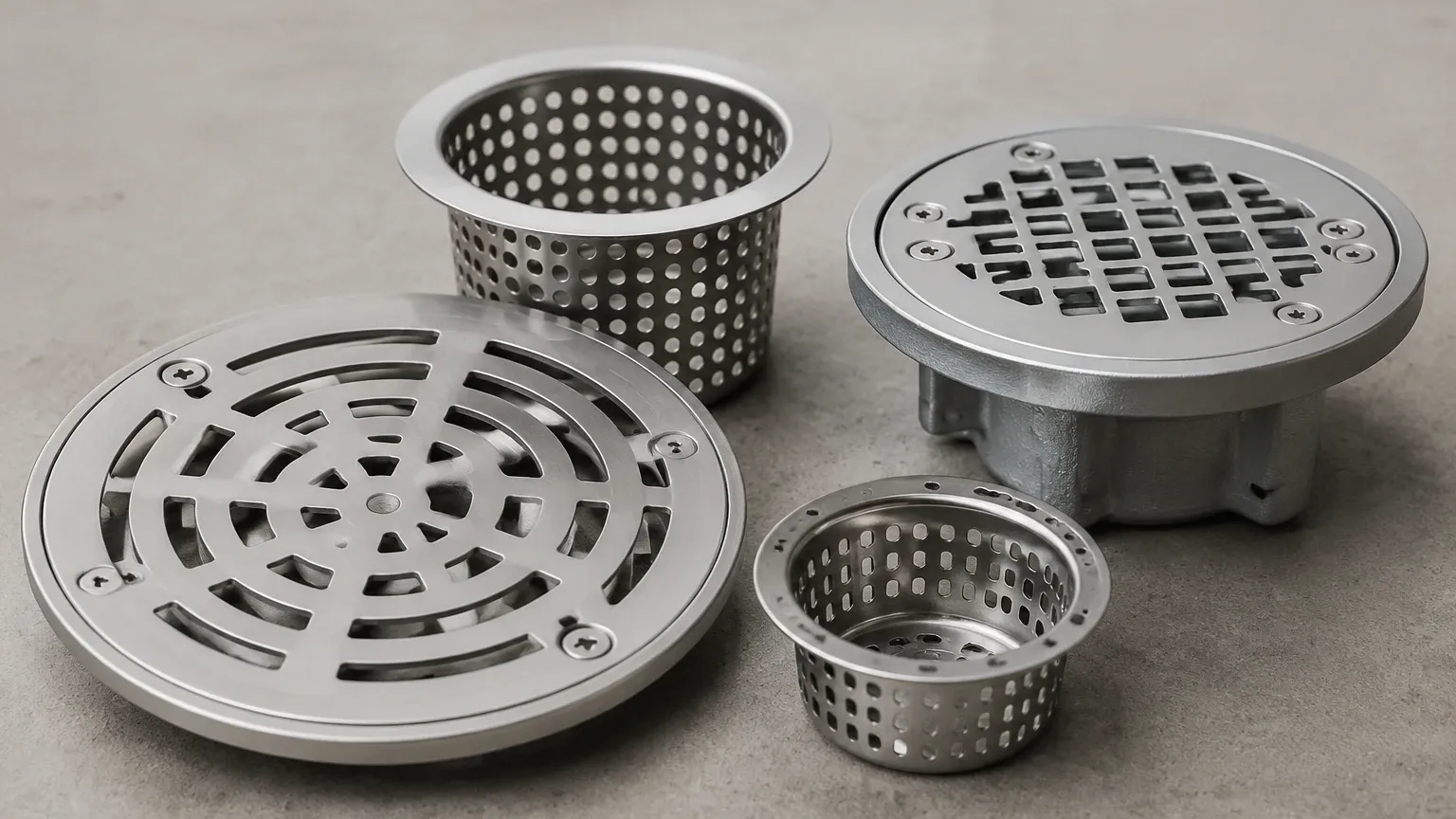
When evaluating zurn floor drain strainers, it is important to distinguish between the grate (the visible top portion) and the internal sediment basket. The grate provides the initial screening and supports the physical load of traffic, while the internal basket—often referred to as a secondary strainer—captures finer particles that pass through the grate openings. This dual-layer approach is vital in preventing "sludging" in the trap and maintaining the sanitary conditions required in regulated industries.
Technical Classifications and Load Ratings
One of the most critical engineering considerations when selecting or replacing floor drain strainers is the load rating. Installing a strainer that cannot withstand the physical stresses of the environment leads to structural failure, which presents a significant safety hazard. Most industrial strainers are classified according to ASME A112.6.3 standards:
* Light Duty: Designed for pedestrian traffic only. These are typically found in restrooms or mechanical rooms with no heavy equipment movement.
* Medium Duty: Rated for live loads between 2,000 and 4,999 lbs. These are suitable for light hand trucks and foot traffic in commercial kitchens.
* Heavy Duty: Rated for loads between 5,000 and 7,499 lbs. These are required in areas where small forklifts or heavy carts are utilized.
* Extra Heavy Duty: Rated for 7,500 to 10,000 lbs. These are essential for industrial warehouses and loading docks.
* Special Duty: Rated for loads exceeding 10,000 lbs, often found in heavy manufacturing facilities or aircraft hangars.
When sourcing Strainers & Baskets, engineers must verify that the replacement component matches or exceeds the original load specification of the drainage body. Using an under-rated strainer in a high-traffic industrial zone can result in the grate collapsing into the drain, leading to costly repairs and potential injury.
Material Selection for Corrosive and High-Temperature Environments
Standard floor drain strainers are often manufactured from nickel bronze, cast iron, or chrome-plated brass. However, in industrial B2B applications, these materials may not offer the necessary chemical resistance or longevity. Stainless steel has become the preferred material for high-performance filtration components due to its superior durability.
Type 304 vs. Type 316 Stainless Steel
For most general industrial applications, Type 304 stainless steel provides excellent corrosion resistance and structural strength. However, in environments involving high chloride concentrations or aggressive acids—such as marine applications or chemical processing—Type 316 stainless steel is often required. The addition of molybdenum in Type 316 significantly improves resistance to pitting and crevice corrosion.
Thermal Stability
In food processing plants, floors are often subjected to "washdown" procedures involving boiling water or high-pressure steam. Standard plastic or low-grade metal strainers can warp or degrade under these thermal cycles. Stainless steel components maintain their dimensional stability and structural integrity, ensuring a flush fit with the drain body even after years of thermal stress.
Flow Dynamics and Open Area Calculations
A common mistake in strainer replacement is focusing solely on the external dimensions while ignoring the "Free Area." The Free Area refers to the total square inches of the openings in the strainer grate. If a replacement strainer has a lower Free Area than the original specification, it can cause water to pool on the floor, creating a slip hazard and violating safety protocols.
For high-flow environments, engineers often look for "perimeter drainage" designs or specialized mesh configurations. In cases where the standard zurn floor drain strainers do not provide sufficient flow for a specific process, custom-engineered wire mesh strainers can be developed. These custom solutions allow for precise control over the filtration micron rating while maximizing the open area to prevent hydraulic bottlenecks.
Common Risks and Failure Points in Drain Filtration
Failure to properly maintain or select the correct strainer leads to several common industrial problems:
1. Bypass Leakage: If a strainer does not fit perfectly within the drain body, debris can bypass the filter and enter the piping. This is often caused by using "universal" fit parts that do not account for the specific tolerances of the Zurn housing.
2. Grate Displacement: In high-traffic areas, strainers that are not secured with vandal-proof screws or locking mechanisms can become dislodged, leaving the drain open to large debris.
3. Biofilm Accumulation: In the food and pharmaceutical industries, strainers with rough surface finishes can harbor bacteria. Electropolished stainless steel strainers provide a smooth, non-porous surface that is easier to sanitize and resistant to biofilm growth.
4. Sediment Overload: If the internal basket is too small for the volume of solids produced by the facility, it will clog rapidly, requiring frequent manual intervention and increasing labor costs.
Customization Options for OEM and Retrofit Projects
While Zurn provides a robust catalog of standard components, unique industrial processes often demand customized filtration solutions. This is where the expertise of a specialized manufacturer like Kaifil becomes invaluable. Customization allows for the optimization of several variables:
* Mesh Sizing: Standard grates often have large holes (e.g., 1/4" or 1/2"). For processes that involve fine particulates, a stainless steel wire mesh can be integrated into the basket design to capture smaller solids without significantly restricting flow.
* Reinforced Structures: For Special Duty applications, internal support ribs can be added to the strainer to prevent deflection under extreme weight.
* Handle and Lift Configurations: In deep floor sinks, standard baskets can be difficult to remove. Custom handles or "easy-lift" designs improve ergonomic safety for maintenance staff.
By choosing professional Strainers & Baskets designed for specific industrial tolerances, facilities can reduce the frequency of emergency plumbing calls and extend the life of their infrastructure.
Maintenance and Replacement Cycles
To ensure the longevity of floor drain systems, a proactive maintenance schedule is required. Engineers should confirm the following during routine inspections:
* Integrity Check: Inspect the grate for signs of hairline fractures or permanent deformation.
* Fastener Security: Ensure that all securing bolts are tight and that the threads have not been stripped or corroded.
* Seal Inspection: For drains that require a gas-tight or liquid-tight seal, check the gaskets for brittleness or compression set.
* Cleaning Protocol: Ensure that the cleaning agents used by the janitorial staff are compatible with the strainer material. For instance, using bleach on certain grades of stainless steel can lead to stress corrosion cracking if not rinsed properly.
Conclusion: Making Informed Purchasing Decisions
When sourcing zurn floor drain strainers or their high-performance alternatives, purchasing teams must look beyond the initial price point. The total cost of ownership includes the frequency of replacement, the labor costs associated with cleaning, and the potential risk of system downtime caused by drainage failure.
For demanding industrial environments, transitioning from standard cast components to precision-engineered stainless steel filtration solutions provides a significant return on investment. By focusing on material grade, load rating, and flow capacity, engineers can ensure that their drainage systems remain functional, sanitary, and compliant with industry standards. Whether you are managing a retrofit of an existing facility or specifying components for a new build, selecting the right filtration partner is the key to operational success.
