


Coffee Filter Packs
In the landscape of industrial food and beverage processing, the efficiency of extraction processes is heavily dependent on the precision of filtration components. While consumer-level brewing often relies on disposable paper, commercial and industrial applications require robust, reusable, and high-precision solutions. Coffee filter packs, specifically those engineered from stainless steel wire mesh, represent a critical component in large-scale brewing systems, cold brew extraction units, and industrial espresso machines.
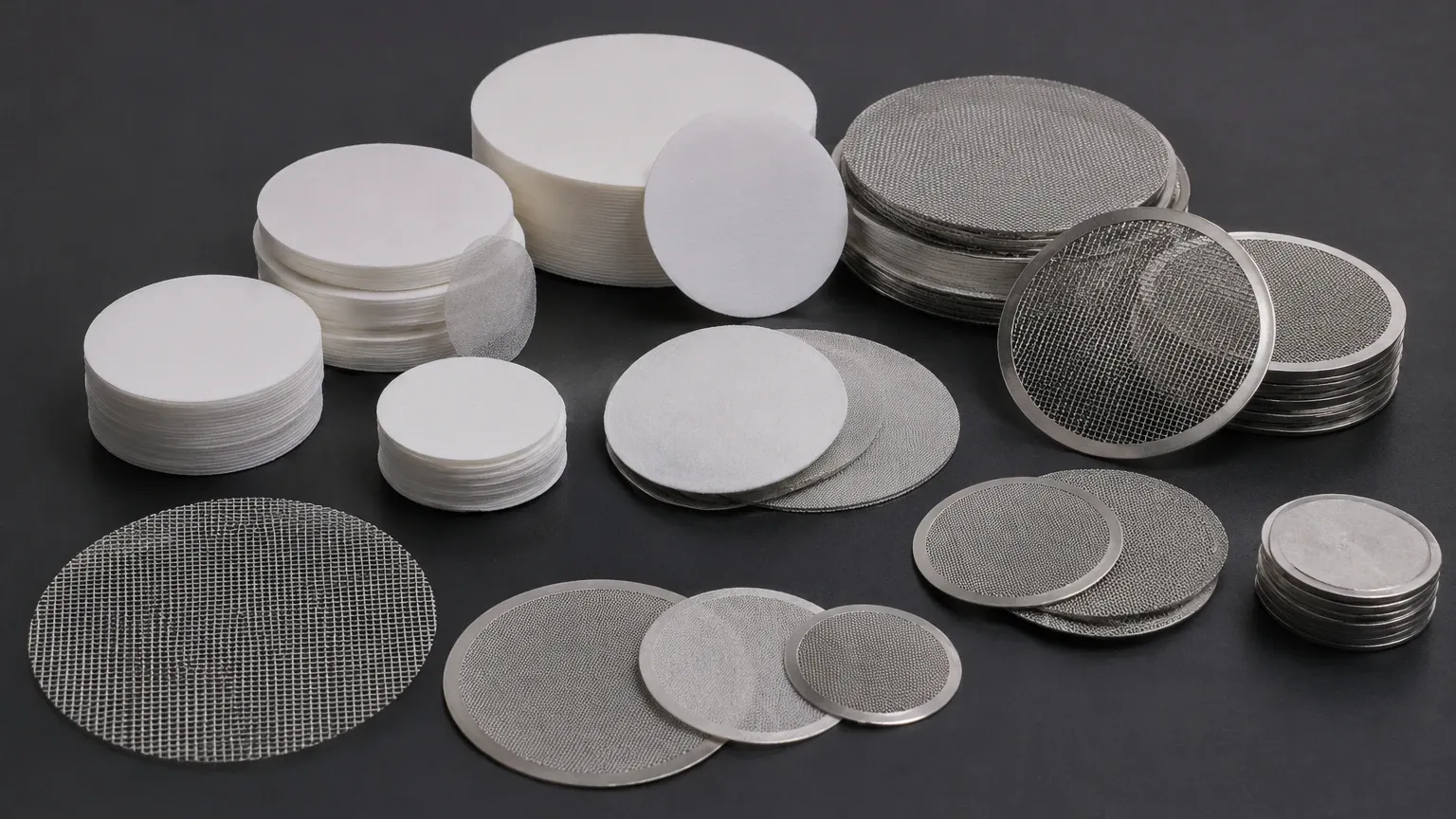
For engineers and procurement specialists, selecting the right Filter Discs & Packs involves understanding the intersection of mesh geometry, material science, and fluid dynamics. These components are not merely strainers; they are precision-engineered tools designed to manage flow rates, retain fine particulates, and withstand the corrosive environment of coffee oils and high-temperature water.
The Role of Stainless Steel in Coffee Filtration
Industrial coffee filter packs are primarily manufactured from stainless steel wire mesh due to the material’s inherent durability and resistance to thermal stress. Unlike paper or plastic alternatives, stainless steel mesh does not absorb essential oils or alter the chemical profile of the coffee. This ensures a consistent flavor profile across thousands of cycles, which is a non-negotiable requirement for commercial roasters and beverage manufacturers.
From an engineering perspective, the use of stainless steel allows for precise control over the micron rating. In industrial coffee extraction, the goal is often to remove "fines"—microscopic particles that can cause over-extraction and bitterness—while allowing the desired soluble solids and oils to pass through. The rigidity of metal filter packs ensures that the pore size remains constant even under the significant hydraulic pressure found in commercial espresso or pressurized extraction systems.
Technical Specifications: Mesh Types and Weave Patterns
The performance of coffee filter packs is largely determined by the weave pattern of the wire mesh. Different applications within the coffee industry require different filtration characteristics:
Plain Weave Mesh
Plain weave is the most common and straightforward design, where each warp wire crosses over and under each shute wire. It provides a high percentage of open area, which is ideal for gravity-fed systems or large-batch drip brewing where a high flow rate is prioritized over extreme fine retention.
Dutch Weave Mesh
For high-pressure applications, such as industrial espresso extraction or concentrated coffee production, Dutch weave (including Plain Dutch and Twilled Dutch) is often preferred. This weave utilizes a higher density of smaller diameter wires in one direction, creating a tortuous path for the fluid. This results in superior mechanical strength and the ability to filter out much smaller particles, often down to the 10-20 micron range, without the risk of the mesh deforming under pressure.
Multi-Layer Sintered Mesh
In the most demanding industrial environments, single-layer mesh may lack the necessary structural integrity. Multi-layer filter packs, often sintered together, combine a fine filtration layer with coarser support layers. This configuration prevents the fine mesh from "blinded" or stretching, extending the service life of the pack in continuous production lines.
Design and Customization for OEM Integration
Industrial filtration is rarely a one-size-fits-all solution. Coffee filter packs must be customized to fit specific equipment housings to prevent bypass—a common failure mode where unfiltered liquid escapes around the edges of the filter.
Rim and Border Configurations
To ensure a hermetic seal within the brewing chamber, filter packs are often finished with a rim. Common options include:
* Aluminum or Stainless Steel Rims: These provide a rigid edge that can be clamped into place, ensuring the filter remains flat and centered.
* Spot-Welded Edges: For multi-layer packs, spot welding at the perimeter keeps the layers aligned without adding the bulk of a full rim.
* Compressed Edges: In some designs, the edges of the mesh are compressed to a specific thickness to fit into narrow grooves within the machinery.
Shape and Geometry
While circular discs are standard, industrial systems may require rectangular, oval, or custom-contoured packs. Precision laser cutting or die-stamping ensures that these shapes meet the tight tolerances required for seamless integration into OEM equipment.
Engineering Considerations: Flow Rate vs. Filtration Accuracy
When specifying Filter Discs & Packs for coffee applications, engineers must navigate the trade-off between filtration accuracy (micron rating) and flow rate (permeability).
1. Pressure Drop: A filter with a very fine micron rating will inevitably cause a higher pressure drop across the media. If the system's pump or gravity head cannot overcome this resistance, the flow rate will drop, leading to inconsistent extraction times.
2. Particulate Loading: Coffee grounds vary in size depending on the grind setting. A filter pack must be designed to handle the specific particulate load of the application. If the mesh is too fine for a coarse grind, it may clog prematurely; if it is too coarse for a fine grind, the resulting beverage will contain excessive sediment.
3. Effective Filtration Area (EFA): Maximizing the EFA within the constraints of the machine’s footprint is essential for maintaining high throughput. This is often achieved through optimized pleating or by selecting mesh with a higher open area percentage.
Durability and Maintenance in Industrial Environments
One of the primary advantages of stainless steel coffee filter packs is their longevity. However, the total cost of ownership is only optimized if a proper maintenance protocol is followed. Coffee oils (lipids) and proteins can accumulate within the mesh pores over time, a phenomenon known as fouling.
Cleaning Protocols
* Ultrasonic Cleaning: This is the most effective method for industrial filter packs. High-frequency sound waves create cavitation bubbles that dislodge deeply embedded particles and oils without damaging the delicate wire mesh.
* Chemical Cleaning: The use of specialized backflush detergents can dissolve coffee oils. It is critical to ensure that the stainless steel grade (typically 304 or 316L) is compatible with the cleaning agents used to prevent pitting or corrosion.
* Backwashing: In automated systems, reversing the flow of water through the filter pack can help clear the surface of the mesh, extending the interval between deep cleanings.
Lifespan Expectations
Unlike paper filters, which are single-use, a well-maintained stainless steel filter pack can last for thousands of cycles. The end-of-life for these components is usually signaled by mechanical wear, such as fraying at the edges or permanent deformation of the mesh that leads to inconsistent flow.
Selecting the Right Grade: SS304 vs. SS316L
Material selection is a critical step in the procurement process. While both 304 and 316L are common in food-grade applications, the choice depends on the specific environment:
* Stainless Steel 304: Suitable for most standard coffee brewing applications. It offers excellent strength and good corrosion resistance at a lower cost point.
* Stainless Steel 316L: Contains molybdenum, which provides superior resistance to chlorides and organic acids. If the filtration system is cleaned with aggressive chemicals or if the water source has a high mineral content, 316L is the safer choice to prevent long-term degradation.
Checklist for Purchasing and Engineering Teams
Before finalizing a specification for coffee filter packs, technical teams should confirm the following parameters to ensure optimal performance:
* Micron Rating Requirement: What is the specific particle size that must be retained? (e.g., 50 microns for drip, 20 microns for espresso).
* Operating Pressure: Will the filter be subjected to high-pressure pumps or vacuum extraction?
* Dimensional Tolerances: What are the exact diameter and thickness requirements for the housing?
* Layer Configuration: Is a single layer sufficient, or is a multi-layer pack required for structural support?
* Compliance: Does the material meet FDA or relevant food-contact safety standards?
* Quantity and Lead Time: For OEM applications, ensuring a reliable supply chain for replacement parts is as important as the initial design.
By focusing on these technical details, manufacturers can achieve a balance of durability and precision, ensuring that their filtration systems contribute to a high-quality end product while minimizing operational downtime. For those seeking specialized configurations, exploring the full range of Filter Discs & Packs is the first step toward optimizing industrial extraction performance.
