


Filtered Booster Packs
In high-pressure industrial environments, the efficiency of a filtration system often determines the quality of the final product and the longevity of downstream machinery. Filtered booster packs, a specialized configuration of multi-layered wire mesh assemblies, are designed to meet these rigorous demands. Whether used in polymer extrusion, hydraulic systems, or chemical processing, these components provide the necessary structural integrity and filtration precision to manage high-viscosity fluids and significant pressure differentials.
For engineers and procurement specialists, selecting the correct Filter Discs & Packs involves a deep understanding of material science, fluid dynamics, and mechanical engineering. These assemblies are not merely consumables; they are critical performance boosters that ensure system stability. This article explores the technical specifications, engineering considerations, and selection criteria for filtered booster packs in modern industrial applications.
Understanding the Architecture of Filtered Booster Packs
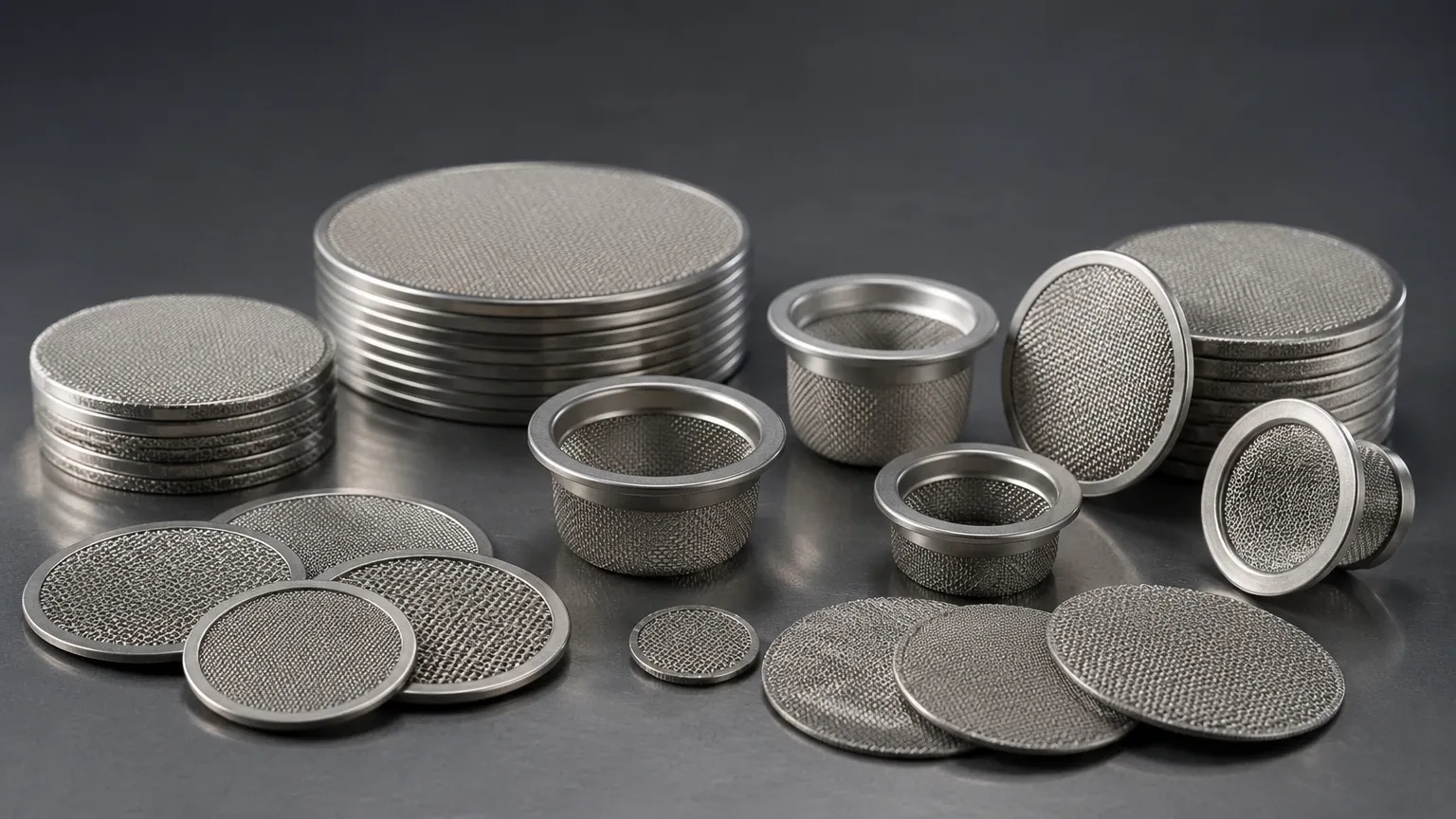
The fundamental design of filtered booster packs relies on a multi-layer strategy. Unlike a single-layer filter disc, a booster pack combines several layers of stainless steel wire mesh, each serving a distinct purpose. This layered approach is essential for balancing filtration fineness with mechanical strength.
Layer Stratification
Typically, a pack consists of three to five layers, though more complex configurations are common in heavy-duty extrusion. The sequence usually follows a specific pattern:
1. Support Layers: Coarse mesh layers with high wire diameters provide the structural backbone. These layers prevent the finer filtration mesh from collapsing or distorting under high pressure.
2. Drainage Layers: Intermediate mesh sizes that facilitate even flow distribution across the filtration surface, reducing localized pressure spikes.
3. Filtration Layers: The core of the pack, utilizing fine mesh or sintered metal to achieve the target micron rating. This is where the actual separation of contaminants occurs.
Assembly Methods
To maintain the integrity of these layers, filtered booster packs are assembled using various techniques. Spot welding is the most common for standard applications, ensuring the layers stay aligned during installation. For more demanding environments, rimmed packs are used. These feature a metal binding—often made of aluminum, copper, or stainless steel—around the circumference. The rim not only holds the layers together but also acts as a gasket, providing a superior seal within the filter housing or extruder breaker plate.
Engineering Considerations for High-Pressure Applications
In industries such as polymer extrusion or hydraulic power, filtration components are subjected to extreme mechanical stress. The term "booster" in filtered booster packs often refers to their ability to withstand and operate effectively under these high-pressure conditions without compromising flow rates.
Burst Strength and Mechanical Stability
Engineers must calculate the maximum allowable pressure drop (Delta P) across the pack. If the mesh is too fine or the support structure is inadequate, the pressure differential can lead to "media migration" or a total burst. Stainless steel 316L is frequently preferred for these applications due to its high tensile strength and resistance to mechanical fatigue. The use of Dutch weave patterns in the filtration layer further enhances strength, as the dense packing of wires provides more contact points than a standard plain weave.
Flow Dynamics and Viscosity
When dealing with high-viscosity fluids, such as molten plastics or heavy oils, the pack must be engineered to minimize resistance. A common mistake in selection is choosing a micron rating that is unnecessarily fine, which leads to rapid clogging and excessive energy consumption by the pumps or extruders. Filtered booster packs allow for a graduated filtration approach, where larger particles are trapped by outer layers, preventing the fine inner mesh from blinding prematurely.
Material Selection and Chemical Compatibility
The choice of material is the primary factor in determining the lifespan of filtered booster packs. While stainless steel is the industry standard, different grades offer varying levels of protection against corrosion and thermal degradation.
* SS 304: Suitable for general industrial applications where moisture is present but chemical aggression is low. It offers good strength and cost-effectiveness for water treatment or basic hydraulic filtration.
* SS 316: Contains molybdenum, which significantly improves resistance to chlorides and organic acids. This is the baseline for chemical processing and marine environments.
* SS 316L: The low-carbon version of 316, essential for applications involving welding. It prevents carbide precipitation, ensuring that the welded edges of the filter packs remain as corrosion-resistant as the mesh itself. This is critical in pharmaceutical and food-grade applications.
* Specialty Alloys: In extreme cases involving high-temperature corrosive gases or highly acidic media, alloys like Monel or Inconel may be utilized within the pack structure.
Performance Metrics and Filtration Efficiency
Evaluating the performance of filtered booster packs requires looking beyond simple micron ratings. Engineers must distinguish between nominal and absolute filtration ratings to ensure the pack meets the specific cleanliness standards of the process.
Micron Rating vs. Capture Efficiency
A nominal rating indicates the pack's ability to retain a majority of particles of a certain size, whereas an absolute rating guarantees that no particles larger than the specified micron size will pass through. In precision industries like semiconductor manufacturing or aerospace hydraulics, absolute-rated filtered booster packs are mandatory to prevent catastrophic component failure.
Dirt Holding Capacity
The multi-layer design of these packs inherently increases their dirt-holding capacity. By trapping contaminants throughout the depth of the pack rather than just on the surface, the interval between maintenance cycles is extended. This is a key metric for calculating the total cost of ownership, as it directly impacts machine uptime.
Maintenance, Replacement Cycles, and Total Cost of Ownership
For a B2B operation, the purchase price of filtered booster packs is only a fraction of the total cost. The real economic impact lies in the frequency of replacement and the labor required for changeovers.
Monitoring Pressure Differentials
The most reliable method for determining when to replace a filter pack is the continuous monitoring of the pressure differential. As the mesh pores fill with contaminants, the pressure required to maintain flow increases. Setting a clear threshold for replacement prevents the risk of pack deformation and ensures consistent product quality. In automated systems, pressure sensors can trigger an alarm or an automatic screen changer when the booster pack reaches its capacity.
Cleaning and Reuse
Depending on the contaminant and the mesh type, some filtered booster packs can be cleaned and reused. Ultrasonic cleaning, chemical baths, or burnout furnaces (for polymer removal) are common methods. However, engineers must verify that the cleaning process does not degrade the wire diameter or weaken the spot welds. For many high-precision applications, the risk of cross-contamination or structural weakening makes single-use packs a more technically sound and cost-effective choice in the long run.
Customization Options for Specialized Industrial Processes
No two industrial processes are identical, which is why customization is a hallmark of high-quality filtered booster packs. Manufacturers like Kaifil work closely with engineering teams to develop bespoke solutions that fit specific machinery and process parameters.
Variable Geometry
While circular discs are standard, booster packs can be manufactured in oval, rectangular, or complex kidney shapes to fit specialized housings. The thickness of the pack can also be adjusted by adding or removing layers to meet specific flow resistance requirements.
Edge Sealing and Gasketing
For applications where bypass is a critical concern, the edge treatment of the pack is paramount. Beyond standard aluminum rims, packs can be engineered with specialized polymer gaskets or high-temperature metal seals. This ensures that 100% of the fluid passes through the filtration media, maintaining the integrity of the downstream process.
OEM Compatibility
Many industrial machines require specific pack configurations that meet original equipment manufacturer (OEM) specifications. Custom manufacturing allows for the replication of these specs while potentially improving upon the material grade or mesh weave to solve recurring filtration issues in the field.
Conclusion
Filtered booster packs are essential components for maintaining the efficiency and safety of high-pressure industrial systems. By understanding the interplay between mesh layers, material properties, and mechanical stresses, engineers can select Filter Discs & Packs that not only protect their equipment but also optimize their production output. Whether the priority is absolute filtration precision, high dirt-holding capacity, or extreme chemical resistance, the right booster pack configuration serves as a reliable safeguard in the most demanding environments.
