


4 Cup in Room Folgers Filter Packs
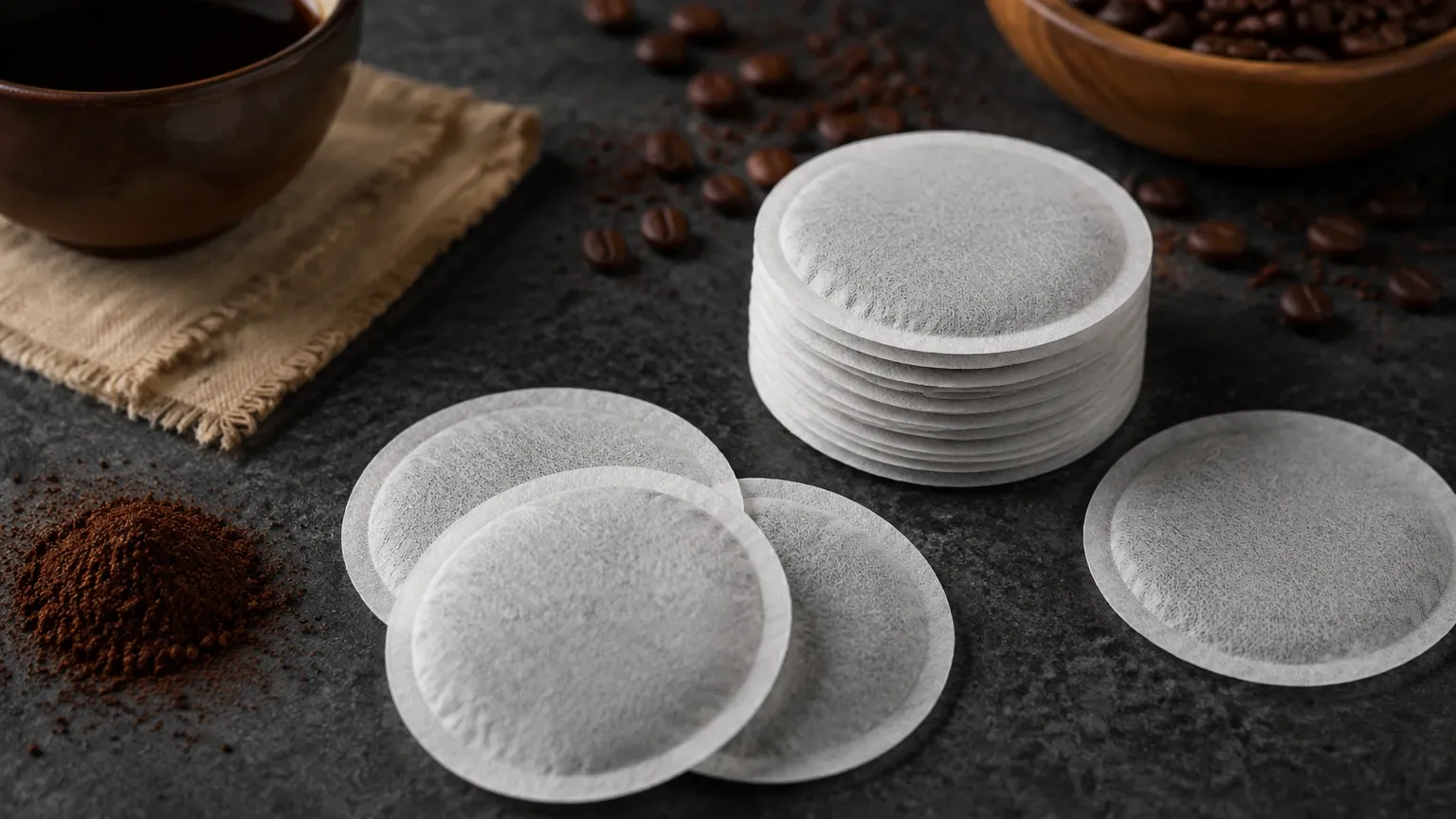
In the hospitality and commercial food service sectors, the "4-cup" format has become a standard for in-room coffee service. While the consumer-facing product often involves disposable options like 4 cup in room folgers filter packs, the underlying engineering required to produce, package, and optimize these filtration systems involves sophisticated industrial processes. For engineers and procurement specialists in the food and beverage equipment industry, understanding the transition from disposable media to high-performance Filter Discs & Packs is essential for enhancing machine longevity and brew consistency.
Industrial filtration components serve as the backbone for both the manufacturing of disposable filter packs and the development of permanent, reusable filtration modules used in high-end commercial brewing equipment. This article examines the technical specifications, material considerations, and engineering advantages of precision metal filtration in the context of small-batch liquid processing.
The Mechanics of Small-Batch Filtration
The 4-cup brewing format presents unique challenges in fluid dynamics. Unlike large-scale industrial extractors, small-batch systems must manage relatively low flow rates while maintaining high extraction efficiency. The 4 cup in room folgers filter packs are designed to provide a specific resistance to water flow, ensuring that the contact time between the hot water and the grounds is sufficient for optimal flavor extraction without causing over-extraction or bitterness.
From an engineering perspective, this requires a precise balance of permeability and particle retention. In disposable packs, this is achieved through the porosity of non-woven fibers. However, in the machinery that produces these packs, or in commercial-grade brewers designed for durability, stainless steel filter discs are often employed. These metal components must mimic or improve upon the flow characteristics of paper while offering the structural integrity needed for thousands of cycles.
Key Performance Metrics:
* Flow Rate Consistency: Ensuring that every cup brewed across a fleet of machines is identical.
* Particle Retention: Preventing "fines" or sediment from entering the final product, which is particularly critical in the fine-grind profiles often found in pre-measured packs.
* Thermal Stability: Maintaining filtration accuracy under varying water temperatures, typically ranging from 195°F to 205°F (90°C to 96°C).
Material Selection for Food-Grade Filter Discs & Packs
When moving beyond the disposable 4 cup in room folgers filter packs into the realm of permanent industrial components, material selection is the most critical factor. For food and beverage applications, stainless steel is the industry standard due to its corrosion resistance and ease of sterilization.
Stainless Steel 304 vs. 316L
Most industrial filter packs are constructed from either Grade 304 or Grade 316L stainless steel.
* SS 304: Offers excellent durability and is suitable for most standard brewing environments where water quality is controlled.
* SS 316L: Contains molybdenum, providing superior resistance to chlorides and organic acids. This is often preferred in environments where aggressive cleaning agents are used or where the water source has high mineral content.
Wire Mesh Weave Types
The performance of a metal filter disc is dictated by the weave of the wire mesh. Engineers must select a weave that prevents clogging while allowing for efficient cleaning:
1. Plain Weave: The most common and cost-effective, providing a straight-through flow path.
2. Dutch Weave: Utilizes different wire diameters in the warp and weft to create a denser, stronger mesh capable of finer filtration (down to 5-10 microns).
3. Twilled Weave: Allows for thicker wires in a given mesh count, increasing the mechanical strength of the pack.
Engineering Challenges: Disposable vs. Permanent Filtration
While 4 cup in room folgers filter packs offer convenience in a hospitality setting, they represent a recurring operational cost and contribute to environmental waste. In commercial environments, such as office coffee services (OCS) or high-traffic breakfast buffets, there is an increasing shift toward permanent metal filtration modules.
Structural Integrity and Pressure Resistance
Unlike paper packs, which can tear or bypass under pressure, multi-layer sintered Filter Discs & Packs are engineered to withstand significant mechanical stress. In pressurized brewing systems (such as those used for espresso or high-speed commercial brewers), the filter must maintain its shape and pore size even when subjected to pump pressures exceeding 9 bar.
Prevention of Media Migration
A common risk with low-quality disposable filters is media migration—where fibers from the filter itself end up in the beverage. Precision-manufactured stainless steel discs eliminate this risk. Through advanced welding techniques like plasma or ultrasonic welding, the edges of the mesh are sealed, ensuring that no loose wires or fragments can contaminate the process stream.
Customization and OEM Integration
For manufacturers of brewing equipment, off-the-shelf filtration solutions rarely suffice. The geometry of the filter housing, the specific grind size of the coffee (such as that found in 4 cup in room folgers filter packs), and the desired flow rate necessitate customized designs.
Multi-Layer Configurations
To optimize performance, engineers often specify multi-layer filter packs. A typical configuration might include:
* Filtration Layer: A fine mesh (e.g., 50-100 micron) that dictates the particle retention.
* Support Layer: A coarser, heavier mesh that provides rigidity to the fine mesh.
* Drainage Layer: A layer designed to facilitate the even distribution of liquid across the entire surface area of the filter.
These layers can be spot-welded or sintered together to form a monolithic component that is easy to install and replace during maintenance cycles.
Maintenance and Total Cost of Ownership (TCO)
One of the primary questions engineers face when selecting filtration components is the total cost of ownership. While the initial investment in a stainless steel filter disc is higher than a case of disposable 4 cup in room folgers filter packs, the long-term economics often favor the permanent solution in industrial and high-volume commercial settings.
Cleaning Protocols
To maintain the performance of metal filter packs, a structured cleaning regimen is required. Because stainless steel is non-porous and heat-resistant, it can be cleaned using methods that would destroy paper or plastic filters:
* Ultrasonic Cleaning: Effective for removing oils and fine particulates trapped deep within the mesh.
* Backwashing: Reversing the flow of water to dislodge surface-level debris.
* Chemical Soaking: Using food-grade caustic or acidic cleaners to dissolve mineral scale and organic buildup.
Replacement Cycles
In a commercial brewing environment, a high-quality stainless steel filter can last for years with proper maintenance. In contrast, the cumulative cost of disposables, along with the labor required for frequent restocking and the environmental impact of waste disposal, makes the transition to permanent metal filtration a strategic move for many OCS providers and equipment manufacturers.
Technical FAQs for Engineering Procurement
1. How do I determine the correct micron rating for a coffee filtration application?
The micron rating depends on the grind size. For a standard drip brew, a mesh size between 100 and 150 microns is typical. For finer grinds or to achieve a "cleaner" cup with fewer oils, a 50-75 micron Dutch weave may be required.
2. Can metal filter discs be retrofitted into machines designed for 4-cup paper packs?
In many cases, yes. However, it is critical to ensure that the metal disc provides the same back-pressure as the paper pack. If the metal filter is too permeable, the water will pass through the grounds too quickly, resulting in weak coffee. This is where custom layer engineering becomes vital.
3. What are the common failure modes for industrial filter packs?
The most common issues are "blinding" (permanent clogging due to improper cleaning) and mechanical fatigue at the weld points. Selecting a sintered pack rather than a simple mesh stack can significantly reduce the risk of fatigue-related failure.
Conclusion
Whether supporting the production of 4 cup in room folgers filter packs or developing the next generation of sustainable commercial brewing equipment, the role of precision filtration cannot be overstated. By selecting high-quality Filter Discs & Packs, engineers can ensure their systems deliver consistent performance, meet stringent food safety standards, and provide a superior end-user experience. As the industry moves toward more sustainable and durable solutions, the expertise in material science and mesh configuration provided by specialized manufacturers like Kaifil becomes an invaluable asset in the design and procurement process.
