


U Filters for Air Purifier
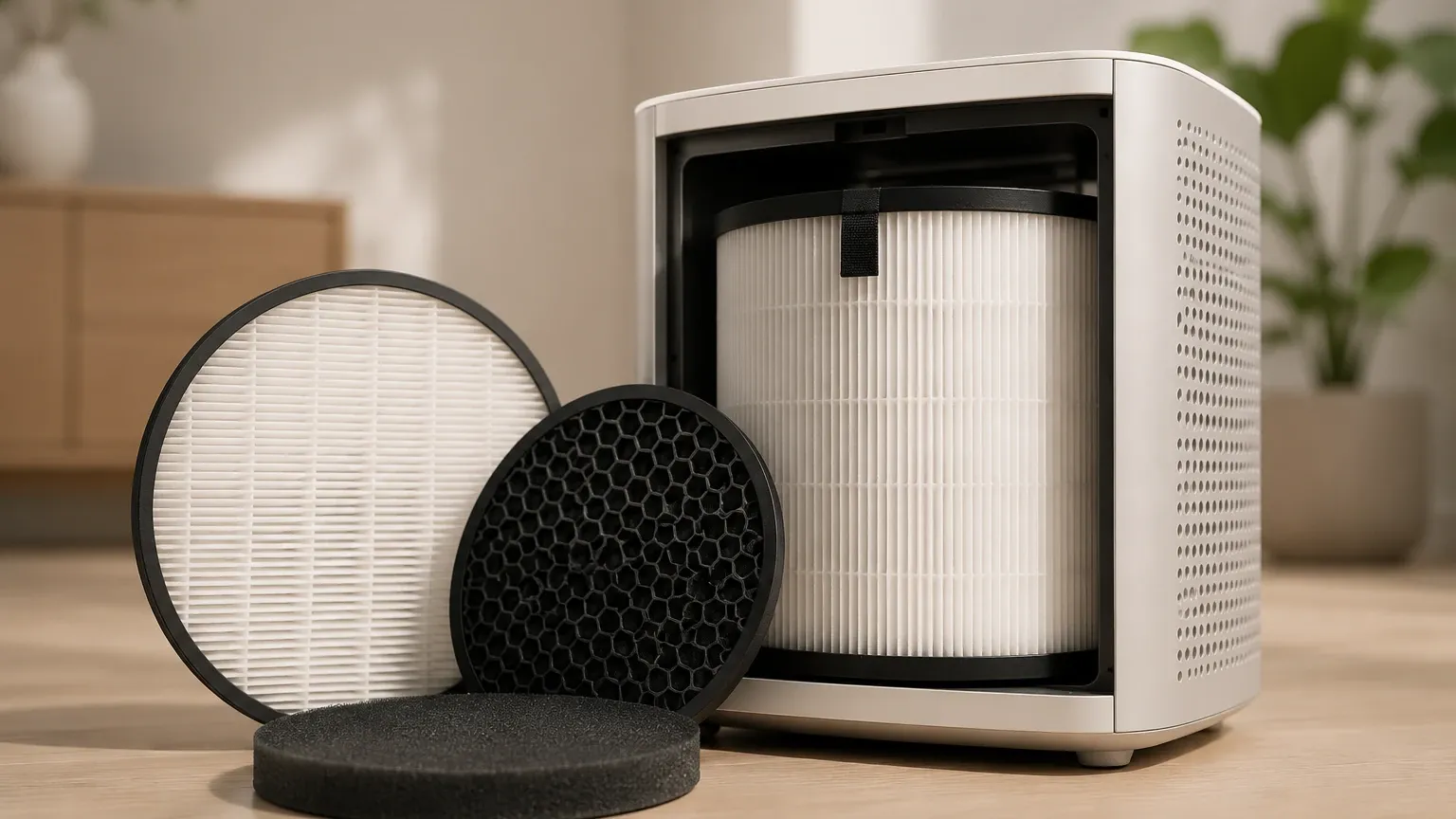
In industrial air purification and HVAC systems, the efficiency of the filtration sequence determines the longevity of the equipment and the purity of the environment. While consumer-grade air purifiers often rely on disposable synthetic media, industrial applications require robust, high-performance components. Among these, specialized metal mesh inserts, often referred to in technical procurement as u filters for air purifier components, play a critical role. These components, typically structured as Filter Discs & Packs, serve as the first line of defense or as structural support for high-efficiency particulate air (HEPA) systems.
For engineers and procurement professionals, understanding the technical nuances of these metal filtration elements is essential. This guide explores the engineering specifications, material selection, and performance evaluation criteria for metal filter discs and packs used in air purification and industrial gas filtration.
Understanding the Role of Metal Mesh in Air Purification
Air purification in industrial settings—such as pharmaceutical cleanrooms, chemical processing plants, and food production facilities—demands filtration solutions that can withstand high face velocities, temperature fluctuations, and potential chemical exposure. Metal mesh filter discs and packs are integrated into these systems to perform several key functions:
1. Pre-filtration: Capturing larger particulates before they reach expensive, fine-fiber HEPA or ULPA filters. This extends the service life of the secondary stages.
2. Flame and Spark Arrestance: In environments where airborne sparks are a risk, stainless steel mesh acts as a thermal barrier, preventing ignition sources from reaching flammable synthetic media.
3. Flow Distribution: Multi-layer filter packs help to laminarize airflow, ensuring even distribution across the entire surface area of the purification unit.
4. Structural Support: Providing a rigid backbone for pleated media or acting as a screen to prevent media migration.
When searching for u filters for air purifier applications, technical teams are often looking for specific U-section frames or U-shaped gaskets that house these metal mesh packs, ensuring a leak-proof seal within the air handler.
Engineering Specifications for Filter Discs & Packs
To achieve the desired filtration efficiency without causing excessive pressure drop, the engineering of filter discs and packs must be precise. Kaifil specializes in manufacturing these components to exact tolerances, focusing on several critical parameters.
Material Selection
Stainless steel is the industry standard for industrial air purification due to its corrosion resistance and mechanical strength.
- AISI 304: Suitable for general industrial air filtration where moisture levels are moderate.
- AISI 316L: Preferred for chemical processing or marine environments where acid or salt corrosion is a concern.
- High-Temperature Alloys: For exhaust air purification or high-heat industrial processes, specialized alloys like Inconel may be utilized.
Weave Types and Mesh Counts
The performance of the filter disc depends heavily on the weave pattern of the wire mesh:
- Plain Weave: Offers high flow rates and is ideal for pre-filtration and coarse particle capture.
- Dutch Weave: Provides a denser structure with higher filtration accuracy, often used in multi-layer packs to capture finer particulates while maintaining structural integrity.
- Twill Weave: Used for heavier wire diameters to provide increased strength for high-pressure air streams.
Multi-Layer Construction
Single-layer discs are often insufficient for high-demand air purifiers. Multi-layer packs, often spot-welded or bound with a metal rim, combine different mesh counts. A typical configuration might include a coarse outer mesh for structural support and a fine inner mesh for precise particle retention. This graduated density approach optimizes the dust-holding capacity of the filter.
Technical Comparison: Metal Mesh vs. Synthetic Media
When evaluating u filters for air purifier systems, engineers must decide between traditional synthetic (fiberglass or polyester) media and stainless steel mesh. While synthetic media often has a lower initial purchase price, metal mesh filter discs and packs offer distinct advantages in industrial B2B contexts.
| Feature | Stainless Steel Filter Discs/Packs | Synthetic Media Filters |
| :— | :— | :— |
| Durability | Extremely high; resistant to mechanical stress. | Low; prone to tearing or collapsing. |
| Temperature Limit | Up to 800°C (depending on alloy). | Typically limited to <100°C. |
| Cleanability | Fully washable and reusable via ultrasonic or chemical cleaning. | Disposable; must be replaced once loaded. |
| Chemical Resistance | High resistance to solvents and corrosive gases. | Limited; may degrade in harsh environments. |
| Total Cost of Ownership | Lower over the long term due to reusability. | Higher due to frequent replacement and disposal costs. |
Evaluation Criteria for Procurement and Engineering
Before selecting a manufacturer for filter discs and packs, technical teams should confirm several performance metrics to ensure the component meets the system's requirements.
1. Pressure Drop (ΔP)
In air purification, minimizing pressure drop is vital for energy efficiency. A filter that is too dense will force the fan motor to work harder, increasing operational costs. Engineers must calculate the clean pressure drop at the rated face velocity. High-quality metal mesh provides a predictable and consistent ΔP compared to non-woven materials.
2. Filtration Accuracy (Micron Rating)
For air purifiers, the micron rating of the pre-filter must be carefully matched to the downstream components. If the metal mesh is too coarse, the HEPA filter will clog prematurely. If it is too fine, the pre-filter itself will require excessive maintenance. Common ratings for metal air pre-filters range from 10 to 100 microns.
3. Edge Treatment and Sealing
For u filters for air purifier housings, the edge of the filter disc is a critical failure point. If the edges are not properly finished, bypass (unfiltered air) can occur. Kaifil provides various edge treatments, including:
- Spot Welding: For simple multi-layer packs.
- Aluminum or Stainless Steel Binding: A metal rim that compresses the mesh layers, providing a smooth surface for gaskets and ensuring a tight fit in U-shaped channels.
- Sintered Edges: For applications requiring the highest level of hygiene and structural permanence.
Customization and OEM Capabilities
Industrial air purification systems are rarely one-size-fits-all. Customization is often necessary to fit existing housings or to meet specific air quality standards. When sourcing Filter Discs & Packs, purchasing teams should look for manufacturers capable of providing:
- Custom Diameters and Shapes: Beyond standard circular discs, rectangular, oval, or custom-contoured packs may be required for specific air purifier designs.
- Layer Optimization: The ability to specify the exact sequence of mesh counts to balance flow rate and particle retention.
- Prototyping: Small-batch production for R&D and testing of new air purifier models.
Kaifil’s manufacturing process allows for high-precision cutting and assembly, ensuring that every component integrates seamlessly into the final assembly, whether it is a stand-alone unit or part of a larger industrial HVAC system.
Maintenance and Life Cycle Management
One of the primary reasons engineers specify stainless steel filter discs for air purifiers is the ability to implement a sustainable maintenance cycle. Unlike disposable filters that contribute to industrial waste, metal filter packs can be refurbished.
Cleaning Procedures
- Ultrasonic Cleaning: The most effective method for removing fine particulates lodged deep within the mesh layers.
- Backwashing: High-pressure air or water can be used to dislodge surface-level contaminants.
- Chemical Soaking: Useful for removing oils or organic buildup that may accumulate in industrial kitchen or chemical processing air streams.
Determining Replacement
While reusable, metal filters eventually reach the end of their service life. Signs that a filter pack needs replacement include permanent deformation of the mesh, broken wires (which can lead to downstream contamination), or a baseline pressure drop that remains high even after thorough cleaning.
Conclusion: Selecting the Right Filtration Partner
The performance of an industrial air purifier is only as reliable as its internal components. By choosing high-quality stainless steel Filter Discs & Packs, facilities can ensure consistent air quality, protect sensitive downstream equipment, and reduce long-term operational costs.
When specifying u filters for air purifier systems, it is essential to work with a manufacturer that understands the technical demands of industrial filtration. Kaifil provides the engineering expertise and manufacturing precision required to deliver durable, efficient, and customized filtration solutions for the world’s most demanding environments. Whether you are designing a new air purification system or upgrading an existing industrial air handler, focusing on material integrity and precise mesh selection is the key to optimized performance.
