


Z Filters
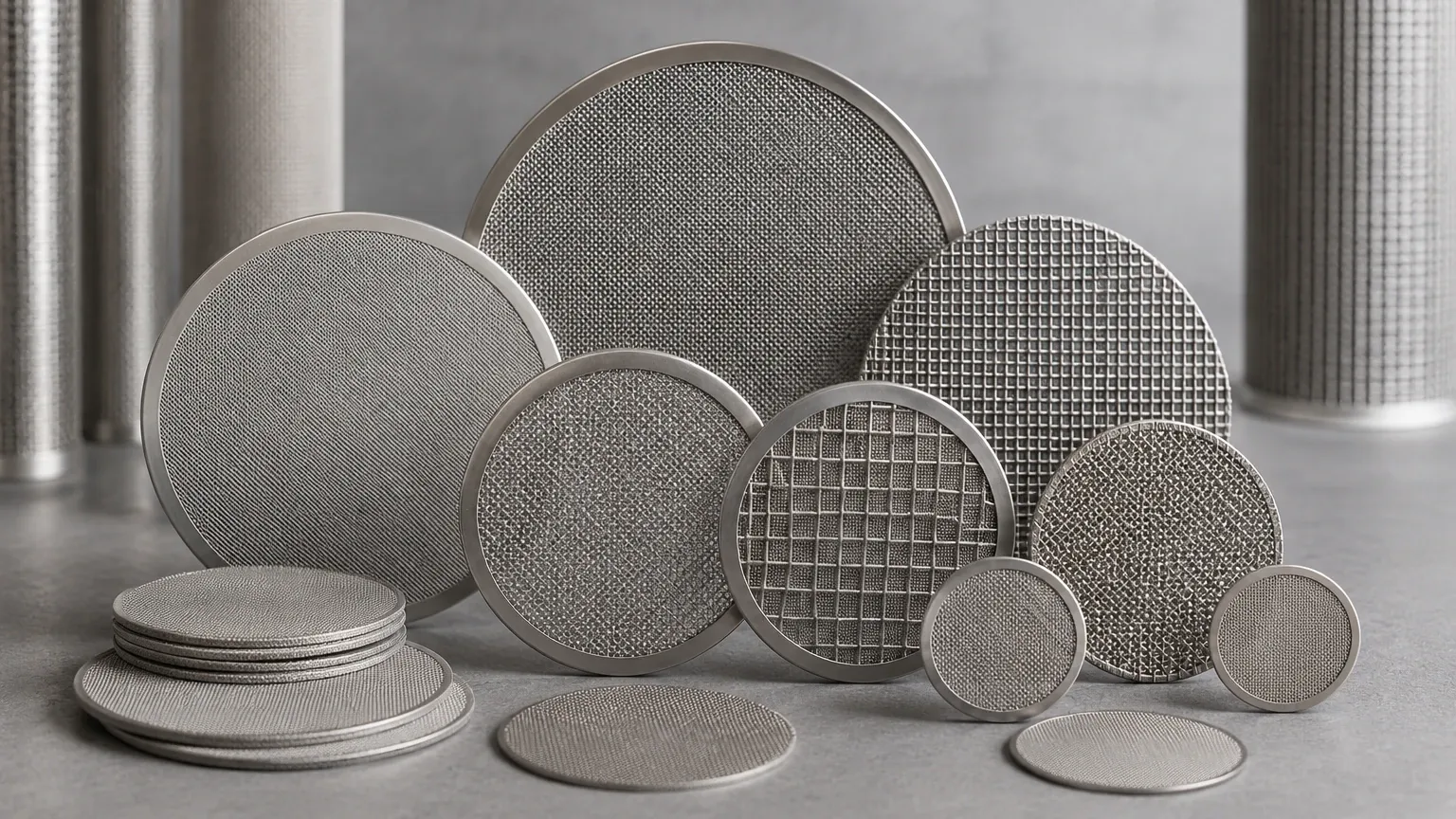
In the landscape of industrial filtration, the term "z filters" often refers to specialized high-surface-area configurations designed to handle high-viscosity fluids, high-pressure environments, and stringent purity requirements. Within the context of precision metal filtration, these components are frequently integrated into Filter Discs & Packs to provide the structural integrity and fine-mesh accuracy required for demanding applications such as polymer extrusion, chemical processing, and hydraulic systems.
For engineers and procurement professionals, understanding the technical nuances of z filters is essential for optimizing process efficiency. These filters are not merely consumables; they are engineered components that dictate the pressure drop, dirt-holding capacity, and overall lifespan of a filtration system. This guide explores the technical specifications, material considerations, and application-specific selection criteria for these critical filtration elements.
Technical Architecture of Z Filters and Metal Packs
The fundamental design philosophy behind z filters in the metal mesh industry is the maximization of effective filtration area (EFA) within a constrained spatial envelope. Unlike standard flat discs, z-configured filters or multi-layered packs utilize specific geometries to increase the surface area available for particle entrapment.
Multi-Layer Construction
Most industrial z filters are composed of multiple layers of stainless steel wire mesh. These layers serve distinct functions:
1. Filtration Layer: The core layer, often a fine Dutch weave or twilled weave, which determines the micron rating of the assembly.
2. Support Layer: A coarser mesh that provides mechanical strength to the filtration layer, preventing deformation under high differential pressure.
3. Drainage Layer: Positioned to facilitate the flow of the filtrate away from the mesh, reducing the localized pressure drop.
4. Protective Layer: An outer mesh that guards the fine filtration media against mechanical damage during installation or backwashing.
Weave Types and Pore Geometry
The performance of a filter pack is heavily influenced by the weave pattern. Plain weaves offer high flow rates but limited strength, whereas Dutch weaves (Plain Dutch, Twilled Dutch, and Reverse Dutch) provide superior filtration accuracy and structural rigidity. In z filters used for fine chemical processing, Twilled Dutch weaves are often preferred for their ability to achieve sub-20-micron filtration while maintaining a robust profile.
Engineering Advantages: Surface Area and Flow Dynamics
The primary driver for selecting a z-configured filter over a standard flat disc is the relationship between surface area and pressure drop ($ΔP$). In industrial systems, a high pressure drop often indicates that the filter is reaching its capacity or that the initial flow resistance is too high for the pump's efficiency.
Reducing Differential Pressure
By increasing the surface area through pleating or specialized stacking (common in z-pattern designs), the flux—or the volume of fluid passing through a unit area of the mesh—is reduced. This lower flux directly correlates to a lower initial pressure drop. For high-viscosity fluids like molten polymers or heavy oils, this reduction is critical to prevent shear stress on the fluid and to minimize energy consumption.
Extended Service Life
Dirt-holding capacity is a function of the available pore volume and surface area. Z filters provide a larger "reservoir" for contaminants. As particles accumulate, the rate at which the pressure increases is slower compared to flat filters. This extends the interval between filter changes, reducing downtime and labor costs in continuous manufacturing processes.
Material Selection for Demanding Environments
Material compatibility is a non-negotiable factor in the selection of Filter Discs & Packs. Kaifil utilizes high-grade alloys to ensure that z filters can withstand corrosive chemicals, extreme temperatures, and mechanical stress.
Stainless Steel 304 vs. 316L
* Grade 304: Suitable for general industrial applications where basic corrosion resistance is required. It is commonly used in food and beverage filtration and standard hydraulic systems.
* Grade 316L: The "L" denotes low carbon, which improves weldability and resistance to intergranular corrosion. 316L contains molybdenum, making it significantly more resistant to chlorides and acidic environments, such as those found in pharmaceutical and marine applications.
Exotic Alloys and Specialized Coatings
In environments involving highly aggressive media—such as concentrated sulfuric acid or high-temperature gas filtration—engineers may specify alloys like Hastelloy, Inconel, or Monel. Additionally, sintering processes can be used to fuse the wire contact points in the mesh, creating a monolithic structure that eliminates media migration (the shedding of wires) and enhances the filter's ability to be cleaned and reused.
Manufacturing Precision and Customization
The reliability of z filters depends on the precision of the manufacturing process. Because these filters often operate under thousands of pounds of pressure, the integrity of the edges and joints is paramount.
Spot Welding and Rimming
Filter packs are typically secured using one of two methods:
1. Spot Welding: Multiple layers are welded at specific points to maintain alignment. This is cost-effective but may leave edges exposed.
2. Rimming (Framing): The layers are encased in a metal rim (usually aluminum, stainless steel, or copper). This provides a leak-proof seal and structural reinforcement, ensuring that the fluid cannot bypass the filtration media at the edges.
Custom Geometries
Industrial applications rarely follow a one-size-fits-all approach. Z filters can be customized in terms of diameter, thickness, and shape (circular, oval, or rectangular). For OEM applications, Kaifil provides customized filtration solutions where the mesh count and layering sequence are engineered specifically for the target fluid's rheology and the desired cleanliness level.
Key Applications for Z-Configured Filtration
Polymer and Plastic Extrusion
In the production of films, fibers, and resins, even microscopic impurities can cause "gels" or breakages in the final product. Z filters and multi-layer packs are used in screen changers to remove degraded polymer and foreign particles from the melt stream. The high pressure (often exceeding 3,000 PSI) requires the structural stability provided by reinforced metal mesh packs.
Chemical and Petrochemical Processing
Filtration in chemical plants often involves volatile or hazardous substances. The durability of stainless steel z filters allows for the removal of catalysts or impurities without the risk of filter failure that could lead to environmental leaks or process contamination.
Hydraulic and Lubrication Systems
Precision hydraulic components have extremely tight tolerances. Z filters are used to maintain ISO fluid cleanliness codes, protecting valves and pumps from wear-inducing particles. Their compact design allows them to be integrated into high-pressure lines where space is limited.
Selection Criteria: What Engineers Should Confirm
When specifying z filters or Filter Discs & Packs for a project, several technical parameters must be confirmed to ensure optimal performance:
1. Micron Rating (Absolute vs. Nominal): Determine if the application requires an absolute rating (where 100% of particles above a certain size are captured) or a nominal rating (where a high percentage are captured). This affects the choice of weave and layer density.
2. Operating Temperature: High temperatures can affect the tensile strength of the wire mesh and the integrity of the rimming material. Ensure the selected alloy and binding method are rated for the peak operating temperature.
3. Chemical Compatibility: Review the pH levels and chemical composition of the filtrate. This dictates whether 304, 316L, or a more exotic alloy is required.
4. Flow Rate and Viscosity: Provide the manufacturer with the flow rate (GPM or L/min) and the fluid's viscosity. This data is used to calculate the required surface area to maintain an acceptable pressure drop.
5. Cleaning and Reusability: Determine if the filter will be a single-use component or if it needs to withstand ultrasonic cleaning or burn-off cycles (common in polymer filtration).
Total Cost of Ownership (TCO) Considerations
While the initial purchase price of a high-quality z filter may be higher than that of a standard mesh disc, the Total Cost of Ownership is often lower. Factors contributing to TCO include:
* Reduced Frequency of Replacement: Longer service life means fewer units purchased per year.
* Lower Labor Costs: Fewer filter changes result in less manual intervention and reduced machine downtime.
* Product Quality: Higher filtration accuracy reduces the rate of rejected final products, particularly in the pharmaceutical and high-end plastics industries.
* Energy Savings: Maintaining a lower differential pressure reduces the load on pumps and motors.
Conclusion
Z filters represent a critical intersection of material science and mechanical engineering. By leveraging the high surface area and structural resilience of stainless steel wire mesh, these components enable industrial processes to operate at higher efficiencies and with greater reliability. Whether used in the delicate filtration of pharmaceutical precursors or the rugged environment of polymer extrusion, the correct specification of Filter Discs & Packs is a foundational requirement for industrial success.
For technical teams looking to optimize their filtration stages, partnering with a manufacturer that understands the nuances of mesh geometry, alloy selection, and precision assembly is the most effective way to ensure that the chosen z filters meet the rigorous demands of the modern industrial environment.
