


Namco Pool Filter Cartridges
In the realm of aquatic maintenance and industrial water treatment, the selection of filtration media is a critical engineering decision that directly impacts water clarity, system longevity, and operational costs. Namco pool filter cartridges have long been a staple in the residential and light-commercial pool sectors, providing a standardized approach to removing suspended solids from water. However, for engineers and facility managers overseeing high-demand environments—such as commercial water parks, public swimming facilities, or industrial process water systems—understanding the technical specifications and limitations of these cartridges is essential for optimizing filtration performance.
This guide examines the engineering principles behind namco pool filter cartridges, evaluates their performance metrics, and discusses the considerations for transitioning to high-performance industrial Filter Cartridges when standard solutions no longer meet the rigorous demands of a specific application.
Technical Architecture of Pleated Filter Cartridges
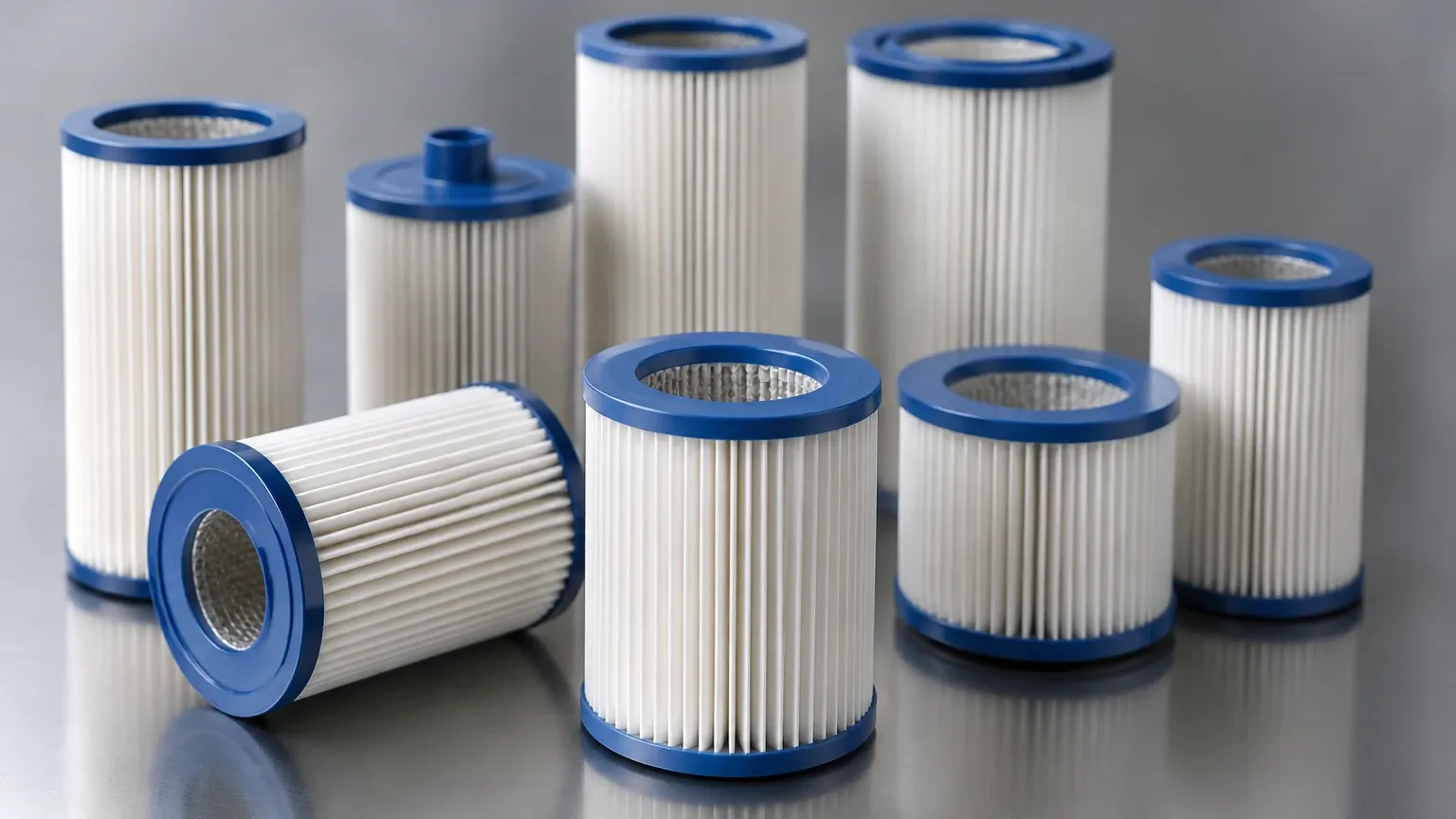
Namco pool filter cartridges typically utilize a pleated design, which is a fundamental engineering strategy to maximize surface area within a compact cylindrical footprint. The core of these filters is usually constructed from a rigid plastic or composite material, providing the structural integrity necessary to withstand the hydraulic pressure of the circulating water.
Media Composition
Most standard pool cartridges employ a non-woven polyester fabric. This material is chosen for its balance of permeability and particle retention. From a technical standpoint, the "reemay" or similar spun-bond polyester offers a multi-directional fiber orientation that traps debris through both surface filtration and a limited degree of depth filtration.
Pleat Density and Surface Area
The efficiency of a filter is often measured by its effective filtration area (EFA). In namco pool filter cartridges, the number of pleats and the depth of each pleat determine the total square footage of the media. A higher EFA allows for a lower "face velocity" (the speed at which water passes through the media), which improves the capture rate of fine particulates and reduces the rate of pressure increase across the filter.
Performance Metrics: Micron Ratings and Flow Rates
When evaluating filtration components, engineers focus on two primary variables: the micron rating and the flow rate capacity.
Nominal vs. Absolute Filtration
Standard pool filter cartridges generally provide nominal filtration, typically ranging from 10 to 20 microns. In a nominal rating, the filter is expected to trap a significant percentage (often 60% to 80%) of particles at the specified size. For residential pools, this is sufficient to remove visible turbidity. However, in industrial or high-load commercial settings, the lack of an absolute micron rating can lead to the passage of fine contaminants that may interfere with downstream equipment or chemical sensors.
Hydraulic Resistance and PSID
The pressure drop across a filter, measured as Pounds per Square Inch Differential (PSID), is a key indicator of filter health. As namco pool filter cartridges accumulate debris, the available flow paths through the polyester media become restricted, leading to an increase in PSID. Engineers must monitor this differential to determine the optimal cleaning or replacement cycle. Operating a system with an excessively high PSID can lead to "media migration" or structural failure of the cartridge core, allowing unfiltered water to bypass the system.
Material Compatibility in Chemically Treated Water
Aquatic environments are chemically complex. The presence of chlorine, bromine, ozone, and various pH adjusters creates a corrosive environment for many materials.
Chemical Resistance of Polyester
Polyester media is generally resistant to the concentrations of chlorine found in standard swimming pools. However, exposure to high-dose shock treatments or extreme pH imbalances can lead to the degradation of the synthetic fibers. Over time, this degradation manifests as "fuzzing" of the media, which increases the likelihood of clogging and reduces the effectiveness of manual cleaning.
The Industrial Alternative: Stainless Steel
In applications where chemical concentrations are higher or where the water temperature exceeds the operating limits of synthetic polymers, industrial-grade stainless steel Filter Cartridges are often preferred. Stainless steel (typically 304 or 316L) provides superior resistance to oxidative stress and maintains structural integrity at much higher temperatures and pressures than standard namco pool filter cartridges.
Maintenance and Total Cost of Ownership (TCO)
The economic evaluation of filtration systems must go beyond the initial purchase price of the cartridge. For facility managers, the Total Cost of Ownership (TCO) includes labor for cleaning, water loss during the cleaning process, and the frequency of replacement.
Cleaning Cycles
Namco pool filter cartridges are designed to be cleaned by rinsing with a pressurized water stream. While effective for removing large debris, this process does not always remove fine oils or calcium deposits that become embedded in the polyester fibers. Over several cycles, the "clean" pressure drop of the filter will gradually rise, eventually necessitating a chemical soak or complete replacement.
Durability and Replacement Frequency
Under typical residential conditions, a standard cartridge may last one to two years. In a commercial or industrial context, where the bather load or particulate intake is significantly higher, the lifespan may be reduced to months. In these scenarios, the labor costs associated with frequent cartridge changes often justify an investment in more durable, cleanable metal filtration solutions that can be backwashed or ultrasonically cleaned for a much longer service life.
Engineering Considerations for System Upgrades
When a facility outgrows the capabilities of standard namco pool filter cartridges, several engineering factors must be considered during the upgrade process to ensure compatibility and performance.
1. Housing Compatibility: Most industrial stainless steel filters are designed for specific housing geometries (e.g., DOE – Double Open End, or Code 7). If upgrading a system designed for pool cartridges, custom adapters or new filter vessels may be required.
2. Flow Dynamics: Industrial filters often have different flow characteristics. It is essential to ensure that the pump's head pressure is sufficient to overcome the clean pressure drop of a more restrictive, higher-efficiency media.
3. Filtration Fineness: If the goal of the upgrade is to achieve clearer water (e.g., for UV sterilization pre-treatment), selecting a filter with a lower micron rating is necessary. However, this must be balanced against the increased frequency of cleaning required for finer media.
When to Choose Industrial-Grade Filter Cartridges
While namco pool filter cartridges are highly effective for their intended use in residential and light-duty applications, they may not be the optimal choice for demanding industrial environments. Engineers should consider high-performance Filter Cartridges under the following conditions:
* High Temperature Processing: When water temperatures exceed 140°F (60°C), where synthetic media begins to soften or lose structural tension.
* Aggressive Chemical Exposure: In systems using high-concentration ozone or specialized industrial solvents that can dissolve or weaken polyester.
* High Pressure Differentials: In systems where the pump pressure exceeds the crush strength of standard plastic-core cartridges.
* Requirement for Absolute Filtration: When downstream processes (such as membrane filtration or high-precision nozzles) require a guaranteed particle retention rate.
Conclusion: Optimizing Aquatic Filtration
Selecting the right filtration component is a balance of performance, durability, and cost. Namco pool filter cartridges provide a reliable, cost-effective solution for standard pool maintenance, leveraging pleated media technology to deliver clear water for recreational use. However, as the complexity of the water treatment task increases, the limitations of synthetic media become more apparent.
For engineers and technical professionals, understanding the material science and hydraulic principles of these cartridges is the first step in optimizing a filtration system. Whether maintaining a standard pool or designing a complex industrial water loop, the choice of filter media remains the most critical factor in achieving long-term water quality and system efficiency. By evaluating the specific needs of the application—including micron requirements, chemical compatibility, and maintenance cycles—operators can make informed decisions that ensure their filtration systems perform reliably under all conditions.
