


4 Diameter Filter
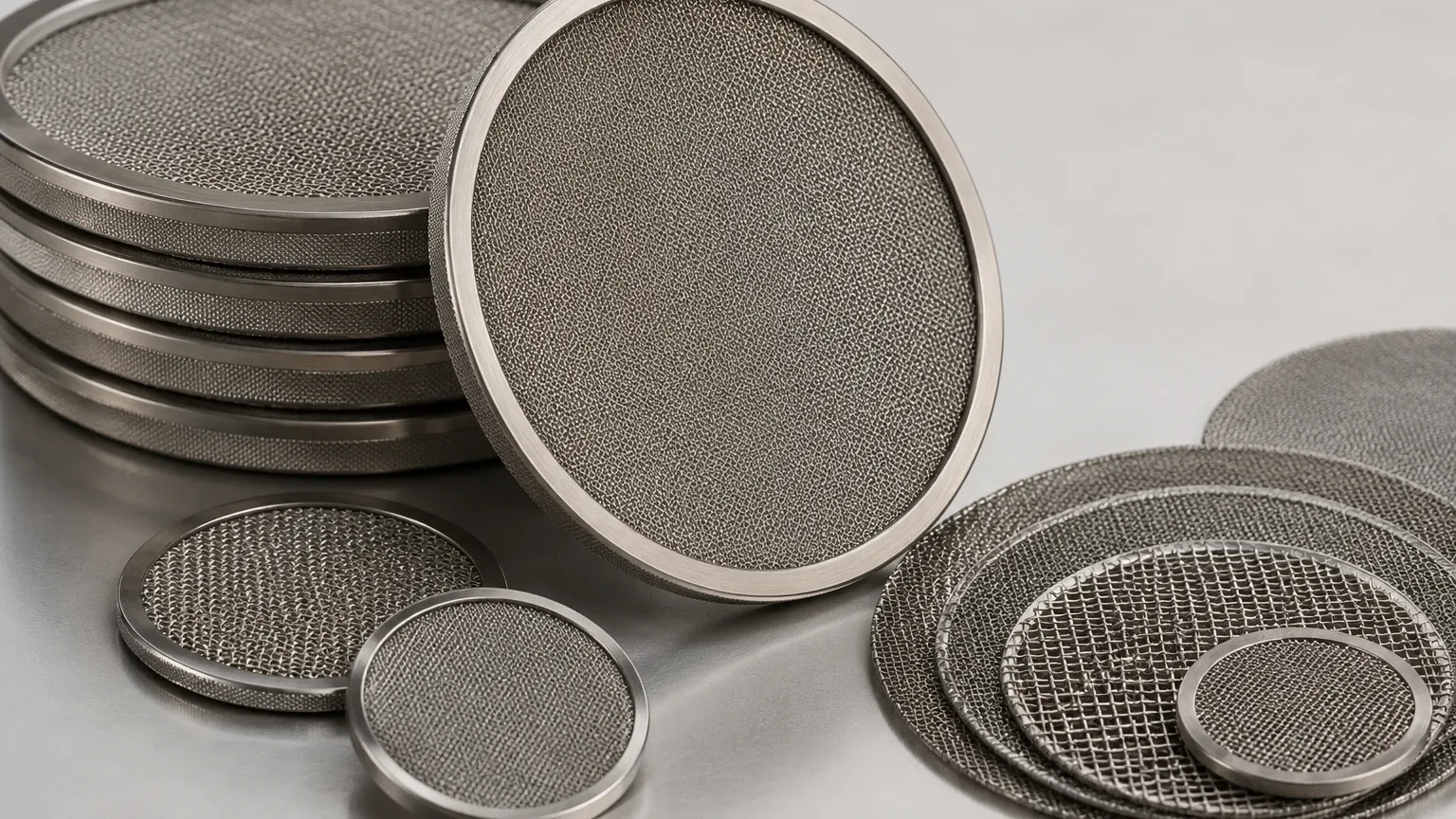
In industrial filtration, the 4-inch diameter specification represents one of the most widely utilized dimensions for circular filtration components. Whether employed in plastic extrusion, chemical processing, or hydraulic systems, a 4 diameter filter serves as a critical barrier against contaminants, ensuring the purity of the medium and the protection of downstream equipment. Selecting the correct Filter Discs & Packs requires a deep understanding of material properties, weave patterns, and the mechanical stresses inherent in high-pressure industrial environments.
For engineers and procurement professionals, the 4-inch (approximately 101.6 mm) format is a standard that balances surface area with structural integrity. At this size, the filter must withstand significant differential pressure while maintaining precise aperture dimensions. This article examines the technical considerations, material selections, and engineering standards necessary for optimizing the performance of 4-inch diameter filtration components.
Technical Anatomy of Filter Discs & Packs
Industrial filter discs are rarely simple pieces of wire mesh. They are engineered components designed to meet specific flow and retention requirements. When specifying a 4 diameter filter, the construction method significantly impacts its service life and efficiency.
Single-Layer vs. Multi-Layer Construction
Single-layer discs are typically used in low-pressure applications or as pre-filters. However, most industrial processes require multi-layer filter packs. These packs consist of several layers of wire mesh with varying micron ratings, often arranged in a symmetrical or graduated density sequence.
In a typical multi-layer 4-inch pack, the layers might include:
* Support Mesh: A coarse, heavy-gauge wire mesh that provides mechanical strength to the pack, preventing the finer layers from deforming under pressure.
* Filtration Mesh: The core layer responsible for the actual particle retention. This layer is selected based on the required micron rating.
* Drainage/Protective Mesh: Layers that facilitate even flow distribution across the filtration surface and protect the fine mesh from abrasion during installation or cleaning.
Bonding and Edging Techniques
To ensure the integrity of a 4 diameter filter, individual layers must be secured. Common methods include:
* Spot Welding: Multiple points are welded to keep layers aligned. This is cost-effective but may leave edges exposed.
* Rimmed Edges: The circumference of the disc is bound with a metal rim (typically aluminum, stainless steel, or copper). This prevents bypass of the fluid at the edges and provides a better seal within the housing.
* Sintering: For the most demanding applications, layers are diffusion-bonded in a vacuum furnace. Sintered packs offer the highest mechanical stability and are virtually impossible to delaminate.
Material Selection for 4-Inch Filtration Components
The chemical and thermal environment of the application dictates the material choice. For a 4 diameter filter, stainless steel is the industry standard due to its durability and resistance to corrosion.
Stainless Steel 304
SS304 is the most common material for general industrial use. It offers good corrosion resistance to most oxidizing acids and is suitable for food and beverage applications. It is an economical choice for environments where extreme chemical resistance is not required.
Stainless Steel 316 and 316L
For more aggressive environments, such as chemical processing or marine applications, SS316 is preferred. The addition of molybdenum increases resistance to pitting and crevice corrosion in chloride-rich environments. SS316L (low carbon) is utilized when welding is required, as it minimizes the risk of intergranular corrosion.
Specialty Alloys
In high-temperature or highly corrosive settings, filters may be manufactured from Hastelloy, Monel, or Inconel. These materials are often specified for 4-inch diameter discs used in the aerospace and petrochemical industries where standard stainless steel would fail prematurely.
Engineering Considerations: Weave Types and Micron Ratings
The performance of a 4 diameter filter is largely determined by the geometry of the wire mesh weave. Each weave type offers a different balance of flow rate, strength, and filtration accuracy.
Plain Weave
The simplest weave where each warp wire crosses over and under each weft wire. It provides high flow rates and is easy to clean, making it suitable for 4-inch discs used in primary filtration stages.
Dutch Weave (Plain and Twill)
Dutch weaves utilize a higher density of finer wires in one direction. This creates a tortuous path for the fluid, allowing for much finer filtration (down to 5-10 microns) while maintaining high mechanical strength. A 4-inch Dutch weave disc is ideal for high-pressure hydraulic systems or fine polymer filtration.
Twill Weave
In a twill weave, wires pass over two and under two, allowing for a heavier wire diameter than plain weave for a given mesh count. This is often used in 4 diameter filters that require extra durability against mechanical vibration or heavy particulate loading.
Performance Metrics for 4 Diameter Filters
When evaluating a filter for a specific application, engineers must look beyond the physical dimensions. Several key performance indicators (KPIs) determine the suitability of the component.
Micron Rating: Nominal vs. Absolute
* Nominal Rating: Represents the ability of the filter to retain a majority of particles of a certain size (usually 60-90%). It is a general guide rather than a strict guarantee.
* Absolute Rating: Refers to the diameter of the largest hard spherical particle that will pass through the filter under specified test conditions. For critical applications, such as pharmaceutical or fine chemical production, absolute-rated 4-inch discs are mandatory.
Differential Pressure (ΔP)
The pressure drop across the filter is a critical factor. A 4 diameter filter with an overly dense mesh may cause an excessive pressure drop, leading to system inefficiency or pump strain. Engineers must calculate the "clean pressure drop" and establish a "terminal pressure drop" at which the filter must be cleaned or replaced.
Dirt Holding Capacity
This refers to the total mass of contaminants the filter can retain before the pressure drop reaches the terminal limit. In a 4-inch format, maximizing dirt-holding capacity often involves using pleated designs or multi-layered packs that distribute the load across multiple mesh depths.
Applications of 4-Inch Diameter Filters
The versatility of the 4-inch diameter makes it a staple in several major industrial sectors.
Plastic and Polymer Extrusion
In the plastics industry, 4-inch filter packs (often called screen packs) are used to remove unmelted resins and foreign particles from the polymer melt. These filters must operate under extreme temperatures (up to 300°C) and pressures (up to 5000 psi). The 4-inch size is standard for many medium-sized extruders.
Hydraulic and Lubrication Systems
Hydraulic systems rely on clean oil to prevent wear on valves and actuators. A 4 diameter filter is frequently used in return line filters or suction strainers to capture wear debris and environmental contaminants.
Chemical and Petrochemical Processing
From catalyst recovery to the filtration of aggressive solvents, stainless steel 4-inch discs provide the necessary chemical compatibility and thermal stability. They are often used in duplex filter housings where one filter can be serviced while the other remains in operation.
Food and Beverage
In this sector, the focus is on hygiene and cleanability. 4-inch stainless steel mesh discs are used to strain particulates from juices, syrups, and oils. The use of SS316L ensures that the filter does not impart any metallic taste or react with acidic food products.
Customization and OEM Requirements
While 4 inches is a standard diameter, the specific requirements of an OEM (Original Equipment Manufacturer) system often necessitate customization. Standard off-the-shelf discs may not meet the exacting tolerances required for high-performance machinery.
Precision Tolerances
For automated filter changers used in extrusion, the diameter of the disc must be precise. A deviation of even 0.5 mm can lead to leaks or mechanical jams. Professional manufacturers utilize precision die-cutting or laser-cutting technologies to ensure that every 4 diameter filter meets strict dimensional tolerances.
Specialized Layering
Depending on the viscosity of the fluid and the nature of the contaminants, a custom sequence of mesh layers may be required. For example, a 4-inch pack might require a fine 20-micron layer sandwiched between two 100-mesh support layers to prevent the fine mesh from migrating or "blind-off."
Identification and Traceability
In regulated industries like pharmaceuticals or aerospace, each filter pack may require laser marking for traceability. This includes material grade, micron rating, and batch numbers, ensuring that the correct filter is always used during maintenance cycles.
Maintenance and Replacement Cycles
The total cost of ownership for filtration is heavily influenced by the replacement cycle. A 4 diameter filter that is properly specified will have a predictable service life.
Monitoring Pressure Drop
The most reliable way to determine when a filter needs attention is by monitoring the differential pressure. Once the ΔP reaches a pre-defined threshold, the filter is either cleaned (if it is a reusable stainless steel mesh) or replaced.
Cleaning Methods
Stainless steel 4-inch discs can often be cleaned and reused, which reduces waste and long-term costs. Common cleaning methods include:
* Ultrasonic Cleaning: High-frequency sound waves create cavitation bubbles that dislodge particles from deep within the mesh.
* Burn-off (Pyrolysis): Used primarily in the plastics industry to remove hardened polymer residues.
* Chemical Cleaning: Soaking the filters in specialized solvents or acids to dissolve contaminants without damaging the stainless steel substrate.
Conclusion for Procurement and Engineering Teams
Selecting a 4 diameter filter involves more than just matching a dimension. It requires a holistic view of the filtration process, including the physical properties of the fluid, the required cleanliness levels, and the mechanical constraints of the system. By choosing high-quality Filter Discs & Packs, industrial operators can ensure process stability, protect expensive machinery, and optimize their total filtration costs.
When sourcing these components, it is essential to partner with a manufacturer that understands the nuances of wire mesh engineering. From selecting the right stainless steel grade to designing a multi-layer pack that can withstand high-pressure differentials, technical expertise is the key to achieving efficient and durable filtration performance.
