


How Long Does a Zero Filter Last
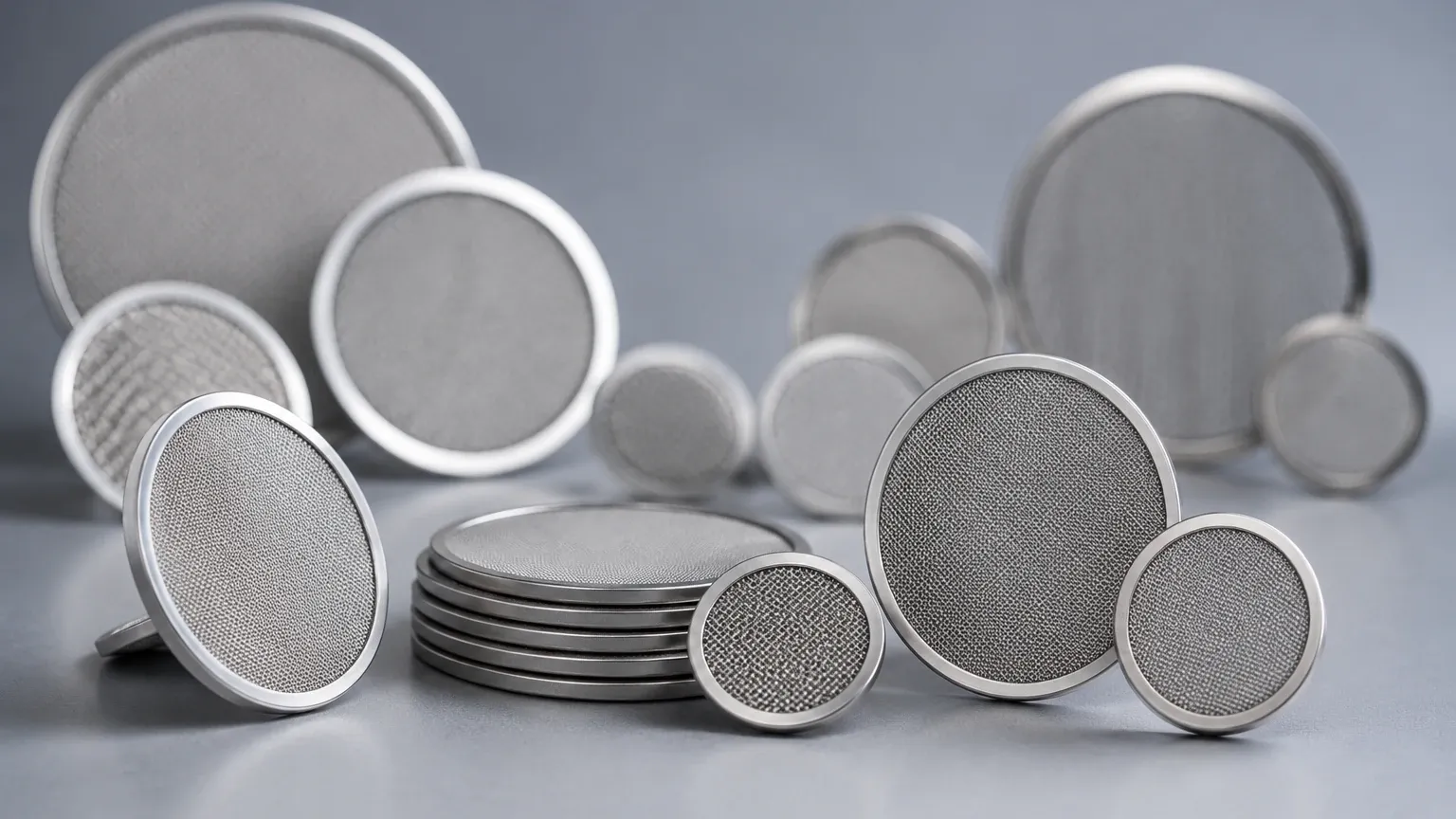
In industrial filtration, the term "zero filter" typically refers to high-precision systems designed to achieve near-zero particulate bypass or absolute filtration ratings. For engineers and procurement teams managing complex fluid systems, the question of how long does a zero filter last is not answered by a simple date on a calendar. Instead, the service life of these critical components—specifically high-performance Filter Discs & Packs—is determined by a confluence of material science, fluid dynamics, and operational maintenance protocols.
Understanding the longevity of industrial filtration components is essential for optimizing uptime and reducing the total cost of ownership (TCO). Unlike disposable consumer filters, industrial stainless steel filtration solutions are engineered for durability, yet they are still subject to the physical realities of particulate loading and mechanical stress.
Understanding the Lifespan of High-Precision Filtration Systems
The lifespan of an industrial filter is defined as the duration it can maintain its specified filtration efficiency and flow rate before the differential pressure ($ΔP$) reaches a terminal level. When discussing how long does a zero filter last in a B2B context, we must differentiate between "service life" (the time between cleaning cycles) and "total life" (the time before the filter media suffers permanent mechanical failure).
For precision metal filters, such as those used in polymer melt filtration or chemical processing, the service life is highly variable. A filter might last anywhere from a few days in a high-contaminant environment to several months in a polished fluid system. The total life of a stainless steel filter pack, however, can often span several years if the media is properly cleaned and regenerated.
The Role of Material Integrity in Filter Longevity
The material construction of Filter Discs & Packs is the primary factor in determining their resistance to the environment. Kaifil utilizes advanced stainless steel alloys, such as 304, 316L, and even 904L or Hastelloy for extreme conditions, to ensure that the filter does not succumb to premature failure.
Corrosion Resistance
In chemical and pharmaceutical applications, the chemical compatibility of the filter media with the process fluid is paramount. If a filter is not properly matched to the acidity or alkalinity of the fluid, micro-corrosion can compromise the wire mesh openings. This leads to a phenomenon known as "media migration," where the filter itself begins to shed particles, effectively ending its useful life.
Thermal Stability
Industrial processes often involve extreme temperatures. Stainless steel filter packs are chosen for their ability to maintain structural integrity at temperatures where polymer-based filters would melt or deform. However, repeated thermal cycling can lead to metal fatigue. High-quality sintered mesh and reinforced disc designs are engineered to withstand these stresses, significantly extending the answer to how long does a zero filter last in high-heat applications.
Operational Variables Affecting Filter Service Life
To accurately predict how long a filter will remain operational, engineers must analyze the specific variables of their application. No two industrial environments are identical, and even minor changes in process parameters can drastically alter filtration longevity.
Particulate Loading and Distribution
The concentration of contaminants in the influent is the most direct driver of filter clogging. However, it is not just the quantity of particles, but their size distribution and morphology. "Hard" particles (like metal shavings) may form a porous filter cake that actually assists in filtration, while "soft" or "gel-like" particles (common in food processing or polymer production) can quickly blind the surface of the mesh, causing a rapid spike in differential pressure.
Flow Velocity and Viscosity
High flow velocities increase the impact force of particles against the filter media. In high-viscosity fluids, the base resistance of the filter is already higher, meaning there is less "room" for particulate buildup before the terminal pressure limit is reached. Properly sizing the surface area of Filter Discs & Packs is the most effective way to mitigate these factors and extend the service interval.
Monitoring Performance: Differential Pressure and Flow Rate
In a professional B2B environment, the determination of how long does a zero filter last is made through real-time data monitoring. The two most critical metrics are differential pressure and downstream flow rate.
1. Clean Pressure Drop: This is the baseline resistance of a new or freshly cleaned filter. If the clean pressure drop begins to rise over subsequent cleaning cycles, it indicates "permanent blinding," where particles are lodged so deeply within the mesh that they cannot be removed.
2. Terminal Pressure Drop: Every system has a maximum allowable pressure. Once the filter reaches this limit, it must be pulled for cleaning or replacement. Operating beyond this point risks "blow-through," where the pressure forces contaminants through the media, or structural collapse of the filter pack.
By plotting the rate of pressure increase, maintenance teams can move from reactive replacement to a predictive maintenance model, ensuring that the filter is serviced exactly when needed to prevent process downtime.
Cleaning and Reuse: Extending the Service Life of Metal Filter Packs
One of the greatest advantages of stainless steel Filter Discs & Packs is their ability to be regenerated. This capability fundamentally changes the calculation of how long does a zero filter last compared to disposable alternatives.
Ultrasonic Cleaning
For precision wire mesh, ultrasonic cleaning is often the gold standard. High-frequency sound waves create cavitation bubbles that dislodge microscopic contaminants from the depths of the weave. This process can return a filter to nearly 99% of its original flow capacity.
Chemical Cleaning and Burn-off
In industries like polymer extrusion, filters often become clogged with hardened resins. Chemical baths or controlled pyrolysis (burn-off ovens) can remove these organic contaminants without damaging the stainless steel structure. However, each cleaning cycle slightly stresses the metal. A high-quality filter pack from a manufacturer like Kaifil is typically designed to withstand 10 to 20 of these intensive cleaning cycles, depending on the severity of the process.
Application-Specific Lifespan Expectations
To provide actionable information for engineers, we can look at typical lifespan ranges across different industrial sectors:
* Chemical Processing: In continuous flow systems with corrosive fluids, filter packs may last 3–6 months between deep cleanings, with a total replacement cycle of 2–3 years.
* Food and Beverage: Due to strict hygiene requirements and Clean-in-Place (CIP) protocols, filters are often cleaned daily or weekly. The mechanical durability of the mesh is the limiting factor here, often lasting 12–18 months of intensive use.
* Hydraulic Systems: In closed-loop hydraulic systems where the fluid is relatively clean, a high-precision metal filter can last several years, provided it is protected from extreme pressure surges.
* Pharmaceutical Production: Longevity is often dictated by batch protocols. Filters are typically replaced or validated after every batch to ensure zero cross-contamination, regardless of the physical state of the mesh.
How to Optimize Filter Selection for Maximum Life
When purchasing Filter Discs & Packs, several engineering choices can be made to maximize the answer to how long does a zero filter last:
* Pleated vs. Flat Discs: Pleating the filter media significantly increases the available surface area within the same footprint. More surface area directly correlates to a lower face velocity and a much longer time to reach terminal pressure drop.
* Multi-Layer Sintered Mesh: Using a graded pore structure—where a coarser outer layer protects a finer inner filtration layer—prevents surface blinding and allows for deeper particulate loading.
* Reinforced Edges: For high-pressure applications, adding a specialized rim or frame to the filter disc prevents bypass and protects the delicate mesh edges from mechanical wear during installation and removal.
Conclusion: The Total Cost of Ownership Perspective
When evaluating how long does a zero filter last, it is important to look beyond the initial purchase price. A low-cost, lower-quality filter may require more frequent replacement, lead to higher energy costs due to rapid pressure increases, and risk downstream equipment damage through particulate bypass.
By investing in high-quality stainless steel Filter Discs & Packs, industrial operators gain the benefits of predictable performance, multiple cleaning cycles, and superior mechanical strength. Kaifil’s expertise in custom filtration solutions ensures that every component is tailored to the specific demands of the application, maximizing service life and ensuring that "zero bypass" remains a reality for the long term.
For engineers looking to optimize their filtration intervals, the focus should remain on proper sizing, material compatibility, and a robust cleaning regimen. These factors, more than any other, will determine the true longevity of your industrial filtration system.
