


Q Filters
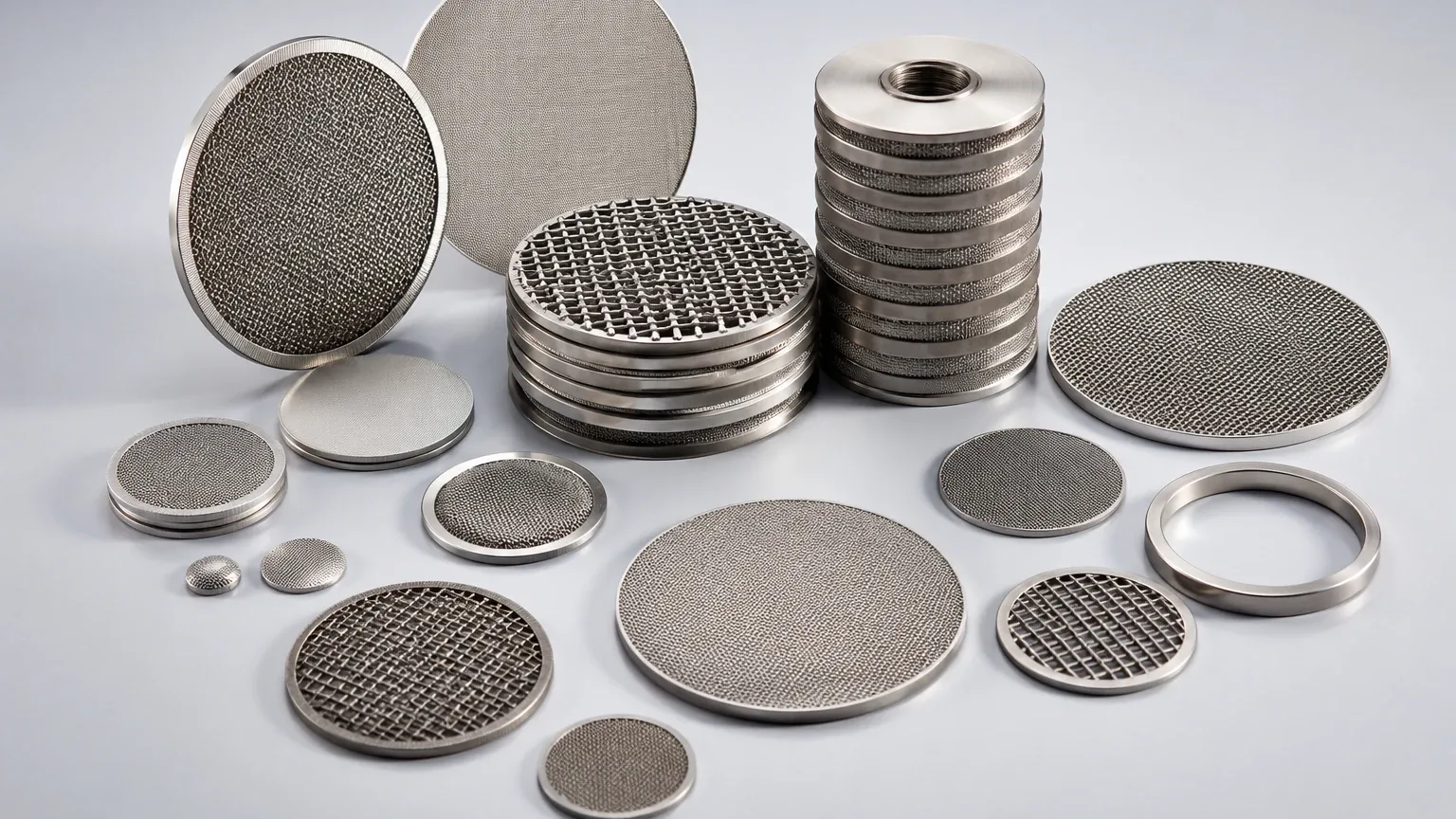
In the landscape of industrial filtration, the term "q filters" is often used by engineers and procurement specialists to denote high-quality, high-precision filtration elements designed for demanding environments. Whether the "Q" refers to a specific performance quotient, a quality standard, or a proprietary designation within a system, these components are fundamental to maintaining the purity of fluids and gases in critical processes. At the core of these solutions are Filter Discs & Packs, which provide the mechanical strength and fine micron ratings necessary for high-pressure and high-temperature applications.
Selecting the right filtration component requires a deep understanding of material science, fluid dynamics, and the specific mechanical stresses of the application. This guide explores the technical foundations of high-performance filters, the engineering considerations behind their design, and the criteria that define a truly "quality" filtration solution.
Understanding Q Filters in Industrial Filtration
Industrial filtration is rarely a one-size-fits-all endeavor. The term q filters encompasses a range of precision-engineered metal mesh components that are utilized when standard polymer or paper filters fail to meet the required durability or chemical resistance. These filters are typically constructed from stainless steel wire mesh, which allows them to operate in environments where extreme temperatures, corrosive chemicals, and high differential pressures are the norm.
For engineers, the "Q" aspect represents the reliability of the filtration media. In sectors like polymer extrusion or chemical processing, a single failure in a filter pack can lead to significant downtime, equipment damage, and product contamination. Therefore, q filters are defined by their consistency in mesh opening size, their structural integrity under load, and their ability to be manufactured to exacting tolerances.
Material Engineering and Construction of Filter Discs & Packs
The performance of any filter disc or pack is dictated by its construction. Stainless steel remains the material of choice due to its versatility and resistance to oxidation. Common grades include 304, 316, and 316L, with the latter being preferred for pharmaceutical and food-grade applications where carbon precipitation must be minimized during welding.
Wire Mesh Weave Types
The geometry of the weave determines the filtration characteristics. Common weave types found in high-performance Filter Discs & Packs include:
* Plain Weave: The simplest form where wires cross over and under each other. It offers high flow rates but is generally limited to coarser filtration tasks.
* Dutch Weave: This weave uses larger diameter warp wires and smaller diameter shute (weft) wires. This creates a dense, strong mesh capable of very fine filtration and high mechanical strength, ideal for high-pressure q filters.
* Twill Weave: Each shute wire passes successively over and under two warp wires. This allows for a heavier wire diameter than a plain weave of the same mesh count, providing increased durability for fine filtration.
Layering and Bonding
To achieve specific filtration goals, multiple layers of mesh are often combined into a single pack. A typical multi-layer pack might include a fine filtration layer protected by coarser support layers on both sides. These layers can be joined through several methods:
1. Spot Welding: Individual layers are welded at specific points to maintain alignment. This is cost-effective for lower-pressure applications.
2. Aluminum or Copper Edging: The layers are bound together by a metal rim. This provides a clean, burr-free edge that ensures a tight seal within the filter housing, preventing bypass.
3. Sintering: The layers are bonded together through a heat and pressure process without the use of binders. Sintered packs offer the highest level of structural integrity and are virtually immune to layer separation under high differential pressure.
Critical Performance Metrics for High-Precision Applications
When evaluating q filters, engineers must look beyond the nominal micron rating. Several key performance indicators (KPIs) determine the efficiency and lifespan of the filter in a B2B industrial context.
1. Filtration Accuracy (Micron Rating)
Filtration accuracy is categorized as either nominal or absolute. Nominal ratings refer to the ability of the filter to retain a certain percentage (usually 60-90%) of particles of a given size. Absolute ratings, often required for high-precision q filters, indicate the size of the largest particle that can pass through the mesh under laboratory conditions. For critical applications, understanding the pore size distribution is essential to ensure consistent output quality.
2. Pressure Drop (ΔP)
The pressure drop is the difference in pressure between the upstream and downstream sides of the filter. A high initial pressure drop reduces the available energy for the process and shortens the filter's service life. High-quality Filter Discs & Packs are designed to maximize the open area of the mesh, ensuring the lowest possible resistance to flow while maintaining the required filtration level.
3. Dirt Holding Capacity
This metric defines how much contaminant a filter can retain before the pressure drop reaches a critical limit. In continuous processes, such as melt filtration, a higher dirt holding capacity directly translates to longer intervals between filter changes, reducing the total cost of ownership.
4. Mechanical Strength and Stability
In hydraulic systems or polymer extrusion, filters are subjected to intense mechanical stress. The mesh must resist deformation and "media migration" (where parts of the filter itself break off and enter the process stream). Sintered or reinforced Filter Discs & Packs are specifically engineered to withstand these stresses without compromising the pore structure.
Industry-Specific Applications for Q Filters
The versatility of stainless steel mesh allows q filters to be deployed across a wide array of industrial sectors. Each industry has unique requirements that dictate the design of the filter pack.
Polymer and Plastic Extrusion
In the production of synthetic fibers, films, and resins, filters are used to remove gels and impurities from the molten polymer. These filters must operate at temperatures exceeding 300°C and pressures up to 300 bar. Multi-layer Filter Discs & Packs are standard here, often featuring a combination of Dutch weave and plain weave layers to manage the high viscosity of the melt.
Chemical and Petrochemical Processing
Corrosion resistance is the primary concern in chemical processing. Q filters made from 316L stainless steel or specialty alloys (like Hastelloy) are used to filter catalysts, solvents, and intermediate chemical products. The ability of metal filters to be cleaned and reused makes them a sustainable choice compared to disposable cartridges.
Pharmaceutical and Food & Beverage
In these industries, the focus is on hygiene and precise particle separation. Filters must be free of lubricants, burrs, and contaminants from the manufacturing process. The use of edged filter discs ensures that no loose wires enter the product stream, meeting stringent safety standards.
Hydraulic and Lubrication Systems
Precision hydraulic systems require ultra-clean oil to prevent wear on valves and actuators. Q filters are used as "last chance" filters or as part of a recirculating filtration system to maintain ISO cleanliness codes. Their rigid structure ensures they do not collapse during cold starts or pressure spikes.
Selection Criteria: Optimizing Performance and Cost
Choosing the right q filters involves balancing technical requirements with economic realities. Procurement teams and engineers should collaborate to answer the following questions before finalizing a specification:
* What is the fluid's viscosity at operating temperature? High-viscosity fluids require larger surface areas or coarser support meshes to prevent excessive pressure drops.
* What is the nature of the contaminant? Hard, angular particles require different mesh geometries than soft, deformable gels.
* Is the filter a consumable or a reusable component? While stainless steel filters have a higher upfront cost than paper or polymer, their ability to be ultrasonically cleaned or chemically backwashed can lead to significant long-term savings.
* Are there specific housing constraints? Customization is often necessary to ensure the filter disc fits perfectly within existing machinery. OEM-level customization allows for variations in diameter, thickness, and edging materials to match specific equipment requirements.
Quality Control and Manufacturing Standards
The "Q" in q filters is ultimately a reflection of the manufacturer's quality control processes. For industrial-grade Filter Discs & Packs, quality is verified through several stages:
1. Material Verification: Using PMI (Positive Material Identification) to ensure the stainless steel grade matches the specification.
2. Mesh Inspection: Using digital microscopy to verify wire diameter and mesh count, ensuring no defects or irregularities in the weave.
3. Bubble Point Testing: A standard method to determine the pore size of the filter media, ensuring it meets the required micron rating.
4. Cleanliness Standards: Ensuring the finished products are free from manufacturing oils and particulate matter, often involving ultrasonic cleaning and specialized packaging.
Maintenance and Longevity of Metal Filter Components
One of the primary advantages of metal q filters is their durability. However, maximizing their lifespan requires proper handling and maintenance. In many applications, Filter Discs & Packs can be cleaned and returned to service multiple times.
* Cleaning Methods: Depending on the contaminant, filters can be cleaned using ultrasonic baths, high-pressure water jets, or chemical solvents. In the polymer industry, pyrolysis (burn-off) ovens are often used to remove residual plastic from the mesh.
* Inspection After Cleaning: It is critical to inspect the mesh after cleaning to ensure no damage occurred. A simple bubble point test can confirm if the filtration integrity remains intact.
* Replacement Cycles: Even with cleaning, metal filters eventually succumb to mechanical fatigue or permanent clogging (blinding). Establishing a replacement cycle based on the number of cleaning iterations or a baseline increase in clean pressure drop is essential for process stability.
Conclusion
In the world of industrial manufacturing, q filters represent the intersection of precision engineering and rugged durability. By utilizing high-quality Filter Discs & Packs, businesses can ensure their processes remain efficient, their equipment stays protected, and their end products meet the highest standards of purity. Whether you are managing a high-pressure polymer extrusion line or a sensitive pharmaceutical process, the selection of the correct mesh weave, material, and construction method is the key to optimized filtration performance. By focusing on technical specifications and long-term reliability rather than just initial cost, engineers can implement filtration solutions that truly stand the test of time.
