


Wide Mouth Synthetic Filter Discs
In industrial and laboratory filtration, the selection of the correct media format is critical for maintaining process integrity and achieving specific particulate separation goals. Wide mouth synthetic filter discs represent a specialized category of filtration components designed for high-efficiency gas exchange and liquid clarification. These components are frequently utilized in applications requiring precise micron ratings, hydrophobic properties, and compatibility with wide-diameter vessel interfaces.
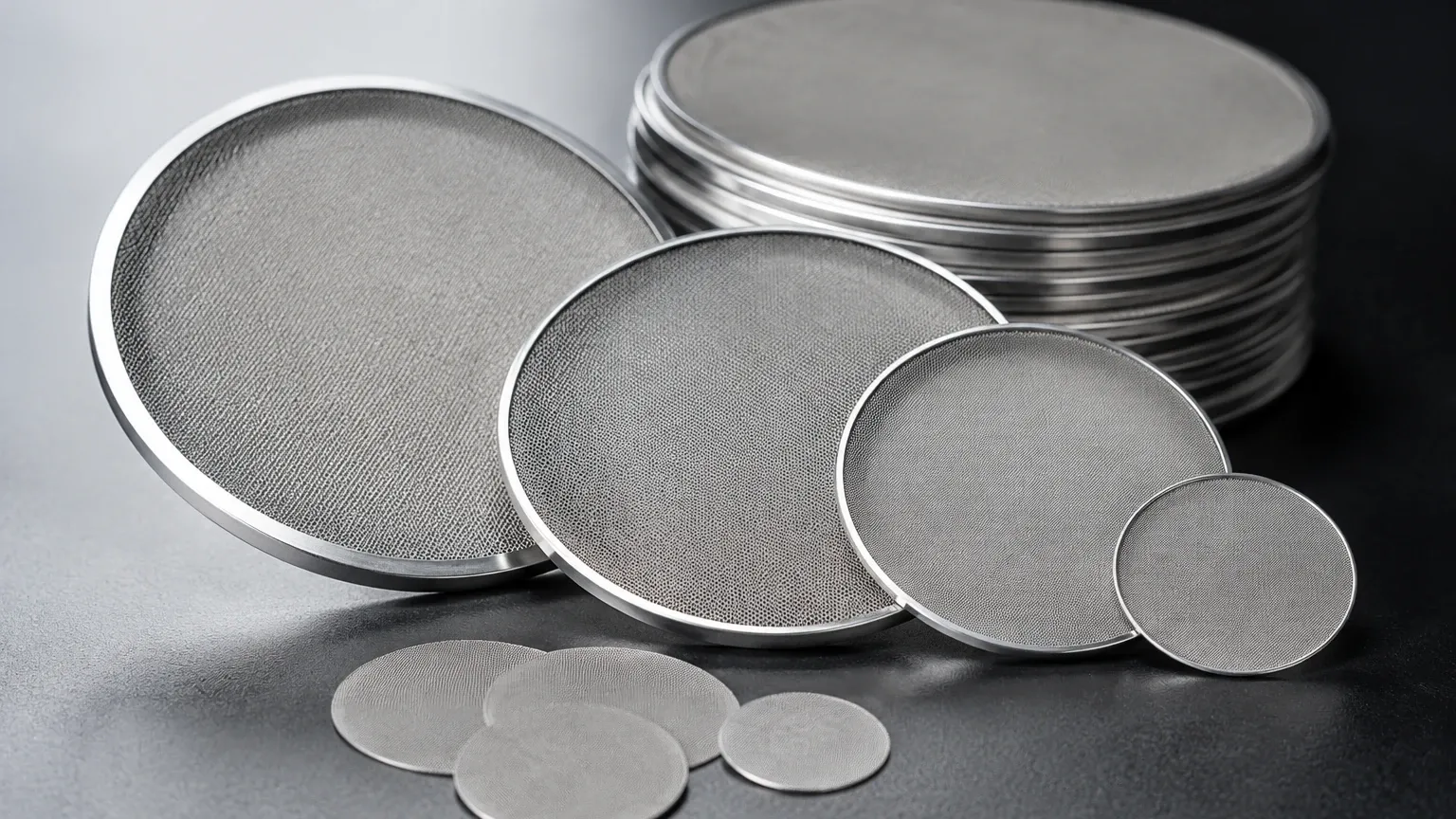
While traditional Filter Discs & Packs often utilize stainless steel wire mesh for high-pressure and high-temperature environments, synthetic variants—typically composed of polymers like PTFE (Polytetrafluoroethylene) or Polypropylene—serve niche requirements in chemical processing, mycology, and sterile venting. Understanding the engineering nuances of these discs is essential for procurement teams and systems engineers tasked with optimizing filtration performance.
Technical Composition and Material Science
Wide mouth synthetic filter discs are engineered from advanced polymers that offer distinct advantages over organic or metallic fibers in specific chemical environments. The term "wide mouth" typically refers to the disc's diameter, which is optimized for standard industrial wide-neck containers, reactors, or specialized laboratory vessels, generally ranging from 70mm to 120mm or larger.
Polymeric Media Options
1. PTFE (Polytetrafluoroethylene): Known for its extreme chemical inertness and naturally hydrophobic nature. PTFE discs are the industry standard for sterile venting and gas exchange because they repel moisture while allowing air to pass. They are highly resistant to acids, bases, and solvents.
2. Polypropylene (PP): A cost-effective alternative for liquid filtration and general-purpose gas exchange. PP is resistant to many chemical solvents but has lower thermal thresholds compared to PTFE.
3. Synthetic Blends: Some discs utilize a combination of synthetic fibers to balance tensile strength with filtration efficiency, often incorporating a support layer to prevent media migration under pressure.
Structural Integrity
Unlike woven wire mesh used in heavy-duty Filter Discs & Packs, synthetic discs often utilize a non-woven or membrane structure. This allows for a much tighter pore distribution, often reaching sub-micron levels (e.g., 0.22μm or 0.45μm), which is necessary for achieving HEPA-grade air filtration or bacterial retention.
Key Engineering Evaluation Criteria
When specifying wide mouth synthetic filter discs for an industrial process, engineers must look beyond simple diameter measurements. The following performance metrics dictate the success of the filtration system:
1. Gas Exchange Rate and Airflow
In applications like aerobic fermentation or specialized cultivation, the disc must allow for sufficient oxygen intake and carbon dioxide exhaust. This is measured as the airflow rate at a specific differential pressure (e.g., L/min at 10 psi). If the material is too dense, the internal environment of the vessel may become anaerobic; if too porous, the risk of contamination increases.
2. Hydrophobicity and Moisture Management
Synthetic discs are often chosen for their ability to remain functional in high-humidity environments. A hydrophobic disc prevents "wet-out," a condition where moisture clogs the pores and halts airflow. This is a critical consideration for autoclaving processes where steam must pass through the filter without saturating the media.
3. Thermal Stability and Sterilization
For B2B applications in pharmaceuticals and food science, filters must withstand repeated sterilization cycles. Engineers should confirm the maximum operating temperature and the number of autoclave cycles the synthetic material can endure before the polymer matrix begins to degrade, leading to potential bypass or structural failure.
Comparison: Synthetic vs. Stainless Steel Filter Discs
Choosing between synthetic media and stainless steel Filter Discs & Packs depends largely on the mechanical and thermal demands of the application.
| Feature | Synthetic Filter Discs | Stainless Steel Filter Discs |
| :— | :— | :— |
| Micron Rating | Can achieve 0.1μm to 10μm | Typically 1μm to 500μm+ |
| Pressure Resistance | Moderate; requires support | High; self-supporting |
| Durability | Limited; often semi-disposable | High; multi-year lifespan |
| Chemical Resistance | High (PTFE) to Moderate (PP) | High (316L) to Exceptional |
| Cleaning | Difficult; usually replaced | Easy; ultrasonic or backwash |
Synthetic discs excel in low-pressure, high-precision environments where bacterial exclusion is the primary goal. Conversely, stainless steel discs, such as those manufactured by Kaifil, are preferred for high-viscosity fluids, high-pressure hydraulic systems, and environments where mechanical abrasion would tear synthetic fibers.
Common Risks in Implementation
Implementing wide mouth synthetic filter discs without proper validation can lead to several operational risks:
* Bypass via Poor Sealing: Because synthetic discs are thin and flexible, achieving a perfect seal at the "wide mouth" interface is challenging. Any gap between the disc and the vessel rim allows unfiltered air or liquid to bypass the media, compromising the entire batch.
* Media Migration: In lower-quality synthetic filters, individual fibers may shed into the filtrate. In pharmaceutical or food-grade applications, this is a critical failure. Specifying discs with heat-sealed edges or support scrims can mitigate this risk.
* Differential Pressure Spikes: Synthetic membranes are more susceptible to blinding (clogging) than depth filters or wire mesh. If the particulate load is higher than anticipated, the pressure drop across the disc can spike rapidly, potentially causing the disc to rupture or the vessel to over-pressurize.
Industrial Applications and Use Cases
Mycology and Biotechnology
In large-scale mushroom cultivation and microbial research, wide mouth synthetic filter discs are fitted onto the lids of spawn jars or bioreactors. They provide a sterile barrier that allows for gas exchange while preventing the entry of competing spores or bacteria. The hydrophobic nature of PTFE is particularly valued here to prevent contamination from condensation.
Laboratory and Specialty Chemical Venting
Containers holding volatile or sensitive chemicals require venting to equalize pressure during temperature fluctuations. Synthetic discs allow the container to "breathe" without exposing the contents to atmospheric moisture or dust.
Food and Beverage Processing
In small-batch fermentation or specialized ingredient storage, these discs serve as a protective barrier during the cooling phase after pasteurization, ensuring that the air drawn into the vessel as it cools is sterile.
Procurement Guidance: What to Confirm Before Purchasing
To ensure the selected filtration solution meets the rigorous demands of industrial use, purchasing teams should confirm the following details with their supplier:
1. Exact Interface Dimensions: Confirm the outer diameter (OD) and the required thickness. For wide mouth applications, even a 1mm discrepancy can prevent a proper seal under a screw-cap or flange.
2. Certification Requirements: Depending on the industry, you may require FDA compliance, USP Class VI plastic testing, or REACH/RoHS certification.
3. Operating Environment: Provide the supplier with the maximum operating temperature, the chemical composition of the filtrate/gas, and the expected pressure differentials.
4. Customization Options: Many industrial applications require non-standard sizes. Inquire if the supplier can provide custom-cut Filter Discs & Packs to fit proprietary equipment interfaces.
Conclusion
Wide mouth synthetic filter discs are vital components for precision gas exchange and sterile venting in modern industrial processes. By selecting the appropriate polymer—such as PTFE for its hydrophobicity and chemical resistance—and ensuring the mechanical specifications align with the vessel interface, engineers can maintain high levels of process purity. While synthetic discs offer superior sub-micron filtration, they are often used in tandem with more robust stainless steel filtration components to create a comprehensive, multi-stage filtration strategy. For demanding environments where durability and high-pressure resistance are paramount, exploring specialized metal Filter Discs & Packs remains the standard for long-term industrial reliability.
