


Hydraulic Oil Suction Filter
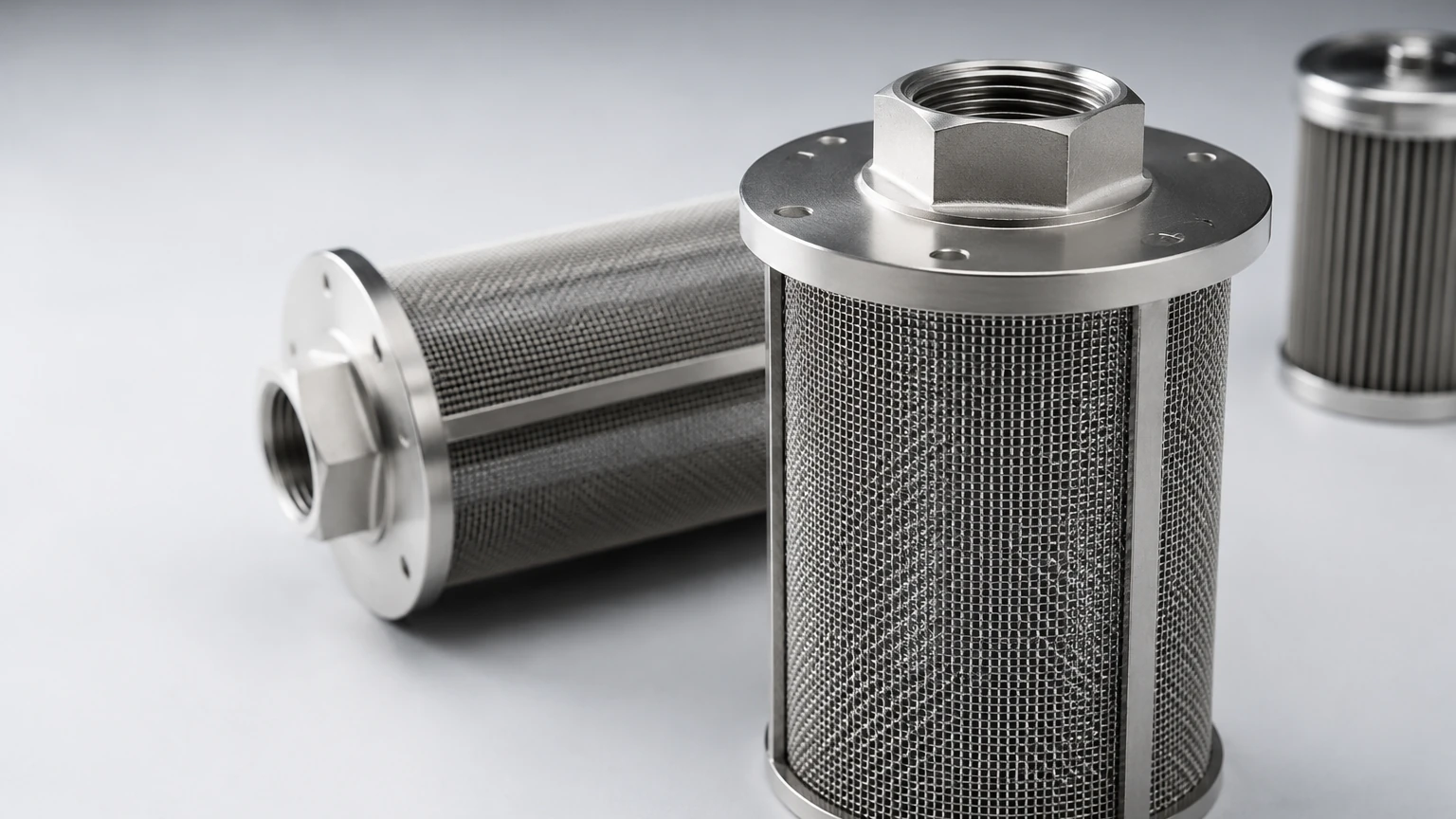
In the architecture of a hydraulic system, the suction line represents the most critical point for pump protection. A hydraulic oil suction filter, often referred to as a suction strainer or inlet filter, is positioned before the pump’s intake to intercept coarse contaminants that could cause catastrophic mechanical failure. Unlike pressure or return line filters, which manage fine silt and wear particles, the suction filter focuses on safeguarding the pump from large debris, such as weld slag, assembly residue, and environmental ingress.
For engineers and procurement professionals, selecting the correct suction filtration solution requires a balance between filtration efficiency and fluid dynamics. Excessive restriction at the pump inlet can lead to cavitation, a phenomenon that can destroy a pump in a matter of hours. This article explores the technical nuances of hydraulic oil suction filters, material considerations, and the engineering parameters necessary to ensure long-term system reliability.
The Critical Role of Suction Filtration
The primary objective of a suction filter is to protect the hydraulic pump from large particles that might have entered the reservoir during maintenance or through breather caps. While modern hydraulic systems often rely on high-efficiency return line filters to maintain overall fluid cleanliness, the suction filter remains the last line of defense for the pump’s internal rotating groups.
In industrial environments—ranging from chemical processing plants to heavy manufacturing—pumps are high-value components. A single piece of metal debris entering a piston or gear pump can cause scoring, internal leakage, or total seizure. By utilizing a robust hydraulic oil suction filter, operators can significantly extend the Mean Time Between Failures (MTBF) of their hydraulic power units. Furthermore, these filters serve as a diagnostic tool; inspecting the captured debris during routine maintenance can provide early warnings of component degradation elsewhere in the system.
Engineering Considerations: Pressure Drop and Cavitation
The most significant challenge in suction filter design is the management of pressure drop ($ΔP$). Hydraulic pumps are designed to operate with a specific Net Positive Suction Head (NPSH). If the suction filter is too restrictive or becomes clogged, the absolute pressure at the pump inlet may drop below the vapor pressure of the hydraulic oil.
The Mechanics of Cavitation
When the inlet pressure drops too low, vapor bubbles form in the oil. As these bubbles move into the high-pressure side of the pump, they implode with immense force. This process, known as cavitation, causes:
* Erosion of Metal Surfaces: The micro-jets created by imploding bubbles can pit and erode hardened steel components.
* Noise and Vibration: Cavitation produces a distinct high-pitched "marbles in a grinder" sound and excessive vibration.
* Loss of Efficiency: The presence of vapor reduces the volumetric efficiency of the pump, leading to sluggish actuator response.
To prevent this, engineers typically size suction filters to have a very low initial pressure drop—often less than 0.03 bar (0.5 psi) with clean elements at operating temperature. It is also common practice to select a filter with a flow rating two to three times the maximum pump flow rate to account for fluid viscosity changes during cold starts.
Material Selection: The Case for Stainless Steel Wire Mesh
While some low-cost suction filters use cellulose or synthetic media, industrial applications increasingly demand the durability of stainless steel. As a specialist in precision metal filtration, Kaifil emphasizes the use of stainless steel wire mesh for suction applications due to its structural integrity and chemical compatibility.
Advantages of Stainless Steel Mesh
1. Structural Strength: Suction filters are subject to vacuum forces. Stainless steel mesh, often supported by a perforated inner core, resists collapsing better than disposable media.
2. Chemical and Thermal Resistance: In industries like chemical processing or food production, hydraulic fluids may be fire-resistant synthetics or water-glycols. Stainless steel (typically Grade 304 or 316L) provides excellent resistance to corrosion and high temperatures.
3. Cleanability: Unlike depth-style filters, wire mesh filters are surface-loading. This allows them to be cleaned and reused in certain applications, reducing the total cost of ownership and waste.
4. Precise Micron Ratings: Wire mesh can be woven to exact specifications, ensuring consistent pore sizes. Common suction ratings range from 74 microns (200 mesh) to 150 microns (100 mesh).
For more information on material specifications and custom configurations, technical teams can visit the Main Page to review available engineering resources.
Technical Specifications and Sizing
When specifying a hydraulic oil suction filter, several technical variables must be confirmed to ensure the component meets the application's demands.
Micron Rating vs. Protection
Suction filters are generally "coarse" filters. Attempting to achieve high-efficiency (low micron) filtration on the suction side is dangerous because it increases the risk of pump starvation. Most industrial standards recommend a mesh size between 100 and 150 microns for suction strainers. This is sufficient to catch the "pump killers" while maintaining a high flow area.
Flow Velocity and Viscosity
Oil viscosity varies significantly with temperature. A filter that performs well at 50°C may cause cavitation at a 10°C cold start. Engineering calculations must account for the maximum viscosity the system will encounter. The flow velocity through the suction pipe should ideally be kept between 0.5 to 1.2 meters per second (1.5 to 4 feet per second) to minimize friction losses.
Bypass Valves
Many suction filters are equipped with an internal bypass valve. If the filter becomes clogged, the bypass valve opens (typically at a vacuum setting of 0.2 to 0.3 bar) to allow oil to reach the pump unfiltered. While this introduces contaminants into the pump, it is often considered a lesser evil than allowing the pump to run dry or cavitate. However, in some critical applications, a "no-bypass" design is used, coupled with a vacuum switch that shuts down the system if the filter reaches a dirty state.
Installation and Maintenance Best Practices
The physical placement of the hydraulic oil suction filter within the reservoir is as important as the filter's specifications. Proper installation ensures that the filter operates effectively throughout its service life.
Submergence Depth
The filter must be submerged deep enough in the oil to prevent the formation of a vortex, which would draw air into the pump. A general rule is that the top of the filter should be at least 100mm below the minimum oil level. Additionally, the filter should be positioned away from the return line to avoid picking up aerated oil or turbulent flow.
Monitoring and Replacement
Since suction filters are often located inside the reservoir (submerged), they can be "out of sight, out of mind." This makes proactive monitoring essential. Installing a vacuum gauge or a vacuum switch on the suction line provides a real-time indication of the filter's condition.
Maintenance cycles depend on the environment. In a clean, sealed system, a stainless steel suction filter may only need inspection once a year. In high-debris environments, such as metal fabrication or mining, more frequent checks are required. When cleaning a stainless steel mesh filter, it is vital to use compatible solvents and ultrasonic cleaning if necessary to ensure all trapped particles are removed from the weave.
Custom OEM Solutions for Specialized Applications
Standard off-the-shelf suction filters may not meet the requirements of specialized industrial machinery. Factors such as unique mounting footprints, space constraints within the reservoir, or the need for integrated magnetic inserts require customized engineering.
Kaifil specializes in developing bespoke filtration components that integrate seamlessly into existing hydraulic designs. Customization options often include:
* Specialized End Caps: Threaded, flanged, or slip-on connections in various materials.
* Reinforced Structures: For high-flow systems where the mesh requires additional support against turbulent fluid movement.
* Magnetic Pre-filtration: Integrating magnets into the suction filter to capture fine ferrous particles before they reach the mesh, further extending the life of the filter and the pump.
By collaborating with a manufacturer that understands the nuances of wire mesh weaving and metal fabrication, engineers can ensure that their suction filtration solution is optimized for both performance and manufacturability.
Conclusion: Selecting the Right Partner
A hydraulic oil suction filter is a small component with a massive responsibility. Choosing the wrong filter—whether it is undersized, made of inferior materials, or incorrectly rated—can lead to expensive pump repairs and unplanned downtime.
When evaluating suppliers, technical teams should prioritize manufacturers who offer transparency in material sourcing, precision in manufacturing, and a deep understanding of hydraulic fluid dynamics. For those seeking high-performance, custom stainless steel filtration components, exploring the capabilities on the Main Page provides a starting point for technical consultation and product selection. By focusing on quality at the inlet, industrial operators can protect their investment and maintain the efficiency of their hydraulic systems for years to come.
