


Molten Metal Filters
In the metallurgical and casting industries, the purity of the melt is the primary determinant of the final product's structural integrity and surface quality. Molten metal filters serve as the final barrier against non-metallic inclusions, slag, and dross that can compromise the mechanical properties of a casting. For engineers and procurement professionals, selecting the appropriate filtration system requires a deep understanding of fluid dynamics, thermal resistance, and material compatibility. This guide examines the technical specifications, engineering considerations, and operational impacts of using high-performance filtration solutions in metal casting environments.
The Mechanics of Molten Metal Filtration
Filtration in a molten environment is more complex than standard liquid-solid separation due to the extreme temperatures and the reactive nature of liquid metals. Molten metal filters operate through three primary mechanisms: physical sieving, cake filtration, and deep-bed filtration.
Physical Sieving
Sieving occurs at the surface of the filter. Particles larger than the pore size of the filter media are trapped immediately. This is the most basic form of filtration and is highly effective for removing large macro-inclusions and slag fragments that may have been introduced during the melting or pouring process.
Cake Filtration
As the pouring process continues, the trapped inclusions begin to form a layer—or "cake"—on the upstream surface of the filter. This layer itself acts as a secondary filtration medium, often with finer pores than the original filter. While this increases filtration efficiency for smaller particles, it also increases the pressure drop across the filter, which must be accounted for in the gating system design.
Deep-Bed Filtration
Deep-bed filtration is particularly relevant for ceramic foam and thick-walled metal mesh filters. As the molten metal flows through the tortuous path of the filter's internal structure, smaller inclusions collide with and adhere to the filter walls. This is often driven by chemical affinity or van der Waals forces, allowing the filter to capture particles significantly smaller than the physical pore size.
Engineering Considerations for Filter Selection
Selecting the right molten metal filters involves more than just choosing a pore size. Engineers must evaluate several critical parameters to ensure the filter performs reliably under the stresses of the casting floor.
Thermal Shock Resistance
When molten metal (which can range from 700°C for aluminum to over 1500°C for steel) hits a room-temperature filter, the material undergoes intense thermal shock. The filter must be able to withstand this rapid expansion without cracking or shedding particles (spalling), which would ironically introduce more inclusions into the melt.
Chemical Inertness
At high temperatures, molten metal is highly reactive. The filter material must not react with the specific alloy being poured. For example, in aluminum casting, filters must resist the corrosive effects of magnesium and other alloying elements. In steel casting, the filter must withstand the aggressive nature of the molten steel and the high ferrostatic pressure.
Mechanical Strength
The filter must maintain its structural integrity under the weight and velocity of the incoming metal. If a filter collapses or deforms during the pour, it can block the gating system or allow unfiltered metal to enter the mold cavity. High-strength stainless steel alloys and specialized refractories are often used to ensure the filter remains rigid throughout the process.
Types of Filtration Media for High-Temperature Applications
While ceramic foam filters are common in many foundries, metal mesh and specialized stainless steel components play a vital role in specific industrial applications, particularly where precision and durability are paramount.
Stainless Steel Wire Mesh Filters
For lower-melting-point alloys like aluminum, zinc, and lead, stainless steel wire mesh filters offer a cost-effective and highly customizable solution. These filters are often used in the form of cups, discs, or custom-formed inserts. Their primary advantage is the precision of the mesh opening and the ability to manufacture them to tight tolerances. As a manufacturer specializing in custom stainless steel filtration, Kaifil provides a range of mesh configurations that can be integrated into existing casting lines. You can explore these capabilities on our Main Page.
Ceramic Foam and Honeycomb Filters
For high-temperature ferrous alloys, ceramic materials like silicon carbide, alumina, or zirconia are used. These filters provide a high surface area for deep-bed filtration. However, they are more brittle than metal filters and require careful handling and precise placement within the mold's gating system.
Hybrid and Custom Solutions
In many modern industrial setups, a combination of filtration media is used. A coarse stainless steel mesh might act as a pre-filter to remove large dross, followed by a finer ceramic filter for micro-inclusion removal. Customization is key here, as the geometry of the filter must match the specific flow requirements of the mold.
Impact on Casting Quality and Yield
The primary motivation for implementing robust molten metal filters is the significant improvement in casting quality. By removing inclusions, foundries can achieve several key benefits:
1. Reduced Scrap Rates: Inclusions are a leading cause of casting rejection, especially in parts requiring high-pressure integrity or aesthetic surface finishes.
2. Improved Machinability: Hard non-metallic inclusions can damage cutting tools during the machining process. Clean metal extends tool life and reduces downtime.
3. Enhanced Mechanical Properties: Inclusions act as stress concentrators, which can lead to premature fatigue failure. Filtered metal exhibits higher tensile strength and elongation.
4. Optimized Flow Dynamics: Filters help to transition turbulent flow into laminar flow as the metal enters the mold. This reduces air entrainment and prevents the formation of new oxides within the mold cavity.
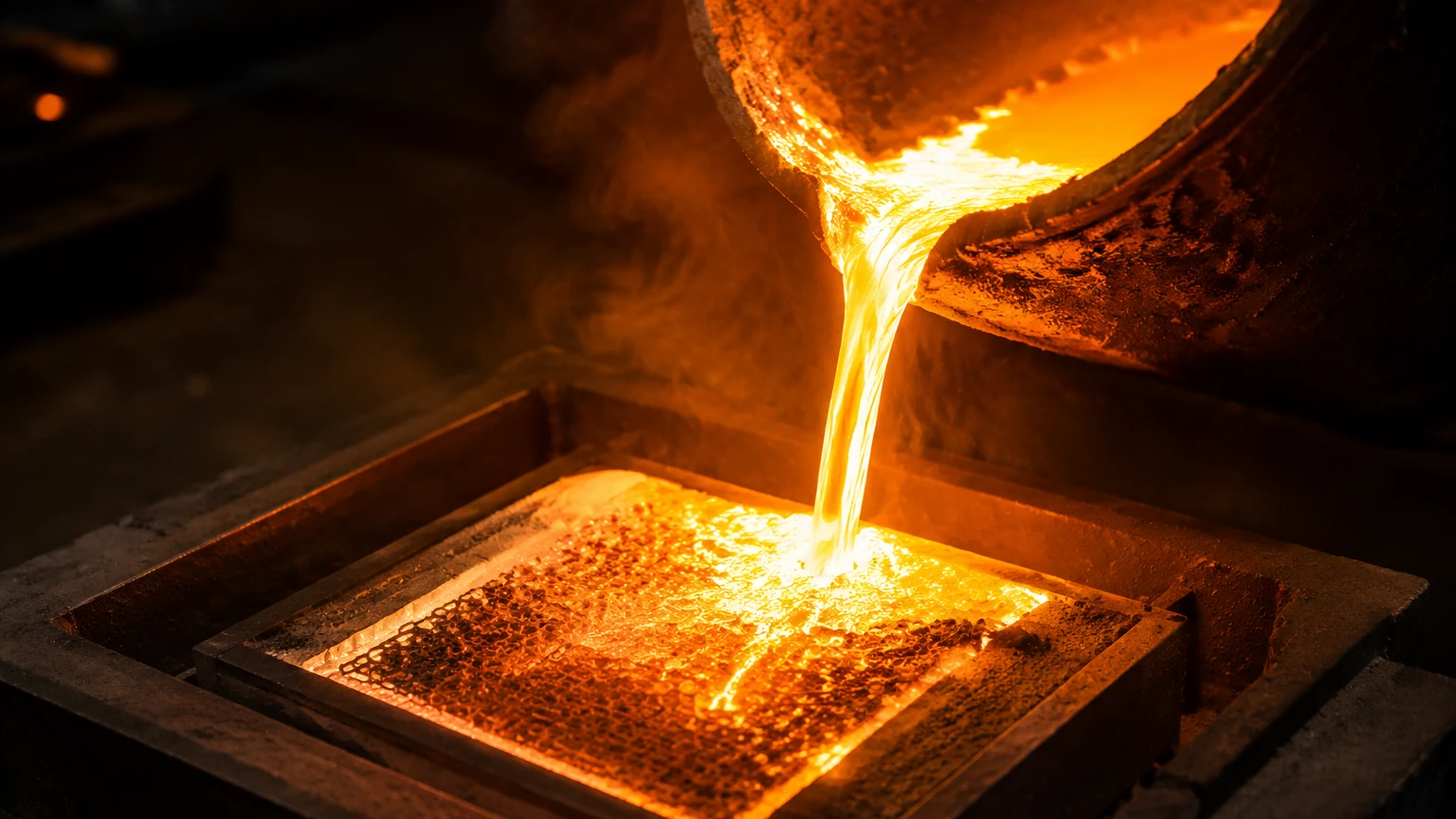
Custom Design and OEM Integration
For engineers, the ability to customize molten metal filters is essential for optimizing the gating system. Standard off-the-shelf filters may not always fit the unique constraints of a specialized casting project. Customization options typically include:
* Dimensional Accuracy: Precise outer diameters and thicknesses to ensure a snug fit in the filter print, preventing bypass.
* Mesh and Pore Configuration: Tailoring the filtration rating to the specific alloy and the desired flow rate.
* Material Selection: Choosing between different grades of stainless steel (such as 304, 316, or specialized high-temp alloys) based on the chemical environment.
* Structural Reinforcement: Adding frames or support structures to filters that will be subjected to high ferrostatic heads.
Working with an OEM manufacturer like Kaifil allows technical teams to develop components that meet these exact specifications, ensuring that the filtration stage does not become a bottleneck in the production process.
Operational Best Practices and Replacement Cycles
To maximize the effectiveness of molten metal filters, certain operational protocols must be followed. The placement of the filter within the gating system is critical; it should be positioned as close to the mold cavity as possible to minimize the chance of re-contamination, but far enough to allow for proper flow distribution.
Pre-Heating
In some applications, particularly with larger ceramic filters, pre-heating the filter can reduce the risk of thermal shock and prevent the metal from "freezing" on the filter surface during the initial seconds of the pour.
Monitoring Pressure Drop
In continuous casting or large-scale operations, monitoring the pressure drop across the filter can indicate when the filter is reaching its capacity. While most casting filters are single-use (replaced every mold), in some furnace applications, the replacement cycle is determined by the volume of metal processed and the observed flow rate decay.
Handling and Storage
Filters must be kept dry and free of contaminants before use. Moisture in a filter can lead to hydrogen porosity in the casting or, in extreme cases, a steam explosion when the molten metal makes contact.
Total Cost of Ownership Considerations
When evaluating molten metal filters, purchasing teams should look beyond the initial unit price. The total cost of ownership (TCO) includes the reduction in scrap, the savings in machining costs, and the potential for increased throughput. A high-quality filter that costs more upfront but reduces the scrap rate by even 1-2% will pay for itself many times over in a high-volume production environment.
Furthermore, reliable filtration reduces the need for expensive post-casting repair work, such as welding or grinding out defects. By ensuring the metal is clean before it enters the mold, manufacturers can maintain a more predictable and profitable production schedule.
For more detailed technical data on stainless steel filtration components and how they can be adapted for your specific industrial needs, we invite you to review our comprehensive product listings and engineering resources on our Main Page. Understanding the nuances of material selection and filtration geometry is the first step toward achieving superior casting results and operational efficiency.
