


Steam Sparge
In industrial process engineering, the efficient transfer of heat and mass is a fundamental requirement for optimizing production cycles and ensuring product quality. Steam sparging is a widely adopted technique used to inject steam directly into a liquid medium. Unlike indirect heating methods, such as heat exchangers or jackets, a steam sparge system facilitates immediate contact between the steam and the process fluid. This method is highly valued in sectors ranging from chemical processing and food production to pharmaceutical manufacturing and water treatment due to its rapid heating capabilities and effective agitation properties.
For engineers and technical procurement teams, selecting the right components for a steam sparge application involves a deep understanding of fluid dynamics, material compatibility, and the mechanical stresses associated with high-temperature steam injection. As a manufacturer specializing in precision stainless steel filtration and fluid control components, Kaifil provides the technical expertise necessary to design and implement durable sparging solutions. To explore our full range of industrial components, visit our Main Page.
The Principles of Steam Sparging
At its core, steam sparging relies on the injection of pressurized steam through a porous or perforated medium into a liquid body. The primary objective is usually one of three things: heating the liquid, stripping volatile contaminants, or providing agitation.
When steam is injected, it releases its latent heat of vaporization as it condenses into the liquid. This direct heat transfer is nearly 100% efficient, as there are no thermal barriers like metal walls between the steam and the fluid. Furthermore, the introduction of gas into the liquid creates a density differential that promotes natural convection and mixing.
In stripping applications, the steam sparge acts as a carrier gas. As steam bubbles rise through the liquid, they decrease the partial pressure of dissolved gases (such as oxygen or carbon dioxide) or volatile organic compounds (VOCs), allowing these substances to diffuse into the steam bubbles and be carried out of the system. This is a critical process in deaeration and chemical purification.
Engineering Considerations for Steam Sparge Systems
Designing an effective steam sparge system requires careful consideration of several engineering variables to prevent equipment failure and ensure process consistency.
Material Selection and Corrosion Resistance
Steam sparging environments are inherently demanding. The combination of high temperatures, moisture, and potentially corrosive process fluids necessitates the use of high-grade materials. Stainless steel, particularly 316L, is the industry standard due to its excellent corrosion resistance and ability to maintain structural integrity at elevated temperatures. In more aggressive chemical environments, specialty alloys may be required, but for the majority of industrial applications, precision-engineered stainless steel provides the best balance of performance and cost.
Thermal Stress and Mechanical Fatigue
The rapid introduction of high-temperature steam into a cooler liquid creates significant thermal gradients. This can lead to thermal shock, causing components to expand and contract rapidly. If the sparge element is not designed to accommodate these stresses, it may suffer from cracking or joint failure. Engineering a steam sparge system involves calculating the thermal expansion coefficients and ensuring that the mounting structures and the sparge media itself can withstand repeated thermal cycling.
Pressure and Flow Control
The pressure of the incoming steam must be higher than the hydrostatic pressure of the liquid at the point of injection. However, excessive pressure can lead to "steam hammering"—a phenomenon where steam bubbles collapse violently, creating shockwaves that can damage the sparger and the vessel. Proper sizing of the distribution pipe and the choice of porous media are essential to maintain a stable flow and prevent mechanical damage.
Porous Metal Media vs. Perforated Pipes
One of the most critical decisions in steam sparge design is the choice of the injection interface. Traditional systems often used "sparge pipes"—simple pipes with drilled holes. While inexpensive, these have significant limitations compared to modern porous metal media.
Bubble Size and Surface Area
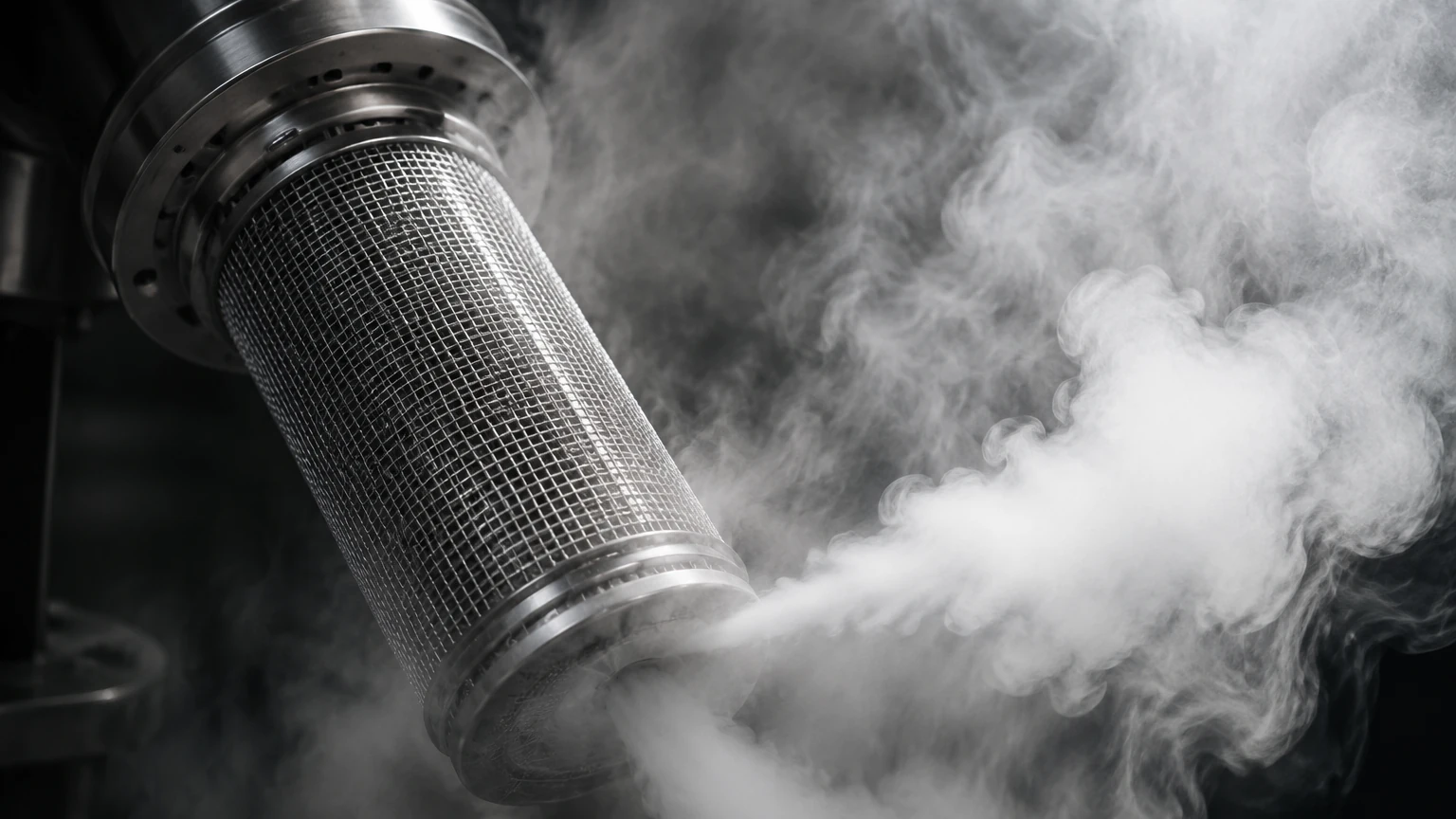
The efficiency of a steam sparge is directly proportional to the surface area of the steam bubbles. Perforated pipes tend to produce large, irregular bubbles that rise quickly to the surface, leading to poor heat transfer and localized "hot spots." In contrast, porous stainless steel media, such as sintered wire mesh or sintered metal powder, creates thousands of tiny, uniform bubbles. These micro-bubbles have a much higher surface-area-to-volume ratio, ensuring rapid condensation and more uniform heating.
Noise and Vibration Reduction
Large steam bubbles collapsing in a liquid generate significant noise and mechanical vibration. By utilizing a porous metal sparger, the steam is broken down into a fine mist of bubbles. These smaller bubbles condense more quietly and smoothly, significantly reducing the decibel levels in the plant and minimizing the mechanical wear on the vessel and internal piping.
Key Industrial Applications of Steam Sparging
Because of its versatility, steam sparging is utilized across a broad spectrum of industries, each with specific technical requirements.
Food and Beverage Processing
In the food industry, steam sparging is used for the direct heating of juices, syrups, and sauces. It is also used in "steam peeling" and blanching processes. For these applications, the steam must be "culinary grade," and the sparging equipment must be designed for easy cleaning (CIP) to meet stringent sanitary standards. Stainless steel components are preferred here because they do not leach contaminants and can withstand caustic cleaning agents.
Chemical and Petrochemical Industry
Steam sparging is a standard method for heating large chemical reactors and storage tanks. It is also used in steam stripping to remove unreacted monomers or solvents from a product stream. In these environments, the durability of the sparge element is paramount, as the chemicals involved may be highly reactive or abrasive.
Pharmaceutical and Biotechnology
In fermentation processes, steam sparging is often used for the sterilization of the media (SIP – Sterilization in Place). The sparger must be able to deliver steam evenly to ensure that every part of the vessel reaches the required temperature for sterilization. Precision-engineered porous metal spargers are ideal here because they provide the fine control needed to maintain sterile conditions without damaging heat-sensitive biological components.
Water and Wastewater Treatment
Steam sparging is employed in the deaeration of boiler feedwater to remove dissolved oxygen, which would otherwise cause severe corrosion in the boiler tubes. It is also used in the treatment of industrial wastewater to strip out volatile pollutants before the water is discharged or reused.
Installation, Maintenance, and Performance Optimization
To ensure the longevity of a steam sparge system, proper installation and a proactive maintenance schedule are required.
1. Orientation and Placement: The sparger should typically be placed at the lowest point of the vessel to maximize the contact time as the bubbles rise. In horizontal tanks, multiple sparge points may be necessary to ensure uniform distribution.
2. Steam Quality: The longevity of the porous media is highly dependent on the quality of the steam. Particulates in the steam line can clog the fine pores of a sintered metal sparger. Installing a high-quality stainless steel filter upstream of the sparger is a recommended best practice to protect the injection element.
3. Cleaning Protocols: Over time, minerals from the process liquid (scaling) or organic matter (fouling) can accumulate on the surface of the sparger. Stainless steel spargers are advantageous because they can be cleaned using ultrasonic baths, chemical solvents, or back-flushing techniques, restoring them to original performance levels.
4. Monitoring Pressure Drop: A gradual increase in the pressure required to maintain the steam flow rate is a clear indicator that the sparge element is becoming fouled. Monitoring this pressure drop allows for scheduled maintenance before the process is negatively impacted.
Customization and Selection Criteria
Every industrial process has unique requirements, and a one-size-fits-all approach to steam sparging often leads to inefficiencies. When selecting a sparging solution, engineers should confirm the following parameters with their manufacturer:
* Required Heat Load: The total BTUs or kilowatts required to reach the target temperature within a specific timeframe.
* Liquid Characteristics: Viscosity, density, and chemical composition of the process fluid.
* Vessel Dimensions: The height of the liquid column (hydrostatic head) and the total volume of the tank.
* Steam Supply Conditions: Available pressure and temperature of the steam source.
* Target Bubble Size: Depending on whether the goal is heating, stripping, or agitation.
At Kaifil, we specialize in the custom design and manufacture of stainless steel filtration and sparging components. Our team works closely with global customers to develop solutions that meet specific filtration accuracy and durability requirements. Whether you are designing a new system or looking to optimize an existing steam sparge setup, our engineering expertise ensures you receive a high-performance, reliable product.
For more information on our technical capabilities and to view our product catalog, please visit our Main Page. By focusing on quality manufacturing and precise engineering, we help industrial teams achieve efficient, cost-effective, and durable filtration and fluid control performance.
