


Stirred Tank
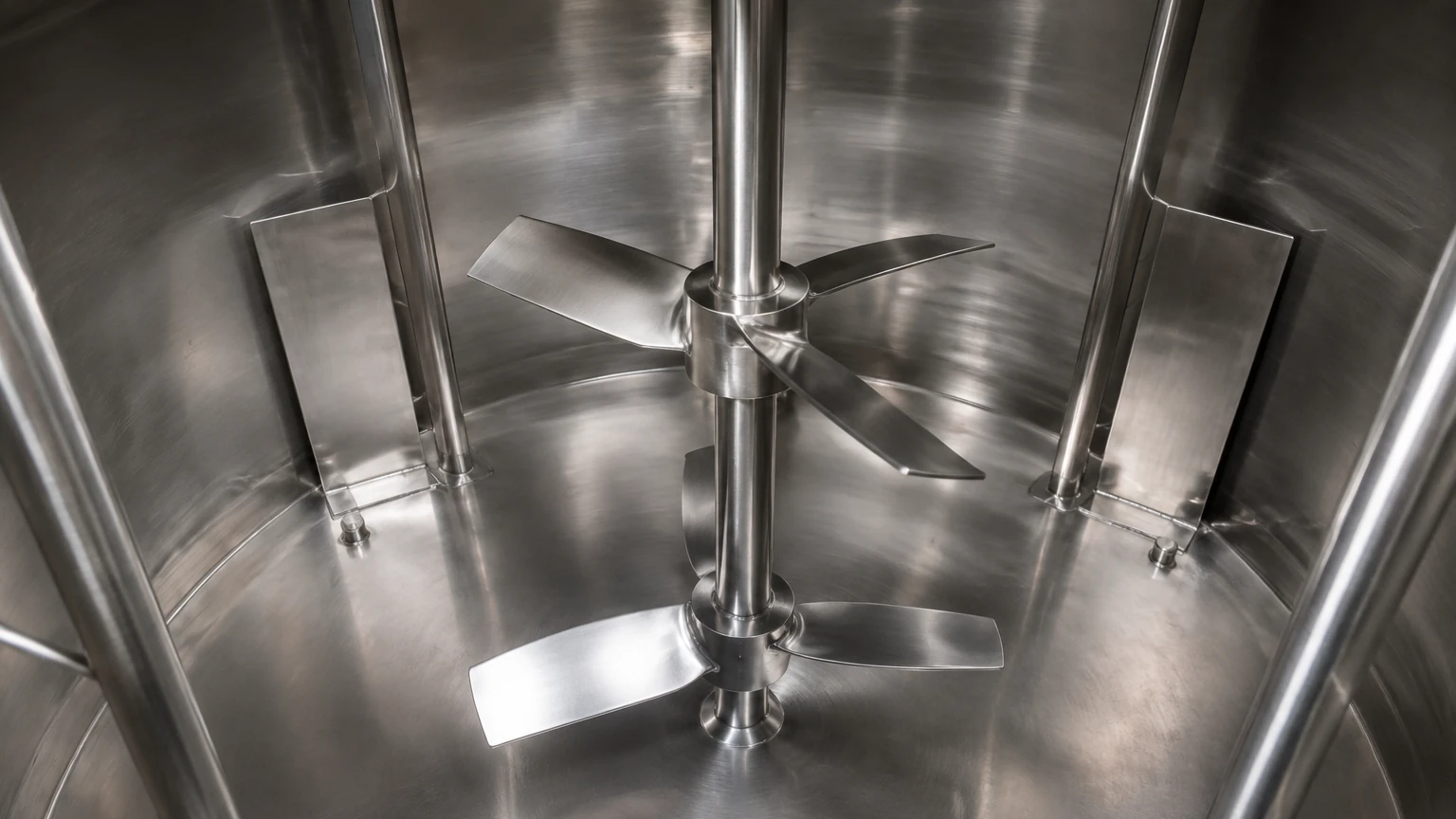
In the landscape of industrial processing, the stirred tank—often referred to as a Continuous Stirred-Tank Reactor (CSTR) or a batch reactor—serves as a fundamental unit operation. These vessels are designed to facilitate chemical reactions, biological fermentations, and complex mixing processes across the pharmaceutical, chemical, and food and beverage sectors. However, the efficiency of a stirred tank is not solely dependent on the agitation speed or the impeller design; it is equally reliant on the precision and durability of the integrated filtration systems. For engineers and procurement teams, understanding the intersection of fluid dynamics and filtration within these tanks is critical for optimizing yield and ensuring product purity.
As a specialized manufacturer of stainless steel filtration solutions, Kaifil provides the technical components necessary to maintain the integrity of these processes. From catalyst recovery to gas sparging, the selection of filtration media significantly impacts the operational lifecycle of the equipment. For more information on our full range of industrial solutions, visit our Main Page.
The Role of Filtration in Stirred Tank Operations
Filtration within a stirred tank environment serves several distinct purposes, depending on the specific application. In many chemical processes, the tank acts as a vessel for heterogeneous catalysis, where solid catalyst particles are suspended in a liquid medium. Once the reaction is complete, these catalysts must be recovered or separated from the final product. High-performance stainless steel wire mesh filters are often employed here because they can withstand the mechanical stress of the agitation while providing precise micron-rated retention.
In pharmaceutical and biotechnological applications, the stirred tank often functions as a bioreactor. In these scenarios, filtration is used for sterile air or gas sparging—introducing oxygen or other gases into the broth to support microbial growth. This requires precision metal filter components that can produce fine bubbles for maximum mass transfer while remaining easy to sterilize. Furthermore, filtration is essential for clarifying the harvest after fermentation, removing cell debris and other particulates that could interfere with downstream processing.
Engineering Considerations for Stirred Tank Filtration
When designing or specifying filtration for a stirred tank, engineers must account for several complex variables that are absent in static filtration systems. The most prominent of these is the high-shear environment created by the impeller.
Fluid Dynamics and Turbulence
The agitation in a stirred tank creates turbulent flow patterns. Filtration components, such as cartridges or mesh screens, must be structurally reinforced to resist vibration and mechanical fatigue. If a filter is not properly designed for these forces, the mesh may flex or bypass, leading to inconsistent filtration results or even structural failure. Kaifil addresses these challenges by utilizing advanced manufacturing techniques, such as sintering, which bonds multiple layers of wire mesh into a rigid, stable structure that maintains its pore geometry even under high pressure and turbulence.
Viscosity and Temperature Fluctuations
Many stirred tank processes involve fluids with high viscosity or those that undergo significant temperature changes during the reaction cycle. Viscosity directly affects the pressure drop across the filter media. If the filter has insufficient surface area, the flux rate will drop, leading to longer processing times and increased energy consumption. Additionally, thermal expansion must be considered. Stainless steel is the material of choice for these applications because of its predictable thermal properties and its ability to maintain structural integrity from cryogenic temperatures up to several hundred degrees Celsius.
Material Selection and Chemical Compatibility
The choice of material for filtration components in a stirred tank is a critical decision that influences both the safety and the longevity of the system. In most industrial environments, stainless steel 304 and 316L are the standards.
Stainless Steel 316L for Corrosive Environments
For applications involving acids, chlorides, or harsh cleaning chemicals, 316L stainless steel is preferred due to its superior corrosion resistance. The "L" denotes low carbon content, which minimizes carbide precipitation during welding, ensuring that the filter remains resistant to intergranular corrosion. This is particularly important in the chemical processing and pharmaceutical industries, where even minor contamination from corrosion products can ruin a batch.
Surface Finish and Cleanability
In the food and beverage and pharmaceutical sectors, the surface finish of the filtration media is as important as the material itself. A stirred tank must often be cleaned in place (CIP) or sterilized in place (SIP). Filtration components must have smooth surfaces and minimal "dead zones" where bacteria or product residue can accumulate. Electropolishing is a common post-processing step for Kaifil’s filter cartridges, providing a mirror-like finish that facilitates easy cleaning and meets stringent hygienic standards.
Customization Options for Integrated Filtration Components
Standard off-the-shelf filters rarely meet the specific requirements of a custom-engineered stirred tank. Customization is often necessary to ensure that the filter integrates seamlessly with the tank’s internal geometry and the specific flow requirements of the process.
1. Micron Rating and Pore Structure: Depending on whether the goal is coarse clarification or fine particulate removal, the micron rating can be customized. Sintered mesh allows for precise control over pore size distribution.
2. Structural Reinforcement: For tanks with high-speed agitators, filters can be manufactured with internal perforated cores or external shrouds to provide additional mechanical support.
3. End Cap Configurations: Custom fittings, such as NPT threads, flanges, or specialized sanitary couplings, ensure that the filter can be securely mounted within the tank or on the discharge line.
4. Geometry: Filters can be designed as cylindrical cartridges, flat discs, or even conical shapes to optimize the available space within the vessel.
By working closely with manufacturers like Kaifil, engineers can develop filtration solutions that are tailored to the unique demands of their stirred tank applications, ensuring maximum uptime and process reliability.
Optimizing Performance and Maintenance Cycles
The total cost of ownership for a stirred tank system is heavily influenced by the frequency of maintenance and the lifespan of the filtration components. In many industrial settings, the goal is to extend the time between filter changes without compromising product quality.
Monitoring Differential Pressure
One of the most effective ways to manage filter performance is through the continuous monitoring of differential pressure (ΔP). As the filter traps particulates, the resistance to flow increases. By establishing a baseline ΔP and setting clear thresholds for cleaning or replacement, operators can prevent sudden system failures and optimize the cleaning schedule.
Cleaning and Regeneration
Unlike disposable polymer filters, stainless steel filtration media from Kaifil can be cleaned and reused multiple times. Depending on the contaminant, cleaning methods may include backpulsing, ultrasonic cleaning, or chemical baths. For stirred tank applications, backpulsing is particularly effective; it involves a momentary reversal of flow to dislodge particles from the surface of the filter. This capability significantly reduces the long-term cost of consumables and minimizes the environmental impact of the operation.
Total Cost Considerations in Industrial Filtration
When evaluating filtration options for a stirred tank, it is a mistake to focus solely on the initial purchase price. A lower-cost filter that requires frequent replacement or fails under mechanical stress will ultimately cost significantly more in terms of downtime, lost product, and labor.
High-quality stainless steel filters offer several economic advantages:
* Durability: Resistance to mechanical stress and corrosion leads to a longer service life.
* Reliability: Consistent filtration performance ensures that product batches meet quality specifications every time.
* Reduced Downtime: Cleanable media allows for faster turnaround times between batches.
* Process Efficiency: Optimized filter design reduces energy consumption by maintaining lower pressure drops.
For engineers looking to optimize their stirred tank processes, the investment in precision-engineered filtration components is a strategic decision that pays dividends throughout the life of the equipment.
Conclusion
The stirred tank remains a cornerstone of modern industrial production, but its success depends on the silent performance of its internal components. Filtration is not merely a peripheral concern; it is a vital function that ensures chemical purity, biological safety, and mechanical longevity. By understanding the engineering challenges of the stirred tank environment—from turbulent flow to chemical compatibility—technical professionals can make informed decisions that enhance their operational efficiency.
Kaifil is committed to providing the technical expertise and high-quality manufacturing necessary to meet these demanding requirements. Whether you are designing a new system or looking to upgrade an existing one, our team can help you select the right stainless steel wire mesh or filter cartridge for your application. To explore our capabilities and view our full product catalog, please visit our Main Page.
