


Basket Strainer Under Kitchen Sink
In industrial food processing, commercial kitchens, and pharmaceutical laboratories, the drainage system is a critical infrastructure component that requires robust protection against solids. A basket strainer under kitchen sink installations in these demanding environments is far more than a simple plumbing accessory; it is a precision-engineered filtration component designed to prevent debris from entering the wastewater stream, protecting downstream equipment and ensuring regulatory compliance.
For engineers and facility managers, selecting the correct filtration solution involves understanding the mechanical stresses, chemical exposures, and flow rate requirements of the specific application. High-performance Strainers & Baskets are essential for maintaining operational uptime and reducing the total cost of ownership in professional settings.
The Role of Industrial-Grade Basket Strainers
In a residential setting, a basket strainer is often viewed as a commodity. However, in industrial and high-volume commercial applications, the requirements change significantly. The basket strainer under kitchen sink units in these facilities must handle high-temperature water, aggressive cleaning chemicals, and a high volume of particulate matter without clogging or corroding.
Industrial basket strainers serve three primary functions:
1. Equipment Protection: They prevent large solids from entering grease traps, pumps, and wastewater treatment systems, which could otherwise lead to mechanical failure or expensive maintenance.
2. Compliance: Many municipal regulations require specific levels of filtration for commercial effluent to prevent the buildup of fats, oils, and greases (FOG) or solid waste in the public sewer system.
3. Operational Efficiency: By allowing for rapid debris removal and easy cleaning, these components minimize downtime and prevent drainage backups that can halt production lines or kitchen operations.
Engineering Considerations: Material Selection
One of the most critical decisions when specifying a basket strainer under kitchen sink assemblies for industrial use is the material of construction. While plastic or thin-gauge plated metals may suffice for domestic use, industrial environments demand the durability of stainless steel.
Stainless Steel 304 vs. 316
Stainless steel is the industry standard due to its strength and resistance to corrosion.
- SS304: This is the most common grade used in commercial food service. It offers excellent resistance to water and mild cleaners. It is durable enough for most standard kitchen applications.
- SS316/316L: In environments where the strainer will be exposed to high concentrations of salt, acidic food waste, or harsh chemical disinfectants (such as in pharmaceutical labs or seafood processing plants), SS316 is the preferred choice. The addition of molybdenum provides superior resistance to pitting and crevice corrosion.
Choosing the right material ensures that the strainer does not degrade over time, which could lead to leaks or the introduction of metallic contaminants into the drainage system.
Design and Filtration Precision
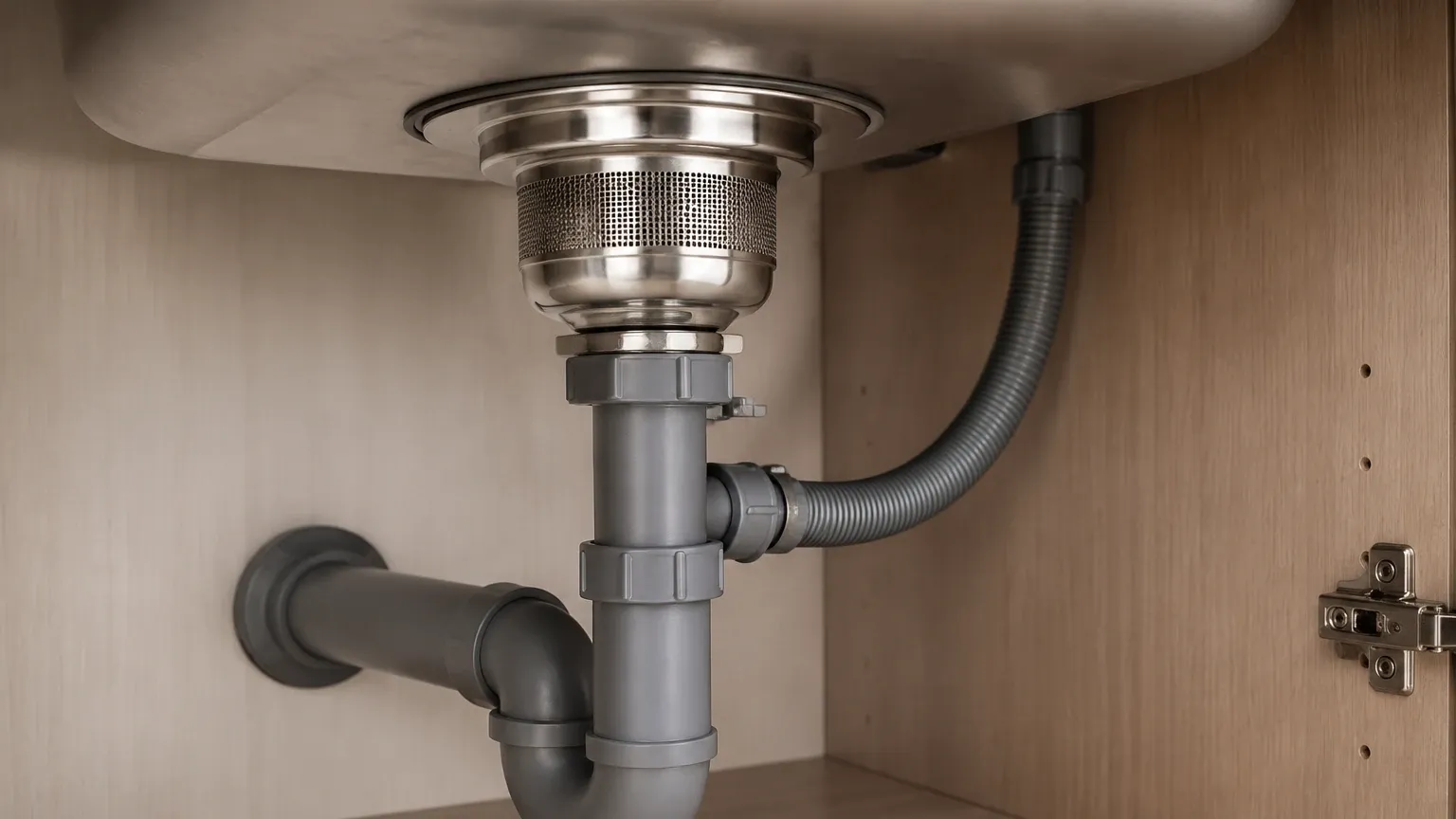
The efficiency of a basket strainer under kitchen sink installation depends heavily on its design, specifically the filtration media used within the basket. Depending on the application, engineers may choose between perforated metal and wire mesh.
Perforated Metal Baskets
Perforated baskets are typically used for primary filtration where the goal is to catch larger debris like food scraps or packaging remnants. The hole size and pattern are engineered to balance filtration efficiency with flow rate. A larger open area reduces pressure drop and allows for faster drainage, which is critical in high-volume wash-down areas.
Wire Mesh Liners
For applications requiring finer filtration, stainless steel wire mesh can be integrated into the basket design. This allows for the capture of smaller particulates that would pass through standard perforations. When selecting mesh, engineers must consider the "micron rating" to ensure the mesh is fine enough to protect downstream components but not so fine that it requires excessively frequent cleaning.
Installation and Sealing Requirements
Proper installation of a basket strainer under kitchen sink units is vital to prevent leaks that can cause structural damage or sanitation issues. In a B2B context, the connection points must be compatible with industrial piping standards.
Connection Types
Industrial strainers often feature heavy-duty threaded connections or flanged interfaces to ensure a secure fit with the rest of the plumbing system. The threading must be precise to prevent cross-threading and ensure a watertight seal under the weight of a full sink.
Gasket and Seal Compatibility
The gaskets used in the installation must be compatible with the fluids passing through the sink. While standard rubber gaskets might work for water, they can degrade if exposed to hot oils or industrial detergents. Engineers often specify EPDM, Viton, or PTFE gaskets for their chemical and thermal resistance properties, ensuring the seal remains intact throughout the lifespan of the strainer.
Maintenance Cycles and Operational Efficiency
The total cost of ownership for a basket strainer under kitchen sink assembly is largely determined by its ease of maintenance. In a high-traffic environment, a strainer that is difficult to clean will either be ignored—leading to clogs—or will consume too much labor time.
Easy-Clean Design Features
Professional-grade strainers often include features such as:
- Removable Baskets with Handles: Allows operators to quickly lift out debris without reaching into the waste stream.
- Smooth Internal Surfaces: Prevents the buildup of biofilm and organic matter, making the unit easier to sanitize.
- Large Capacity: Reduces the frequency of emptying, which is essential during peak operational hours.
Establishing a regular maintenance schedule is critical. For most commercial applications, baskets should be checked and cleared at the end of every shift to prevent the compaction of debris, which can make cleaning more difficult and reduce drainage speed.
Customization for Specialized Applications
Standard off-the-shelf solutions do not always meet the rigorous demands of specialized industrial processes. Customization is often required to fit unique sink dimensions, accommodate specific flow rates, or meet stringent hygiene standards.
When standard products fall short, manufacturers like Kaifil provide customized Strainers & Baskets tailored to specific engineering drawings. Customization options include:
- Bespoke Dimensions: Ensuring a perfect fit for non-standard industrial sinks or tanks.
- Variable Mesh Sizes: Tailoring the filtration level to the specific waste profile of the facility.
- Reinforced Construction: Adding structural supports to baskets that must handle heavy loads of solid waste.
By opting for a customized solution, engineers can ensure that the filtration system is perfectly aligned with the operational requirements of the facility, rather than forcing a standard product into a role it wasn't designed for.
Selection Guide: Key Evaluation Criteria
When purchasing or specifying a basket strainer under kitchen sink components for a B2B project, technical professionals should evaluate the following factors:
1. Flow Rate Requirements: Calculate the maximum volume of water the sink will discharge. The strainer must be able to handle this volume without causing backup.
2. Debris Characteristics: Identify the size and type of solids being filtered. This determines whether a perforated basket or a fine wire mesh is necessary.
3. Chemical Exposure: Assess the types of cleaning agents and waste products that will pass through the system to select the appropriate stainless steel grade and gasket material.
4. Durability and Gauge: In industrial settings, the thickness of the metal (gauge) matters. Thicker stainless steel will resist denting and deformation over years of heavy use.
5. Ease of Integration: Ensure the connection sizes (e.g., 3-1/2 inch standard or larger industrial sizes) match the existing or planned plumbing infrastructure.
Conclusion
The humble basket strainer under kitchen sink is a vital component in the broader industrial filtration landscape. By selecting high-quality stainless steel components and paying close attention to engineering details like material grade, mesh size, and seal compatibility, facility managers can prevent costly plumbing failures and maintain a sanitary, efficient environment. Whether for a large-scale food processing plant or a specialized laboratory, investing in professional-grade filtration solutions is a fundamental step in responsible facility management.
