


Zurn Roof Drain Strainers
In industrial and commercial architecture, the integrity of a building's roofing system is heavily dependent on efficient moisture management. Roof drain strainers serve as the primary defense mechanism for drainage systems, preventing large debris from entering the piping while ensuring that water can exit the roof surface at a rate that prevents structural loading. While Zurn is a widely recognized specification in the plumbing and drainage industry, engineers and facility managers must understand the technical variables—such as material science, flow dynamics, and mechanical compatibility—that determine the performance of these components.
Selecting the correct roof drain strainer involves more than matching a part number. It requires an evaluation of the environmental conditions, the anticipated debris load, and the hydraulic requirements of the specific facility. This guide examines the technical considerations of Zurn roof drain strainers and the engineering factors involved in selecting high-performance Strainers & Baskets for industrial applications.
The Engineering Function of Roof Drain Strainers
The fundamental purpose of a roof drain strainer is to act as a coarse filter. In a standard gravity drainage system, water must be channeled from the roof deck into the leader pipes. Without a strainer, debris such as leaves, gravel from ballast roofs, or wind-blown industrial waste can enter the drainage stack, leading to internal clogs that are difficult and expensive to remediate.
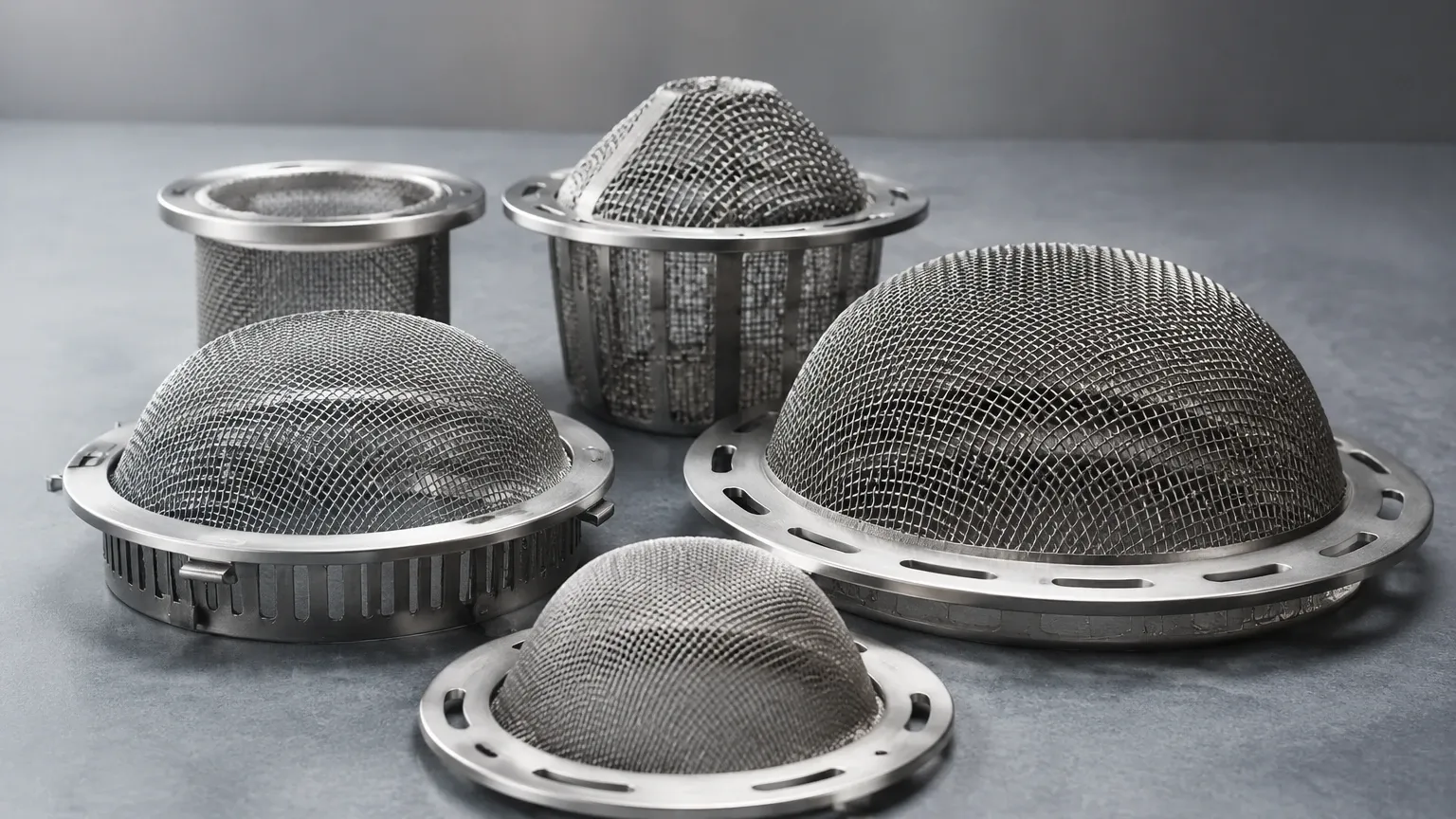
From a hydraulic perspective, the strainer must provide a "free area" that exceeds the cross-sectional area of the drain pipe itself. This ensures that the strainer is not the bottleneck in the system. Most industrial roof drains utilize a dome-style strainer. The hemispherical or conical shape is intentional; it allows water to continue flowing into the drain even if the base of the strainer becomes partially surrounded by debris. As the water level rises (ponding), the upper portions of the dome remain clear, maintaining the drainage path.
Material Selection and Environmental Durability
When specifying Zurn roof drain strainers or equivalent replacements, material selection is the most critical factor for long-term reliability. Standard commercial installations often utilize polypropylene or polyethylene strainers due to their low cost and resistance to basic atmospheric corrosion. However, industrial environments often demand more robust materials.
Polypropylene and Plastics
Plastic strainers are lightweight and immune to rust, making them suitable for standard office buildings or retail spaces. However, they are susceptible to UV degradation over long periods and can become brittle in extreme cold or warp under high thermal loads. In facilities where roof access is frequent or where heavy equipment is moved, plastic domes are prone to mechanical impact damage.
Cast Iron
Cast iron is the traditional choice for heavy-duty applications. It offers high mechanical strength and weight, which helps keep the strainer seated. Most cast iron strainers are coated with a rust-inhibitor or epoxy to extend their lifespan. While durable, cast iron is heavy and can eventually succumb to oxidation if the protective coating is breached, leading to "rust-jacking" where the strainer becomes fused to the drain body.
Stainless Steel and Aluminum
For high-performance industrial environments, such as chemical processing plants, food and beverage facilities, or pharmaceutical hubs, stainless steel is the preferred material. Stainless steel (typically Grade 304 or 316) provides superior corrosion resistance against chemical exhaust and salt-laden air in coastal regions. Aluminum offers a middle ground, providing better corrosion resistance than cast iron and lower weight, though it lacks the ultimate structural integrity of steel.
Technical Specifications: Sizing and Compatibility
One of the most common challenges in facility maintenance is ensuring that a replacement strainer is compatible with the existing drain body. Zurn roof drain strainers are designed to interface with specific drain assemblies, such as the Z100 or Z121 series. When evaluating compatibility, engineers must confirm three primary dimensions:
1. Base Diameter: The outer diameter of the strainer base must match the recessed mounting flange of the drain body. A gap here allows gravel and smaller debris to bypass the strainer.
2. Mounting Mechanism: Most strainers use either a twist-lock mechanism or a bolt-down configuration. Twist-lock designs allow for tool-free maintenance but can be dislodged by high winds or heavy debris. Bolt-down versions offer maximum security against displacement.
3. Dome Height: The height of the dome determines the "overflow" capacity. In regions with high-intensity rainfall events, a taller dome provides more surface area to handle rapid water accumulation.
For custom industrial applications where standard off-the-shelf components do not meet the flow or filtration requirements, manufacturers like Kaifil provide customized metal filtration components. These custom solutions ensure that the filtration accuracy and material grade are optimized for the specific chemical or physical stressors of the site.
Flow Rate Calculations and Open Area
In professional drainage design, the "Net Free Area" (NFA) of the strainer is a critical metric. The NFA is the total area of the openings in the strainer through which water can pass. Engineering standards typically recommend that the NFA of a roof drain strainer be at least 1.5 to 2 times the cross-sectional area of the discharge pipe.
If the NFA is too low, the strainer acts as a flow restrictor, causing water to pond on the roof. Ponding is a significant risk factor for structural failure, as water weighs approximately 62.4 pounds per cubic foot. A few inches of standing water across a large industrial roof can add tons of unplanned load to the building's structural frame. When selecting replacement Strainers & Baskets, technical teams must verify that the replacement part maintains or exceeds the original design's NFA.
Common Risks and Maintenance Cycles
The primary risk associated with roof drain strainers is neglect. Even the highest-quality Zurn strainer will fail to perform if it is completely occluded by debris. Maintenance cycles should be dictated by the surrounding environment. For example, a facility located near deciduous trees or in a high-wind area with significant airborne dust will require more frequent inspections than a facility in a desert climate.
Common failure points include:
* Clogging: Fine debris, such as pine needles or granules from asphalt shingles, can bridge the openings of the strainer.
* Mechanical Displacement: Improperly secured strainers can be moved by wind or maintenance crews, leaving the drain pipe completely unprotected.
* Corrosion of Fasteners: In many cases, the strainer itself remains intact, but the bolts or clips securing it to the drain body corrode, making it impossible to remove the strainer for cleaning without damaging the assembly.
Engineers should specify stainless steel hardware whenever possible to prevent the "freezing" of fasteners. Regular cleaning—at least twice a year, and after every major storm—is the most effective way to ensure the longevity of the drainage system.
Custom Solutions for Industrial Filtration
While standard Zurn roof drain strainers satisfy the requirements of most commercial projects, industrial applications often present unique challenges. In chemical plants where the roof may be exposed to corrosive vapors, or in food processing plants where strict hygiene and washdown protocols are in place, a standard plastic or cast iron strainer may be insufficient.
Customized stainless steel filtration solutions offer several advantages in these demanding environments:
* Precision Filtration: Custom mesh overlays can be added to standard strainers to capture smaller particulates that would otherwise clog downstream separators or treatment systems.
* Enhanced Durability: Using high-grade alloys ensures that the strainer can withstand exposure to aggressive chemicals without losing structural integrity.
* Specific Geometry: Custom manufacturing allows for the creation of strainers that fit non-standard or legacy drain bodies where OEM parts are no longer available.
Kaifil specializes in these types of high-performance filtration components, providing OEM and customized solutions that bridge the gap between standard plumbing hardware and precision engineering requirements. By focusing on material selection and filtration accuracy, these custom components help industrial facilities achieve reliable, long-term performance.
Conclusion: Selecting the Right Component
Specifying the correct roof drain strainer is a vital part of building lifecycle management. Whether you are maintaining an existing system using Zurn components or designing a new industrial facility, the focus should remain on material compatibility, hydraulic capacity, and ease of maintenance. For standard commercial roofs, high-quality plastic or cast iron domes are often sufficient. However, for environments where failure is not an option and the cost of a clogged drain could lead to significant production downtime or structural damage, investing in precision-engineered stainless steel Strainers & Baskets is a prudent engineering decision.
Before purchasing, technical teams should confirm the drain body model, the required flow rate, and the specific chemical exposures of the roof environment. By addressing these factors upfront, you can ensure that your drainage system remains a reliable asset rather than a hidden liability.
