


Wedge Wire Screen Welding Machine
In the landscape of industrial filtration, the structural integrity and precision of filtration media are paramount. Among the various technologies available, wedge wire screens—also known as profile wire screens—stand out for their high mechanical strength, non-clogging surface, and precise slot openings. The production of these components relies entirely on a specialized piece of industrial equipment: the wedge wire screen welding machine. For engineers and procurement professionals, understanding the mechanics, capabilities, and technical limitations of this machinery is essential for evaluating the quality of the resulting Wedge Wire Screens.
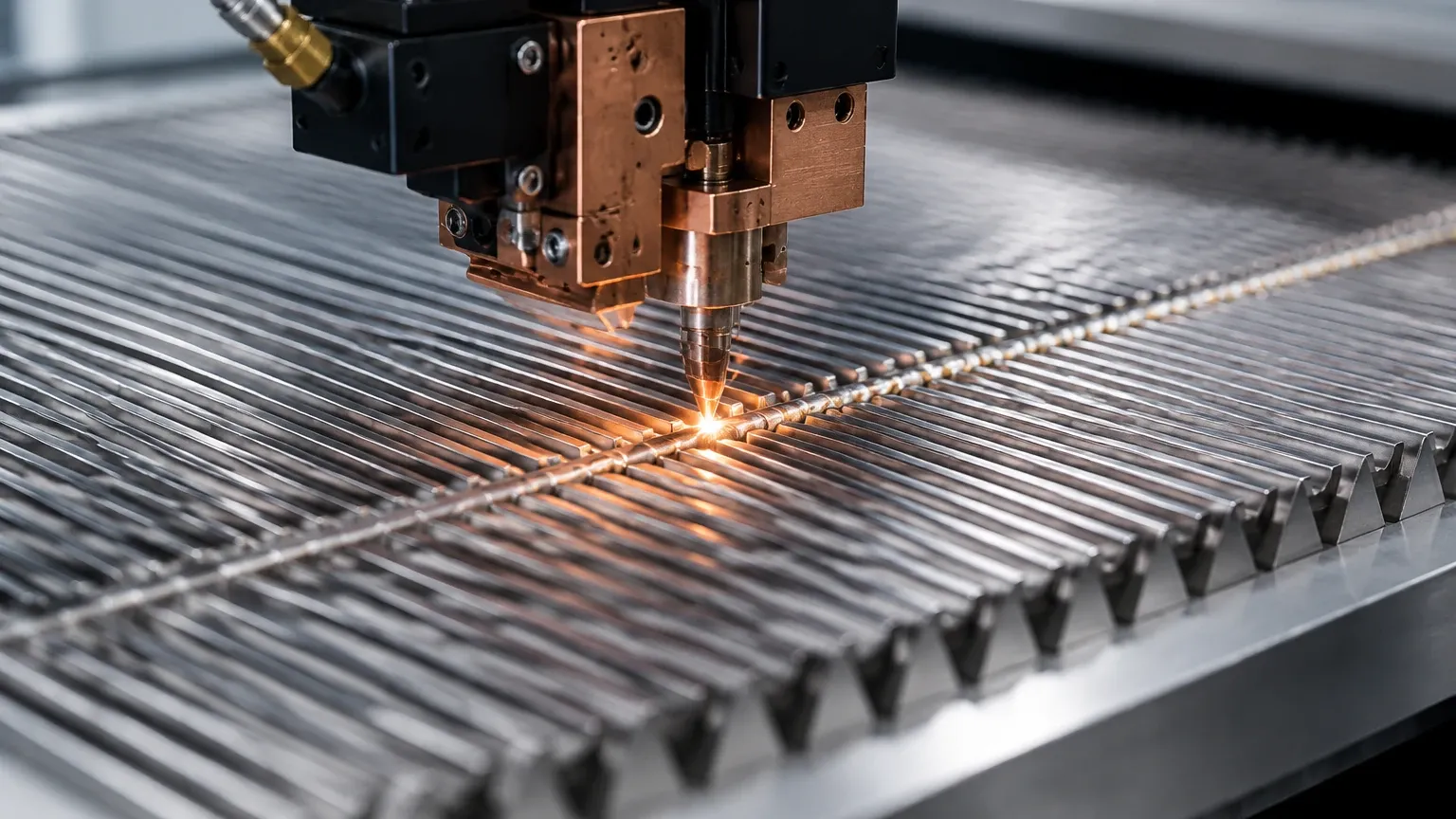
A wedge wire screen welding machine is a high-precision CNC (Computer Numerical Control) apparatus designed to wrap a profile wire (the surface wire) around a series of longitudinal support rods. At every intersection where the profile wire crosses a support rod, the machine executes an instantaneous resistance weld. This process creates a rigid, one-piece structure that can withstand high pressure, heavy loads, and corrosive environments.
The Mechanics of Wedge Wire Screen Fabrication
The fundamental operation of a wedge wire screen welding machine involves the synchronization of rotational and longitudinal movements. The support rods are typically arranged in a circular pattern around a central mandrel or held in a specialized jig. As the machine rotates this assembly, the profile wire is fed onto the rods.
Resistance Welding Technology
Resistance welding is the core technology used in these machines. Unlike traditional arc welding, resistance welding uses the electrical resistance of the metal itself to generate heat. When a high current is passed through the contact point between the profile wire and the support rod, the metal reaches a plastic state, and pressure is applied to create a metallurgical bond.
This method is preferred because it is incredibly fast and produces a clean, strong weld without the need for filler materials. In a modern wedge wire screen welding machine, thousands of these welds are performed in a single production cycle. The precision of the welding transformer and the electrode pressure system determines the consistency of the bond, which directly impacts the screen's ability to resist vibration and mechanical stress during backwashing or high-pressure filtration.
CNC Precision and Slot Width Control
The most critical specification of a wedge wire screen is its slot opening, or the distance between the parallel profile wires. This distance determines the filtration rating. A CNC-controlled wedge wire screen welding machine uses servo motors to control the "pitch" or the advancement of the wire as it wraps around the rods.
By precisely adjusting the travel speed relative to the rotation speed, the machine can achieve slot tolerances as tight as ±0.02mm. This level of control allows manufacturers like Kaifil to produce screens tailored to specific particle size distributions, ensuring that the filtration system performs exactly as engineered. For applications in the pharmaceutical or food and beverage industries, where even minor deviations can lead to batch contamination, the reliability of the CNC system is non-negotiable.
Key Components and Engineering of the Welding Machine
To maintain high-volume production while adhering to strict engineering tolerances, a wedge wire screen welding machine must be built with heavy-duty components designed for continuous operation.
1. The Main Drive System: This consists of high-torque servo motors and precision gearboxes that ensure smooth, vibration-free rotation. Any oscillation in the drive system can lead to uneven slot widths.
2. The Wire Feeding and Tensioning Unit: The profile wire must be fed at a constant tension. If the tension fluctuates, the wire may deform or seat incorrectly against the support rods, leading to structural weaknesses.
3. The Welding Electrodes: Typically made from specialized copper alloys, these electrodes must provide high electrical conductivity and wear resistance. Because they make contact with the wire thousands of times per hour, they require integrated water-cooling systems to prevent overheating and thermal expansion.
4. The Control Interface (HMI): Modern machines feature a Human-Machine Interface where operators input parameters such as screen diameter, length, slot size, and wire profiles. Advanced software can calculate the optimal welding parameters based on the material grade (e.g., SS304 vs. SS316L) to ensure maximum weld penetration without burning the metal.
Impact of Machine Calibration on Filtration Performance
The quality of a wedge wire screen is a direct reflection of the machine's calibration. When evaluating suppliers, engineers should consider how machine performance translates to long-term filtration efficiency.
Slot Consistency and Flow Dynamics
Inconsistent slot widths create "pathways of least resistance." If a machine produces a screen where some slots are wider than others, the fluid will naturally migrate toward the larger openings. This leads to uneven wear on the screen and allows oversized particles to pass through. A well-calibrated wedge wire screen welding machine ensures that the flow is distributed evenly across the entire surface area, optimizing the throughput and extending the time between cleaning cycles.
Structural Integrity and Durability
The strength of the weld is critical for screens used in high-pressure applications, such as oil and gas well completions or heavy-duty industrial vibratory screens. If the welding machine’s pressure or current is incorrectly set, the result may be a "cold weld"—a joint that looks solid but lacks the depth of penetration required to handle mechanical loads. Conversely, excessive heat can cause a large Heat-Affected Zone (HAZ), which may lead to embrittlement and premature failure in corrosive environments.
Evaluating Machine Capabilities for Custom Requirements
Industrial filtration often requires highly customized solutions. The versatility of a wedge wire screen welding machine determines the range of products a manufacturer can offer.
Material Versatility
While stainless steel 304 and 316L are the industry standards, some applications require Duplex stainless steel, Super Duplex, or Hastelloy. These materials have different electrical resistances and thermal conductivities. A high-quality welding machine must have the flexibility to adjust its welding cycles and current profiles to accommodate these exotic alloys without compromising the integrity of the wire.
Dimensional Ranges
Machines are often categorized by the maximum diameter and length they can produce. Some machines are designed for small-diameter cartridges (e.g., 25mm) used in hydraulic filters, while others are built to manufacture large-scale intake screens for water treatment plants that can exceed 1000mm in diameter. Understanding the physical limits of the machinery helps engineers determine if a manufacturer can handle large-format projects or precision micro-filtration components.
Profile Wire and Support Rod Combinations
The machine must be able to handle various wire shapes, including standard V-wires, heavy-duty wedge wires, and different support rod geometries (round, teardrop, or rectangular). The ability to swap out feeding rollers and jigs quickly is a sign of an efficient manufacturing process that can support diverse OEM requirements.
Maintenance and Quality Control in High-Precision Welding
To ensure that every batch of Wedge Wire Screens meets industrial standards, the welding machine must undergo rigorous maintenance and calibration protocols.
* Electrode Dressing: Over time, the welding electrodes can become pitted or deformed. Regular dressing (reshaping) and eventual replacement are necessary to maintain a consistent contact area and current density.
* Cooling System Monitoring: If the internal cooling system fails, the heat buildup can cause the machine components to expand, subtly shifting the alignment of the wire and rod. This thermal drift can result in slot width variations over the length of a long screen.
* Automated Inspection Systems: Some advanced machines are equipped with optical sensors that monitor the slot width in real-time during production. If the slot width deviates from the programmed tolerance, the machine can automatically stop or alert the operator, preventing the production of scrap material.
Total Cost of Ownership and Procurement Considerations
When sourcing wedge wire screens, the lowest price often indicates a manufacturer using older, less precise machinery or skipping critical calibration steps. For B2B buyers, the total cost of ownership (TCO) is a more relevant metric. Screens produced on high-end wedge wire screen welding machines offer:
1. Longer Service Life: Better weld penetration means fewer structural failures under pressure or during cleaning.
2. Reduced Downtime: Precise slot widths prevent premature clogging and ensure predictable backwashing performance.
3. Lower Maintenance Costs: High-quality stainless steel welds are more resistant to intergranular corrosion, reducing the frequency of screen replacements in aggressive chemical environments.
Engineers should confirm that their supplier uses CNC-controlled welding equipment and has a documented process for verifying slot tolerances. Asking for a "slot width report" or a weld strength test result is a standard practice that ensures the machinery used is capable of meeting the application's demands.
Conclusion
The wedge wire screen welding machine is the backbone of high-performance industrial filtration. By combining the principles of resistance welding with the precision of CNC technology, these machines allow for the creation of filtration media that are both incredibly strong and highly accurate. Whether the application involves chemical processing, water treatment, or food production, the quality of the screen is inextricably linked to the sophistication of the welding machine that produced it. At Kaifil, the focus remains on leveraging advanced manufacturing capabilities to deliver reliable, customized filtration solutions that meet the rigorous standards of global industrial sectors.
