


2 Pack Filter Replacement
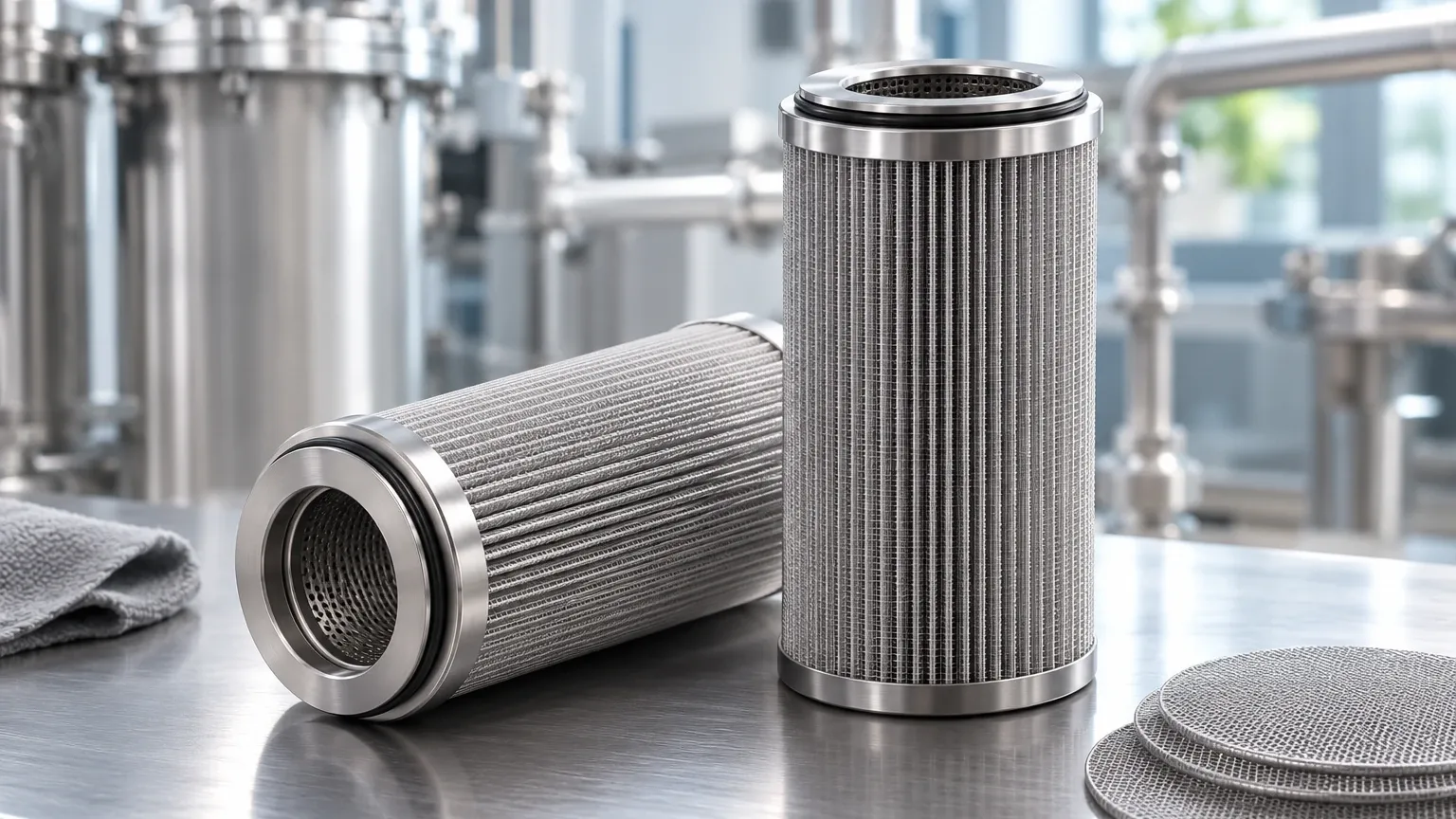
In industrial filtration systems, the reliability of a process often hinges on the integrity of its smallest components. For engineers managing high-pressure extrusion, chemical processing, or hydraulic systems, the procurement of a 2 pack filter replacement is frequently more than a simple purchasing task; it is a strategic decision to ensure continuous operation and maintain strict purity standards. Whether these packs are utilized as a primary and standby set or as a dual-stage filtration assembly, understanding the technical nuances of Filter Discs & Packs is essential for optimizing system performance and longevity.
Industrial filters, particularly those constructed from stainless steel wire mesh, are designed to withstand extreme environments where synthetic filters would fail. This guide examines the engineering considerations, material science, and selection criteria involved in choosing the correct replacement filters for demanding B2B applications.
Understanding the Engineering of Filter Discs & Packs
Filter discs and packs are multi-layered filtration components engineered to remove contaminants from liquid or gaseous media. In many industrial settings, these are not single-layer screens but complex assemblies of various mesh counts designed to achieve a specific micron rating while maintaining structural rigidity.
Multi-Layer Construction
A typical high-performance filter pack consists of three distinct layers:
1. The Filtration Layer: The middle layer, usually a fine Dutch weave or square weave mesh, determines the actual filtration accuracy (micron rating).
2. The Support Layer: Coarser mesh layers located on either side of the filtration layer to provide mechanical strength against high differential pressures.
3. The Drainage Layer: Ensures even flow distribution across the entire surface area of the disc, preventing localized clogging.
When sourcing a 2 pack filter replacement, engineers must verify that the layer configuration matches the original equipment manufacturer (OEM) specifications. A mismatch in the support structure can lead to mesh migration or media deformation under pressure, which compromises the downstream purity of the product.
Technical Criteria for 2 Pack Filter Replacement
Selecting a replacement filter requires a deep dive into the operational parameters of the machinery. Industrial applications in the chemical and pharmaceutical sectors cannot afford the risks associated with "generic" alternatives. The following technical factors are critical:
Micron Rating and Pore Size Distribution
Filtration efficiency is defined by the micron rating, which can be absolute or nominal. For critical applications, an absolute rating is preferred, ensuring that 99.9% of particles above a certain size are captured. When replacing a filter pack, it is vital to confirm that the pore size distribution is uniform across the entire disc. Inconsistent pore sizes lead to "channeling," where the fluid takes the path of least resistance, bypassing the intended filtration level.
Material Compatibility
Stainless steel is the industry standard due to its corrosion resistance and thermal stability. However, the specific grade of steel matters:
* SS 304: Suitable for general industrial use, food and beverage applications, and environments with low corrosive potential.
* SS 316/316L: Contains molybdenum, providing superior resistance to chlorides and acids, making it the preferred choice for marine, pharmaceutical, and chemical processing.
* Specialty Alloys: For extreme temperatures or highly aggressive chemicals, alloys like Monel or Inconel may be integrated into the filter pack design.
Pressure Drop (Delta P)
A new 2 pack filter replacement should ideally exhibit a low initial pressure drop. A high initial Delta P indicates that the filter is either too restrictive for the flow rate or that the mesh geometry is inefficient. Monitoring the rate at which the pressure drop increases during operation is the most reliable method for determining the remaining service life of the filter.
The Role of Filter Packs in High-Pressure Extrusion
One of the most common applications for high-quality filter discs is in the polymer extrusion industry. In these environments, the filter (often referred to as a screen pack) must remove "gels" and un-melted particulates from the polymer melt.
The mechanical stress in these systems is immense. A 2 pack filter replacement for an extruder must be able to withstand pressures exceeding 5,000 PSI without the individual layers delaminating. To prevent this, manufacturers like Kaifil utilize advanced spot welding or aluminum/stainless steel rimming (binding) techniques. The rim not only holds the layers together but also acts as a gasket, ensuring a leak-proof seal within the breaker plate assembly.
Why Quality Control Matters in B2B Procurement
For procurement teams, the total cost of ownership (TCO) of a filter is more important than the initial purchase price. A low-quality filter pack that fails prematurely can cause thousands of dollars in downtime and potential damage to downstream equipment like precision nozzles or hydraulic pumps.
Common Risks of Substandard Replacements
* Media Migration: Small fragments of the wire mesh breaking off and entering the process stream.
* Bypassing: Occurs when the filter disc is not perfectly circular or the rimming is uneven, allowing unfiltered material to pass around the edges.
* Premature Clogging: Inconsistent wire diameters or poor weaving techniques can reduce the effective open area of the mesh, leading to shorter replacement cycles.
When evaluating a 2 pack filter replacement, engineers should look for manufacturers who provide material certifications (MTRs) and perform rigorous bubble point testing to verify filtration accuracy.
Maintenance and Replacement Cycles
Knowing when to initiate a filter replacement is key to maintaining process efficiency. While some systems operate on a fixed schedule, the most efficient approach is condition-based maintenance.
Indicators for Replacement
1. Reaching Maximum Differential Pressure: Most systems have a set limit (e.g., 25-30 PSI) at which the filter is considered blinded.
2. Flow Rate Reduction: If the pump must work harder to maintain the same output, the filter is likely restricted.
3. Product Quality Variance: Any increase in particulate count in the final product is an immediate signal that the filter pack has been breached or is saturated.
In many dual-vessel systems, a 2 pack filter replacement strategy allows for a "duplex" setup. While one filter is in operation, the other is being cleaned or replaced. This ensures zero downtime during the maintenance window, a critical requirement for continuous manufacturing processes.
Customization Options for Industrial Filters
Standard sizes do not always meet the needs of specialized industrial equipment. Customization is a core strength of professional manufacturers like Kaifil. When a standard 2 pack filter replacement does not suffice, engineering teams can specify:
* Shape and Dimensions: Beyond circular discs, filters can be produced in oval, rectangular, or ring shapes to fit specific housing geometries.
* Layer Stacking: Custom sequences of mesh counts to handle high solids loading or specific particle size distributions.
* Edge Treatments: Options include ultrasonic welding, spot welding, or various metal bindings to suit the sealing requirements of the machine.
By working closely with a manufacturer, engineers can develop a bespoke filtration solution that improves the throughput of their specific application.
Conclusion: Selecting the Right Partner
Choosing a 2 pack filter replacement is a technical task that requires an understanding of fluid dynamics, metallurgy, and mechanical design. For B2B buyers, the goal is to find a reliable supplier that combines manufacturing precision with engineering support. High-quality Filter Discs & Packs are an investment in the stability of the production line.
By focusing on material integrity, precise micron ratings, and robust construction, companies can reduce their maintenance overhead and ensure that their filtration processes meet the highest industrial standards. When it comes to critical filtration components, the difference between a successful production run and a costly failure often lies in the quality of the wire mesh and the expertise of the manufacturer behind it.
