


3 Filter Pack
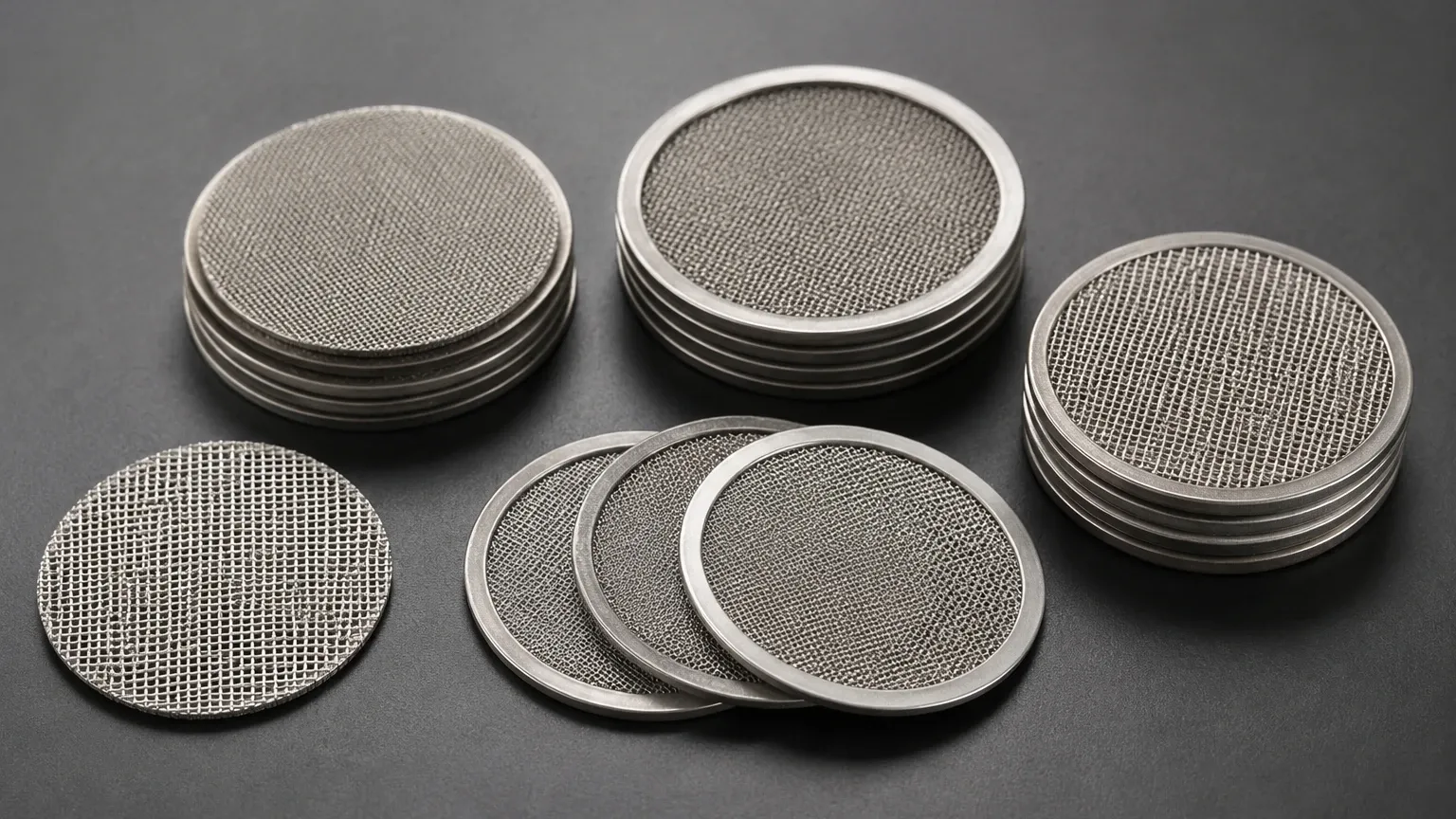
In industrial filtration, the efficiency of a system often depends on the structural integrity and precision of the filter media. A 3 filter pack represents a specialized multi-layer configuration designed to provide a balance between fine filtration accuracy and mechanical durability. These assemblies, often categorized under the broader heading of Filter Discs & Packs, are essential components in high-pressure environments such as polymer extrusion, chemical processing, and hydraulic systems.
As a professional manufacturer, Kaifil specializes in engineering these multi-layer stainless steel filtration solutions to meet specific industrial requirements. Understanding the technical nuances of a 3 filter pack—from layer composition to material selection—is critical for engineers and purchasing teams looking to optimize their filtration performance and reduce downtime.
The Anatomy of a 3 Filter Pack
A 3 filter pack is typically constructed as a "sandwich" of wire mesh layers. While single-layer filter discs are suitable for low-pressure or coarse filtration, multi-layer packs are required when the process involves high differential pressures or requires the capture of very fine particulates without the mesh deforming.
1. The Filtration Layer (Core)
The middle layer of a 3 filter pack is the primary functional component. This layer determines the micron rating of the entire assembly. Depending on the application, this might be a fine square weave mesh or a high-density Dutch weave mesh. Because this middle layer is often made of very fine wires to achieve high filtration precision, it lacks the structural strength to withstand high-pressure flow on its own.
2. The Support and Protective Layers (Outer)
The two outer layers serve a dual purpose. First, they provide mechanical support to the fine middle layer, preventing it from collapsing or stretching under the force of the fluid or melt. Second, they act as coarse pre-filters, capturing larger contaminants before they reach the fine mesh, thereby extending the service life of the pack. In a symmetric 3 filter pack, both outer layers are identical, whereas an asymmetric pack might use different mesh counts for the upstream and downstream sides to optimize flow dynamics.
Engineering Considerations for Multi-Layer Filter Packs
When specifying a 3 filter pack for industrial use, several engineering factors must be evaluated to ensure the component performs reliably under operational stress.
Material Selection
Stainless steel is the industry standard for these packs due to its thermal stability and corrosion resistance.
- SS 304: Suitable for general industrial applications where cost-effectiveness is a priority and the environment is not highly corrosive.
- SS 316/316L: Preferred for pharmaceutical, food and beverage, and aggressive chemical applications. The addition of molybdenum in 316 stainless steel provides superior resistance to pitting and crevice corrosion, particularly in chloride-rich environments.
- High-Temperature Alloys: For specialized extrusion processes, alloys like Inconel or Monel may be used, though stainless steel remains the most common choice for standard Filter Discs & Packs.
Mesh Weave Types
The performance of the 3 filter pack is heavily influenced by the weave type of the internal layers:
- Plain Weave: Offers high flow rates and is easy to clean, typically used for the outer support layers.
- Dutch Weave (Plain or Twilled): Provides much finer filtration ratings (down to 5-10 microns) and greater mechanical strength, making it the ideal choice for the central filtration layer in a 3 filter pack.
Performance Metrics: Pressure Drop and Filtration Accuracy
One of the most common challenges engineers face is balancing filtration fineness with the resulting pressure drop across the filter. A 3 filter pack is engineered to mitigate this through optimized layer sequencing.
Managing Differential Pressure (ΔP)
As fluid passes through the three layers, resistance naturally increases. If the mesh count is too high or the wire diameter too large, the pressure drop can become excessive, leading to pump strain or reduced throughput. Kaifil’s engineering approach involves calculating the open area of each layer to ensure that the 3 filter pack provides the necessary micron retention while maintaining a manageable ΔP.
Mechanical Stability
In plastic recycling or polymer extrusion, the filter pack is subjected to intense heat and pressure. A single-layer screen might migrate or tear. The 3-layer configuration ensures that the fine mesh is "locked" in place. For even greater stability, these packs are often spot-welded at multiple points or bound with a metal rim (typically aluminum or stainless steel) to prevent edge leakage and ensure a secure fit within the screen changer.
Industrial Applications of 3 Filter Packs
The versatility of the 3 filter pack makes it a staple in various heavy-duty industries. Its ability to be customized in terms of diameter, thickness, and micron rating allows it to fit into diverse machinery.
Polymer and Plastic Extrusion
In the production of films, fibers, and resins, contaminants can cause defects in the final product. A 3 filter pack is used in the screen changer to remove un-melted gels and foreign particles. The three-layer design is particularly effective here because it can withstand the high viscosity of molten polymers.
Chemical and Petrochemical Processing
Chemical filtration often requires high corrosion resistance and the ability to handle varying temperatures. Multi-layer packs are used to filter catalysts, additives, and raw chemical feeds. The use of SS 316L in these packs ensures longevity even when exposed to aggressive solvents.
Hydraulic and Oil Filtration
In hydraulic systems, keeping the fluid clean is paramount to preventing component wear. A 3 filter pack can be integrated into high-pressure lines to ensure that even microscopic metal shavings or environmental dust are removed before they reach sensitive valves and actuators.
Customization and Manufacturing Precision
Standard sizes do not always meet the needs of specialized industrial equipment. This is where the OEM capabilities of a manufacturer like Kaifil become essential. When ordering a 3 filter pack, technical teams should confirm several customization options:
1. Edge Processing: Should the pack be loose, spot-welded, or rimmed? Rimmed packs (using aluminum, copper, or stainless steel) provide the best seal and are easier to handle during installation.
2. Layer Sequence: Depending on the flow direction, the sequence of mesh counts can be adjusted. For example, a 20/100/20 mesh sequence is common for balanced support, while a 20/60/100 sequence might be used for graduated filtration.
3. Shape and Dimensions: While circular discs are most common, 3 filter packs can be manufactured in oval, rectangular, or ring shapes to fit specific housing designs.
Maintenance, Replacement, and Total Cost of Ownership
While the initial cost of a 3 filter pack is higher than a single-layer disc, the total cost of ownership (TCO) is often lower due to improved performance and protection of downstream equipment.
Cleaning vs. Replacement
In many applications, especially those involving polymers, the filter packs are considered consumables. However, in certain chemical or water treatment applications, stainless steel 3 filter packs can be cleaned using ultrasonic baths or chemical solvents. The durability of the multi-layer construction allows these packs to withstand cleaning cycles better than single-layer meshes, which may deform during the process.
Determining Replacement Cycles
Replacement cycles are typically dictated by the pressure drop. When the ΔP reaches a pre-determined threshold (indicating the mesh is blinded by contaminants), the pack must be replaced. Using a high-quality 3 filter pack with a graduated layer structure can significantly extend the time between these replacements, directly impacting the productivity of the manufacturing line.
Conclusion
Selecting the right Filter Discs & Packs is a critical decision for any industrial operation involving fluid or gas filtration. The 3 filter pack offers a robust, reliable, and highly customizable solution for demanding environments. By understanding the relationship between mesh layers, material properties, and mechanical stress, engineers can select a filtration component that not only meets their micron requirements but also enhances the overall efficiency of their system.
Kaifil remains committed to providing precision-engineered stainless steel filtration solutions. Whether you require standard sizes or a custom-designed 3 filter pack for a unique application, our technical expertise ensures that your filtration challenges are met with durable, high-performance products.
