


7 X 7 Filter
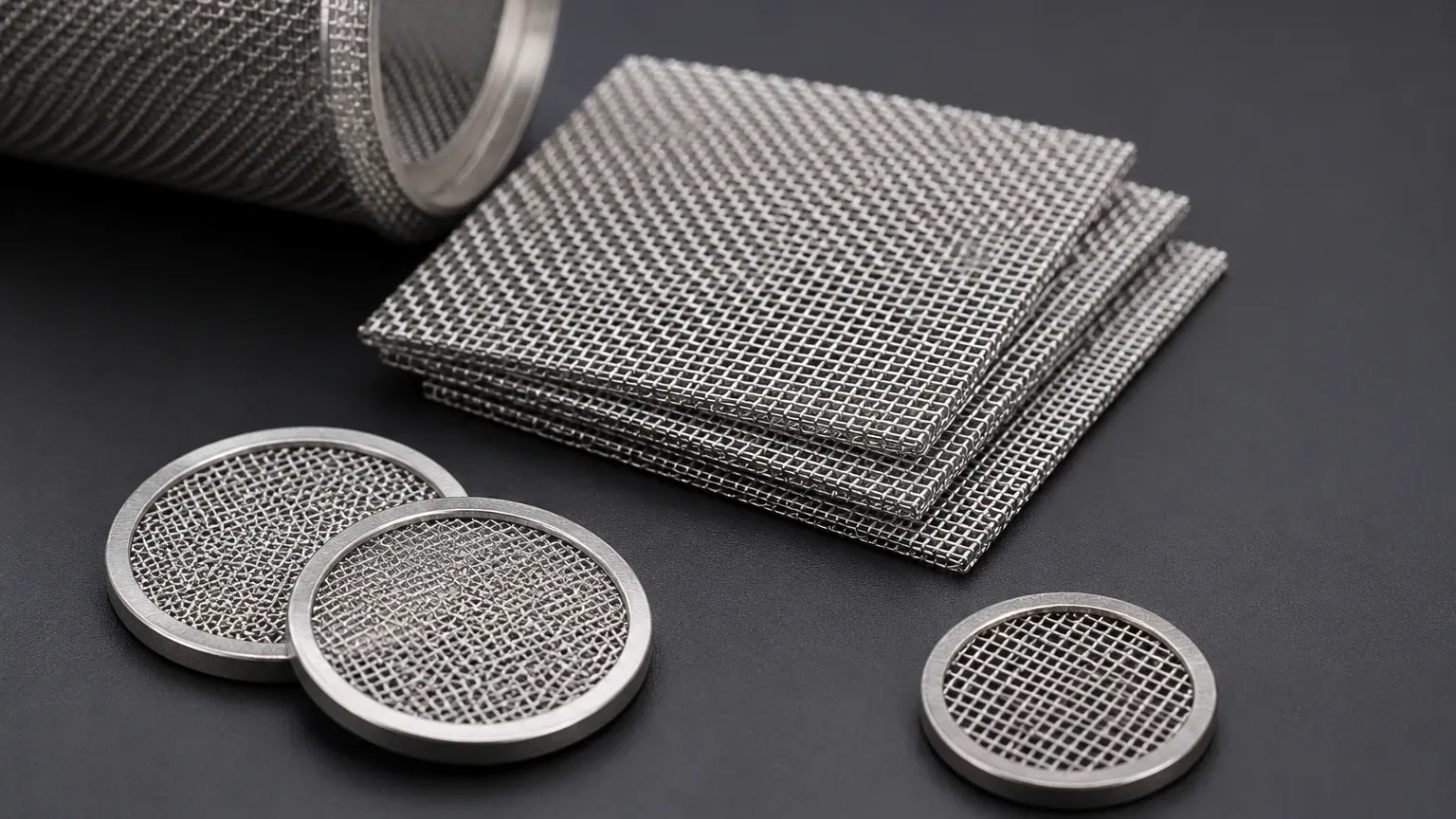
In the landscape of industrial filtration, precision and structural integrity are the primary drivers of process efficiency. The 7 x 7 filter, typically referring to a 7-inch by 7-inch square or rectangular filter component, is a critical specification in various high-pressure and high-temperature environments. These components are frequently utilized within the broader category of Filter Discs & Packs to provide reliable particle separation in plastic extrusion, chemical processing, and hydraulic systems.
Selecting the correct 7 x 7 filter requires a deep understanding of wire mesh metallurgy, weave patterns, and assembly techniques. For engineers and procurement specialists, the goal is to balance filtration fineness with the mechanical strength necessary to withstand the differential pressures inherent in industrial fluid dynamics. This guide explores the technical parameters, material considerations, and engineering requirements for 7 x 7 filtration components.
Technical Specifications of 7 x 7 Filter Components
When specifying a 7 x 7 filter, the dimensions are only the starting point. The performance of the filter is dictated by the characteristics of the wire mesh used in its construction. Industrial filters of this size are often fabricated from woven stainless steel wire cloth, which offers superior resistance to corrosion and thermal degradation.
Mesh Count and Aperture Size
The mesh count—the number of wires per linear inch—determines the filtration rating. For a 7 x 7 filter used in coarse filtration, a lower mesh count with thicker wires might be employed. Conversely, for fine particulate removal, multi-layer packs incorporating high-mesh-count layers (up to 400 or 500 mesh) are standard. Engineers must calculate the "open area" percentage to ensure that the filter does not cause an excessive pressure drop, which could lead to equipment strain or reduced throughput.
Wire Diameter and Material Grade
The diameter of the wire used in the 7 x 7 filter directly impacts its mechanical strength and the size of the particles it can intercept. Common materials include:
* AISI 304 Stainless Steel: The standard choice for general industrial applications, offering good corrosion resistance and affordability.
* AISI 316/316L Stainless Steel: Preferred for chemical processing and marine environments due to the addition of molybdenum, which enhances resistance to pitting and chloride-induced corrosion.
* Specialty Alloys: In highly corrosive or extreme-temperature environments, alloys like Monel, Inconel, or Hastelloy may be required to maintain the structural integrity of the 7 x 7 filter.
Weave Types and Their Impact on Performance
The method by which the wires are interwoven significantly influences the flow characteristics and loading capacity of the 7 x 7 filter. Different weave patterns are selected based on the specific requirements of the application.
Plain Weave
This is the most common weave for 7 x 7 filters. Each warp wire crosses over and under each shute wire. It provides a consistent aperture size and is ideal for straightforward screening and separation tasks where high flow rates are prioritized.
Twill Weave
In a twill weave, each shute wire passes over and under two warp wires. This allows for the use of heavier wires in a given mesh count, resulting in a more robust 7 x 7 filter that can handle higher mechanical loads without deforming. It is often used in high-pressure hydraulic systems.
Dutch Weave (Plain and Twill)
Dutch weaves utilize different diameters for warp and shute wires. This creates a dense, multi-layered structure within a single mesh sheet. Dutch weave 7 x 7 filters are characterized by their high strength and extremely fine filtration ratings (down to 5-10 microns), making them essential for precision polymer melt filtration.
Design Variations: Single Layer vs. Multi-Layer Packs
A 7 x 7 filter is rarely a simple piece of mesh. Depending on the application, it may be designed as a single-layer screen or a complex multi-layer pack. The construction method is vital for ensuring the filter remains seated correctly within the housing or screen changer.
Single-Layer 7 x 7 Filters
Single-layer filters are used in low-pressure applications or as pre-filters to remove large contaminants. They are cost-effective and easy to clean, but they lack the depth-loading capacity of multi-layer designs.
Multi-Layer Filter Packs
In many extrusion and recycling processes, a 7 x 7 filter consists of several layers of mesh stacked together. This configuration typically follows a "coarse-fine-coarse" arrangement. The outer coarse layers provide structural support (acting as a breaker plate interface), while the inner fine layers perform the actual filtration.
These layers can be joined in several ways:
* Spot Welding: The layers are welded at several points along the perimeter to keep them aligned during installation.
* Aluminum or Stainless Steel Rims: The edges of the 7 x 7 filter are encased in a metal frame. This not only prevents bypass (fluid leaking around the edges) but also adds significant rigidity, ensuring the pack does not collapse under high differential pressure.
Engineering Considerations for High-Pressure Environments
In B2B industrial sectors, the 7 x 7 filter is often subjected to harsh operating conditions. Failure to account for these factors during the selection process can lead to premature filter failure, downstream contamination, or catastrophic equipment damage.
Pressure Drop (Delta P)
As contaminants accumulate on the surface of the 7 x 7 filter, the pressure drop across the mesh increases. Engineers must specify the maximum allowable Delta P before the filter must be cleaned or replaced. A well-designed filter pack maximizes the effective filtration area to extend the service life between maintenance intervals.
Mechanical Fatigue and Burst Strength
In pulsating flow environments, such as those found in certain hydraulic or reciprocating pump systems, the 7 x 7 filter mesh can experience fatigue. Choosing a wire diameter and weave that offers high tensile strength is critical. For extremely high pressures, the filter may require a reinforced backing or a thicker support mesh to prevent the fine filtration layers from "bursting" or migrating into the downstream flow.
Thermal Stability
Many 7 x 7 filters are used in molten polymer extrusion where temperatures can exceed 300°C (572°F). The filter material must maintain its yield strength at these temperatures. Stainless steel 316L is frequently the material of choice here, as it resists oxidation and maintains its dimensional stability under thermal cycling.
Common Applications for 7 x 7 Filters
The versatility of the 7 x 7 dimensions makes these filters a staple in several key industries. Understanding the specific demands of these applications helps in selecting the right Filter Discs & Packs for the job.
Plastic and Rubber Extrusion
In the production of films, pipes, and profiles, 7 x 7 filters are used in screen changers to remove un-melted resin, carbonized particles, and foreign contaminants. The square format is often used in slide-plate screen changers where the filter must fit precisely into a recessed pocket.
Chemical and Petrochemical Processing
7 x 7 filters serve as catalyst recovery screens or as protective filters for sensitive instrumentation. Their ability to be manufactured from corrosion-resistant alloys ensures longevity in the presence of aggressive solvents and acids.
Food and Beverage Filtration
In the processing of viscous food products (such as chocolate or syrups), 7 x 7 stainless steel filters provide a hygienic solution for removing oversized particles. The use of 316L stainless steel ensures compliance with food safety standards and allows for rigorous Clean-in-Place (CIP) procedures.
Quality Control and Procurement Best Practices
When sourcing a 7 x 7 filter, technical documentation and quality assurance are paramount. Purchasing teams should confirm several key details with the manufacturer to ensure the product meets the required engineering standards.
1. Material Certification: Request Mill Test Reports (MTRs) to verify the chemical composition of the stainless steel. This prevents the accidental use of lower-grade materials that may fail in corrosive environments.
2. Micron Rating Verification: Ensure the manufacturer uses calibrated testing methods to verify the pore size of the mesh, especially for Dutch weave or multi-layer packs.
3. Dimensional Tolerance: For a 7 x 7 filter to seat properly in a machine, the dimensional tolerances must be tight (often within +/- 0.010 inches). Poorly cut filters can lead to "leakage" or bypass, where unfiltered fluid bypasses the mesh entirely.
4. Edge Integrity: For rimmed or bordered filters, check the quality of the crimping or welding. Sharp edges or loose wires can damage seals or introduce metallic fragments into the product stream.
Maintenance, Cleaning, and Replacement Cycles
The total cost of ownership for a 7 x 7 filter is influenced by whether the component is treated as a consumable or a cleanable asset.
Disposable vs. Reusable
In many high-volume extrusion processes, 7 x 7 filter packs are treated as consumables. Once the pressure drop reaches a critical limit, the pack is replaced. However, in applications where the contaminants are non-adhesive, stainless steel mesh filters can often be cleaned using ultrasonic baths, high-pressure water jets, or burnout furnaces (for removing polymer residue).
Signs of Wear
Regular inspection of used 7 x 7 filters can provide valuable data on the health of the production line. For example, the presence of excessive metallic fines on the filter may indicate upstream pump wear, while uneven loading across the 7 x 7 surface could suggest flow distribution issues within the filter housing.
Conclusion
The 7 x 7 filter is a fundamental component in industrial separation technology. By focusing on material science, weave precision, and structural design, engineers can optimize their filtration processes for maximum reliability and efficiency. Whether used as a single-layer screen or a complex multi-layer pack, these components ensure that downstream products and equipment remain free from harmful contaminants. When selecting Filter Discs & Packs, partnering with a manufacturer that understands these technical nuances is essential for achieving long-term operational success.
