


Filter Disc Hs Code
In the global landscape of industrial procurement, the precision of technical specifications is matched only by the necessity of accurate logistical documentation. For engineers and purchasing managers sourcing filtration components internationally, understanding the filter disc hs code (Harmonized System code) is a critical step in ensuring seamless customs clearance, regulatory compliance, and accurate cost forecasting.
Filter discs and packs are foundational components in industries ranging from polymer extrusion and chemical processing to food and beverage production. Because these components are often made from specialized materials like stainless steel wire mesh and are engineered to exact tolerances, their classification for international trade requires a nuanced understanding of both the product's physical characteristics and its intended application.
Technical Overview of Filter Discs & Packs
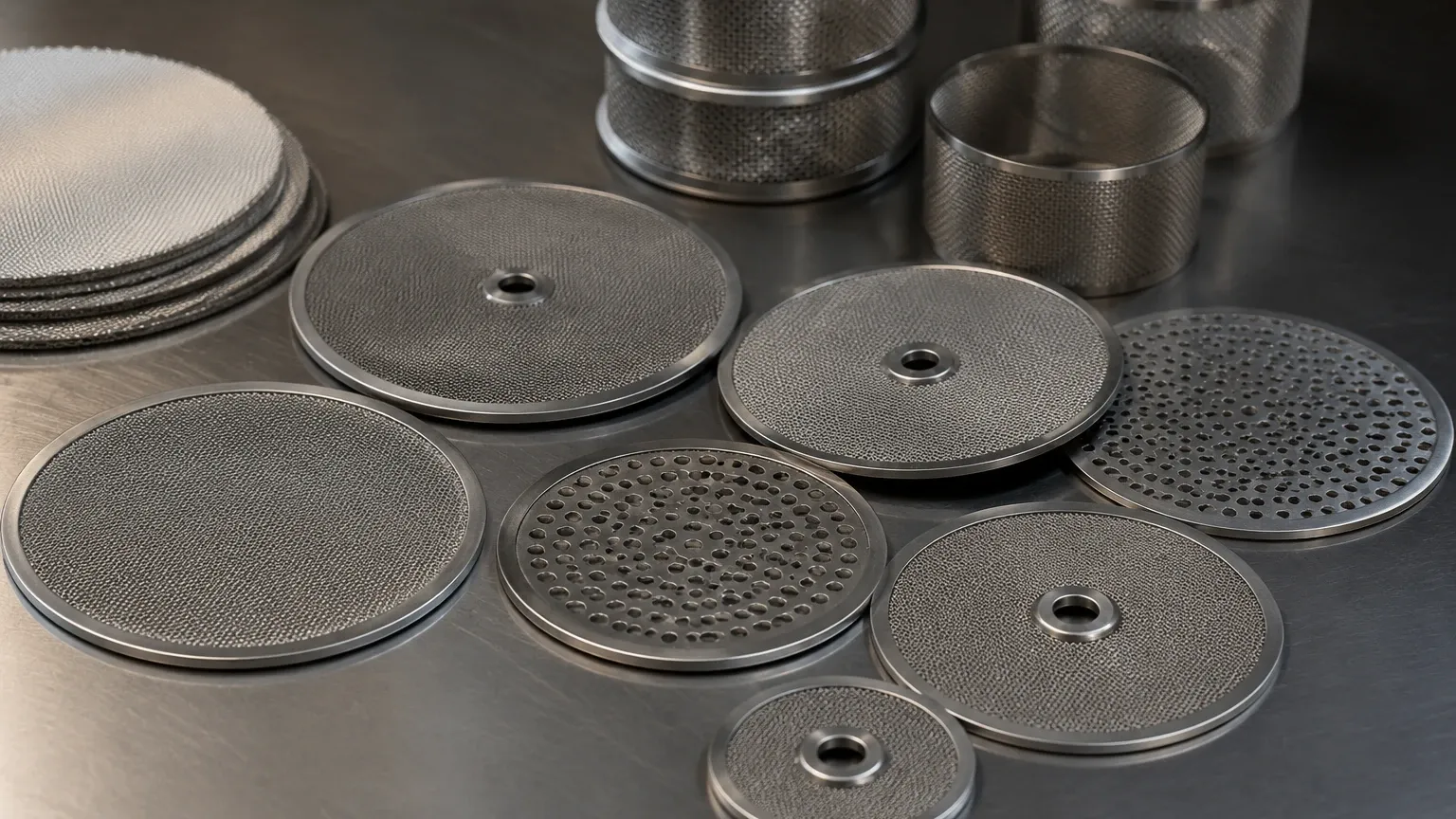
Before addressing the complexities of trade classification, it is essential to define the engineering parameters of Filter Discs & Packs. These components are not merely circular pieces of mesh; they are highly engineered filtration media designed to withstand high pressures, corrosive environments, and extreme temperatures.
Material Composition
Most industrial filter discs are manufactured from stainless steel, specifically grades such as AISI 304, 316, and 316L. These materials are selected for their oxidation resistance and mechanical strength. In specialized chemical or pharmaceutical applications, alloys like Hastelloy or Monel may be utilized. The material composition is the primary factor in determining the first few digits of an HS code, as the system is fundamentally organized by material type.
Construction and Layers
Filter discs can be categorized into several types based on their construction:
* Single-Layer Discs: These are cut from a single sheet of wire mesh and are typically used in low-pressure applications or as primary strainers.
* Multi-Layer Mesh Packs: These consist of several layers of mesh, often with varying micron ratings, stacked together. The layers are usually arranged with a fine filtration mesh in the center, supported by coarser meshes on either side to provide structural integrity.
* Sintered Filter Discs: In these components, multiple layers of wire mesh are bonded together through a high-temperature sintering process. This creates a porous metal plate that is extremely durable and cannot be delaminated, making it ideal for high-pressure hydraulic and polymer filtration.
* Rimmed or Framed Discs: To ensure a leak-proof seal within a filter housing or extruder, discs are often finished with a metal rim (typically aluminum, copper, or stainless steel). This "binding" or "framing" process adds a layer of complexity to the manufacturing and, occasionally, the classification of the item.
The Role of the HS Code in Industrial Trade
The Harmonized System (HS) is an internationally standardized system of names and numbers to classify traded products. Developed and maintained by the World Customs Organization (WCO), it is used by more than 200 countries as a basis for their customs tariffs and for the collection of international trade statistics.
For a technical buyer, the filter disc hs code serves several functions:
1. Duty Determination: The code dictates the import duty rate applied by the destination country. An incorrect code can lead to overpayment or, conversely, underpayment which results in legal penalties.
2. Regulatory Compliance: Certain codes may trigger specific inspections or require additional certifications (such as food-grade material declarations or pressure vessel standards).
3. Supply Chain Efficiency: Accurate documentation prevents shipments from being held at customs for "tariff misclassification," which can delay production schedules in manufacturing plants.
Identifying the Correct Filter Disc HS Code
Classifying industrial filters can be challenging because they often sit at the intersection of "articles of metal" and "machinery parts." The following are the most common HS codes used for stainless steel filter discs and packs.
Chapter 73: Articles of Iron or Steel
Many customs authorities classify wire mesh filters under Chapter 73, which covers articles of iron or steel. Specifically:
* HS Code 7314: This heading covers cloth (including endless bands), grill, netting, and fencing, of iron or steel wire. If a filter disc is viewed simply as a shaped piece of wire mesh without significant mechanical framing or specialized assembly, it may fall under 7314.14 (Other woven cloth of stainless steel).
* HS Code 7326: This is a "catch-all" category for "Other articles of iron or steel." Filter discs that have been further processed—such as those with welded rims or multi-layer sintered constructions that are no longer considered simple "cloth"—are frequently classified under 7326.90.
Chapter 84: Nuclear Reactors, Boilers, Machinery, and Mechanical Appliances
If a filter disc is designed as an essential, identifiable part of a specific machine, it may be classified under Chapter 84.
* HS Code 8421: This heading covers centrifuges, including centrifugal dryers; filtering or purifying machinery and apparatus, for liquids or gases.
* HS Code 8421.99: This sub-heading is designated for "Parts" of filtering or purifying machinery. In many B2B transactions, if the filter disc is specifically engineered for a hydraulic system, a water treatment plant, or a chemical reactor, it is classified here as a replacement part rather than a metal article.
Engineering Considerations for Classification
When determining which code to apply, engineers and procurement teams should evaluate the following technical attributes:
1. Intended Use and Machine Compatibility
Is the filter disc a generic consumable or a proprietary part for a specific piece of equipment? If the disc has unique dimensions, mounting holes, or structural reinforcements that make it usable only in a specific brand of extruder or hydraulic unit, the "Parts of Machinery" (8421.99) classification is often more appropriate.
2. Manufacturing Complexity
A single-layer mesh circle is chemically and mechanically different from a five-layer sintered laminate. Sintered products are often classified differently because the sintering process transforms the material from a "woven wire cloth" into a "porous metal plate." This distinction is vital for avoiding disputes with customs officials who may perform a physical inspection of the goods.
3. Micron Rating and Filtration Precision
While the HS code system does not usually differentiate by micron rating, the level of precision often dictates the "industrial" nature of the product. High-precision discs used in pharmaceutical or aerospace applications are almost always classified as machinery parts (8421.99) due to their critical role in the mechanical system's function.
Common Risks of Misclassification
Using an incorrect filter disc hs code can have significant financial and operational repercussions for a B2B enterprise.
* Tariff Evasion Penalties: Even if unintentional, using a code with a lower duty rate than the correct one can be flagged as fraud. Customs authorities can audit records for several years and demand back-payment of duties plus interest and fines.
* Anti-Dumping Duties (ADD): Some countries impose ADD on specific steel products from certain regions. If a filter disc is classified under a general steel code (Chapter 73) instead of a machinery part code (Chapter 84), it might inadvertently become subject to high anti-dumping duties.
* Seizure of Goods: In extreme cases of misdeclaration, customs may seize the shipment, leading to a total loss of the investment and a disruption of the production line that was awaiting the components.
How Manufacturers Support the Procurement Process
Professional manufacturers of Filter Discs & Packs, such as Kaifil, play a vital role in the logistical success of an order. Beyond the technical production of the filters, the manufacturer provides the necessary documentation to support the chosen HS code.
Material Test Reports (MTRs)
To justify a classification within the stainless steel chapters, an MTR is required. This document confirms the chemical composition of the alloy (e.g., the percentage of Chromium, Nickel, and Molybdenum), proving that the product meets the definitions set forth in the HS system.
Technical Drawings and Data Sheets
When a buyer claims a filter is a "part of a machine" (8421.99), customs may request proof. A detailed technical drawing showing the specialized rim, the specific layering sequence, and the application parameters helps substantiate this claim. Manufacturers provide these specifications to ensure that the buyer’s customs broker has a strong case for the selected classification.
Customization and OEM Expertise
For many B2B applications, off-the-shelf filters are insufficient. Customization—whether it involves specific diameters, multi-stage filtration gradients, or specialized welding techniques—often changes the physical nature of the product. An experienced manufacturer understands how these customizations influence the filter disc hs code and can advise the purchasing team on the most accurate description for the commercial invoice.
Conclusion: Best Practices for B2B Buyers
Navigating the intersection of engineering and international trade requires a proactive approach. To ensure the smooth acquisition of filter discs and packs, technical professionals should follow these steps:
1. Consult with a Customs Broker: Before placing a large international order, provide the manufacturer’s technical data sheet to a licensed customs broker to confirm the correct HS code for your specific region.
2. Request Detailed Invoices: Ensure the manufacturer describes the product accurately. Instead of "Metal Discs," the description should read "Stainless Steel Wire Mesh Filter Discs for [Specific Application]," followed by the agreed-upon HS code.
3. Evaluate Total Cost of Ownership (TCO): When comparing quotes from different global suppliers, always factor in the duty rates associated with the HS code. A lower unit price from one supplier may be offset by higher import duties if the product is classified under a different tariff heading.
4. Verify Material Integrity: Ensure the supplier provides MTRs. This not only guarantees the performance of the filter in your industrial process but also serves as the primary evidence for customs classification.
By treating the filter disc hs code as a technical specification rather than a mere logistical detail, engineering and procurement teams can optimize their supply chains, reduce legal risks, and ensure that their filtration systems operate with the high-quality components they require.
