


Pool Filter Discs
In large-scale aquatic facilities, industrial water treatment plants, and commercial pool systems, the efficiency of the filtration cycle is the primary determinant of water quality and operational overhead. While residential systems often rely on disposable media, professional-grade systems frequently utilize robust, reusable components. Among these, pool filter discs—specifically those engineered from stainless steel wire mesh—represent a critical technology for achieving high-precision filtration and long-term durability.
For engineers and facility managers, selecting the correct Filter Discs & Packs involves a deep understanding of fluid dynamics, material science, and the specific chemical environment of the application. This guide examines the technical specifications, engineering considerations, and selection criteria necessary for integrating high-performance filter discs into industrial-scale pool and water treatment systems.
Understanding the Role of Filter Discs in Industrial Water Systems
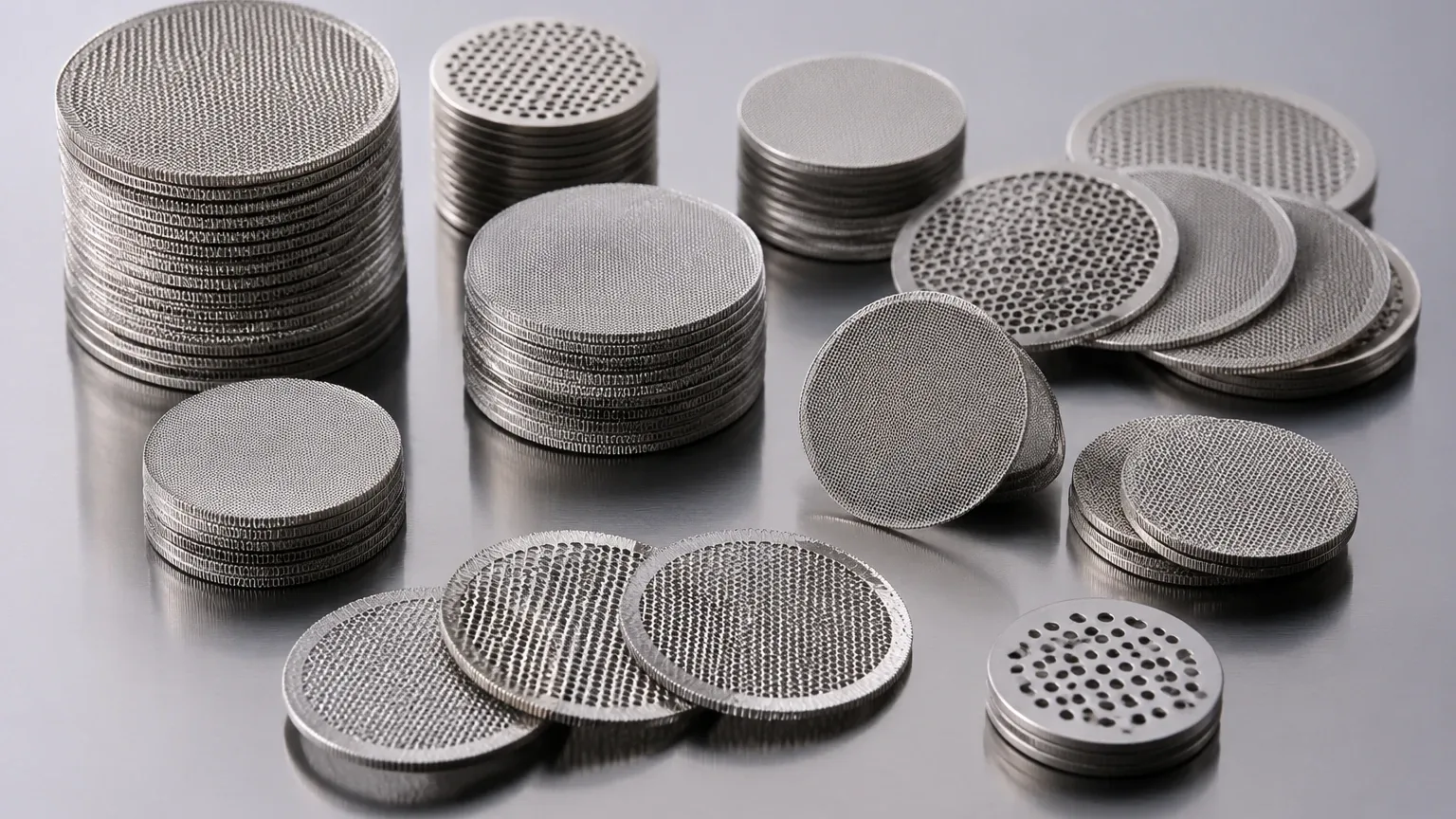
Filter discs are circular filtration components designed to remove suspended solids from a liquid stream. In the context of large-scale pool systems, these discs are often arranged in stacks or packs to maximize the surface area within a compact filter housing. Unlike sand or cartridge filters that may struggle with high-pressure fluctuations or chemical degradation, stainless steel pool filter discs offer a rigid, stable structure that maintains its pore size under stress.
In industrial water treatment, the "pool" designation often extends to cooling towers, large-scale fountains, and aquatic theme park systems. In these environments, the filtration system must handle significant flow rates while removing fine particulates, organic matter, and chemical precipitates. The use of precision-engineered discs allows for a predictable pressure drop and a consistent filtration rating, which is essential for automated system monitoring and maintenance scheduling.
Technical Specifications and Material Selection
The performance of pool filter discs is fundamentally tied to the materials used in their construction. Because pool water is treated with oxidizing agents like chlorine, bromine, or ozone, the filter media must exhibit exceptional corrosion resistance.
Stainless Steel Alloys
Stainless steel is the industry standard for high-durability filtration. The two most common alloys used are:
* Grade 304: Suitable for general water filtration where chemical exposure is moderate. It offers excellent mechanical strength and cost-effectiveness.
* Grade 316L: The preferred choice for environments with high chloride concentrations or aggressive chemical treatments. The addition of molybdenum provides superior resistance to pitting and crevice corrosion, ensuring a longer service life in saline or heavily chlorinated pool systems.
Mesh Weave Types
The weave pattern of the wire mesh determines the filtration accuracy and the flow characteristics of the disc. Common weaves include:
* Plain Weave: A simple over-under pattern that provides high flow rates and is easy to clean. It is typically used for coarser filtration stages.
* Dutch Weave: This weave utilizes different wire diameters for the warp and shute, resulting in a much tighter, denser mesh. It is ideal for high-pressure applications requiring fine micron ratings (down to 5–10 microns).
* Twill Weave: Allows for the use of heavier wires in a fine mesh, providing increased durability for demanding industrial applications.
Engineering Considerations for High-Performance Filtration
When designing or retrofitting a filtration system, engineers must account for several variables that impact the efficiency of pool filter discs. A failure to match the disc specifications to the system requirements can lead to premature clogging, structural failure, or inadequate water clarity.
Filtration Accuracy (Micron Rating)
The micron rating defines the size of the smallest particle the filter is designed to intercept. For pool applications, this usually ranges from 10 to 100 microns. While finer filtration results in clearer water, it also increases the frequency of backwashing or manual cleaning. Engineers must balance the desired water quality with the allowable pressure drop across the filter pack.
Structural Integrity and Layering
Filter discs can be produced as single-layer components or multi-layer sintered packs. Sintered discs involve bonding multiple layers of wire mesh together through a heat-treatment process. This creates a highly stable structure where the pore sizes are fixed, preventing "media migration" or pore enlargement under high-pressure conditions. In high-flow pool systems, multi-layer discs provide the mechanical strength necessary to resist deformation during the filtration and backwash cycles.
Edge Treatment and Sealing
To prevent bypass—where unfiltered water leaks around the edges of the disc—proper edge treatment is vital. Options include:
* Spot Welding: Secures multiple layers together at the perimeter.
* Aluminum or Stainless Steel Binding: A metal U-clip or frame is pressed around the edge, providing a rigid seal and protecting the mesh from fraying.
* Rubber or Synthetic Gaskets: Used when the disc must be compressed within a housing to create a liquid-tight seal.
Evaluating Pool Filter Discs for Large-Scale Applications
For purchasing teams and technical professionals, evaluating the quality of pool filter discs requires looking beyond the initial price point. The total cost of ownership (TCO) is heavily influenced by the disc's durability and ease of maintenance.
Flow Rate and Pressure Drop
Every filter introduces resistance into the system. An engineered filter disc should provide the maximum possible open area to minimize the pressure drop. A high pressure drop forces the pump to work harder, increasing energy consumption and wear on the entire hydraulic circuit. High-quality wire mesh discs are designed to provide a high flow-to-surface-area ratio, optimizing energy efficiency.
Chemical Compatibility
In addition to the primary disinfectant, pool water may contain pH adjusters, algaecides, and flocculants. The filter discs must be chemically inert to these substances. Stainless steel's passivated surface layer provides a robust barrier against chemical attack, which is a significant advantage over plastic or fabric-based media that may embrittle or dissolve over time.
Resistance to Biofouling
In aquatic environments, the buildup of biofilm can quickly blind a filter. Stainless steel surfaces are generally less conducive to bacterial attachment than porous organic media. Furthermore, metal discs can withstand more aggressive chemical cleaning or thermal sterilization if biofouling becomes a systemic issue.
Maintenance, Cleaning, and Replacement Cycles
One of the primary advantages of utilizing stainless steel pool filter discs is their cleanability. Unlike disposable cartridges, these discs can be cleaned and returned to service multiple times, significantly reducing waste and long-term material costs.
Cleaning Methods
* Backwashing: Reversing the flow of water to dislodge trapped particulates. The rigid structure of metal discs allows for higher backwash pressures, which can be more effective at clearing the mesh.
* Ultrasonic Cleaning: For deep cleaning of fine meshes or sintered discs, ultrasonic baths use high-frequency sound waves to remove microscopic debris from within the mesh layers.
* Chemical Soaking: Using mild acids or specialized detergents to dissolve mineral scale or organic deposits without damaging the stainless steel substrate.
Determining Replacement Cycles
While highly durable, filter discs are not infinite. Replacement is typically necessitated by mechanical damage (such as tearing of the mesh) or irreversible blinding (where particulates become permanently lodged in the pores). Regular inspection of the disc surface and monitoring of the differential pressure across the filter housing are the most reliable methods for determining when a disc has reached the end of its functional life.
Strategic Procurement: Customization and OEM Capabilities
In many industrial and commercial applications, off-the-shelf filtration components may not meet the specific spatial or performance requirements of a custom-built system. This is where partnering with a specialized manufacturer becomes essential.
Customization options for Filter Discs & Packs include:
* Bespoke Dimensions: Manufacturing discs to exact diameters and center-hole specifications to fit proprietary filter housings.
* Layer Configuration: Selecting specific mesh counts for the drainage, support, and filtration layers to optimize performance for a particular water chemistry.
* Material Certification: Providing mill test reports (MTRs) to verify the alloy composition, ensuring compliance with pharmaceutical or food-grade water standards where applicable.
For OEM equipment manufacturers, sourcing high-quality pool filter discs is a matter of brand reputation. The reliability of the filtration component directly reflects the reliability of the entire system. By working with a manufacturer that understands the nuances of wire mesh engineering, OEMs can ensure their products deliver consistent, high-clarity water for their end-users.
Conclusion
Selecting pool filter discs for industrial-scale applications is a technical decision that impacts water safety, energy consumption, and maintenance labor. Stainless steel wire mesh discs provide the durability, chemical resistance, and precision required for the most demanding aquatic environments. By focusing on material grade, weave type, and structural integrity, engineers can implement filtration solutions that offer superior performance and a lower total cost of ownership compared to traditional media. Whether for a large aquatic center, a municipal water feature, or a specialized industrial process, high-quality filter discs are the foundation of a reliable and efficient water treatment system.
