


Pall Sintered Metal Filters
In the landscape of industrial filtration, the demand for components that can withstand extreme temperatures, corrosive chemicals, and high-pressure differentials is constant. Among the most reliable solutions in this category are sintered metal filters. Often associated with industry-leading standards such as those established by Pall, these filters represent the pinnacle of porous metal technology. For engineers and procurement specialists, understanding the technical nuances of pall sintered metal filters—and the broader category of Sintered Metal Filters—is essential for optimizing process efficiency and ensuring equipment longevity.
Sintered metal media are engineered to provide precise filtration levels while maintaining structural integrity under conditions that would destroy polymer or paper-based filters. This article explores the engineering principles, material science, and application considerations necessary for selecting and maintaining these critical industrial components.
The Engineering Principles of Sintered Metal Media
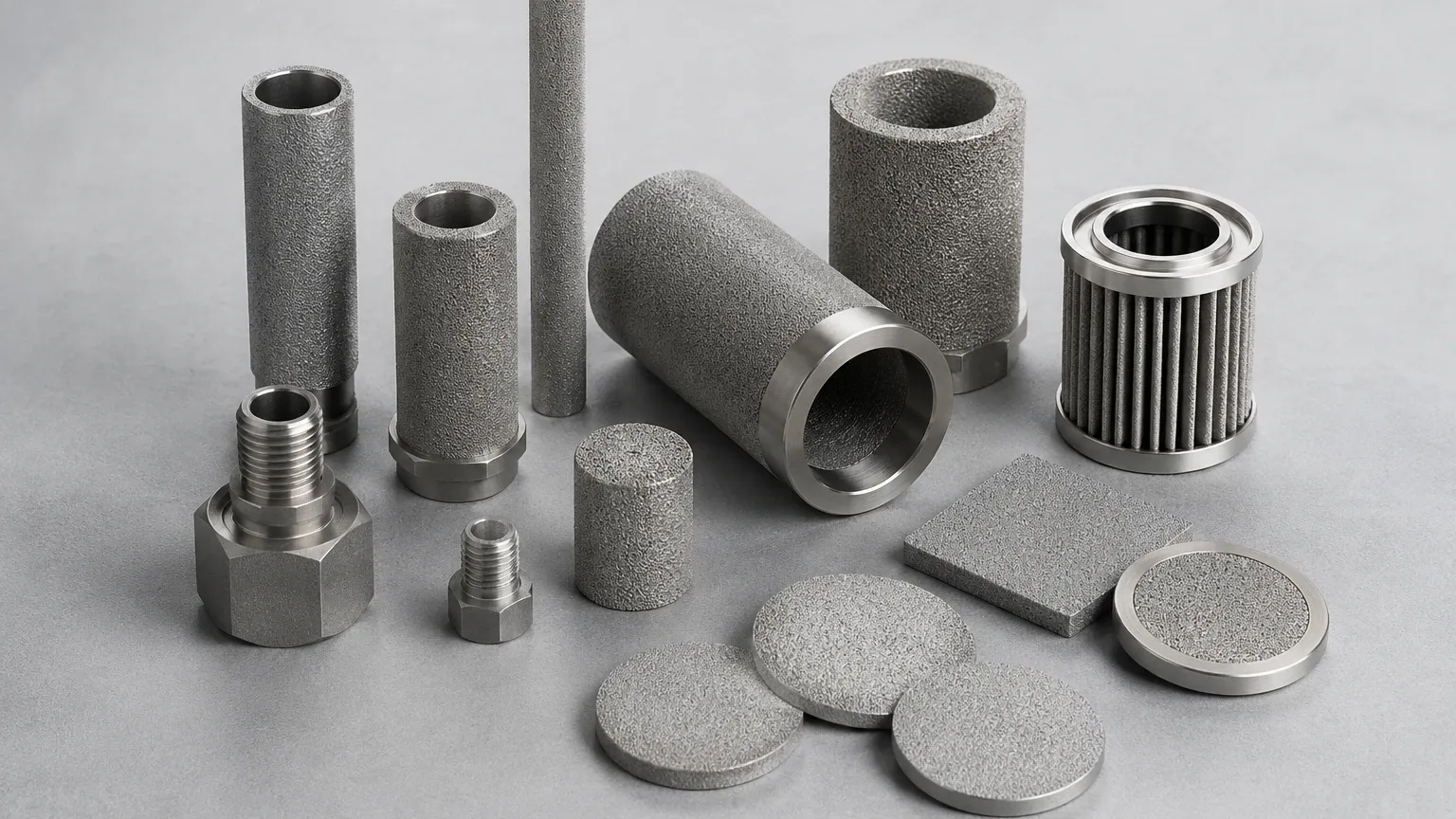
The performance of a sintered metal filter is rooted in its manufacturing process. Sintering is a metallurgical process where metal powders or fibers are heated to a temperature just below their melting point. Under controlled atmospheres, the contact points of the metal particles fuse together through a process called diffusion bonding. This creates a rigid, porous structure that retains the chemical and thermal properties of the base metal.
Unlike woven wire mesh, which relies on the intersection of individual wires, sintered media offer a three-dimensional depth. This structure provides several engineering advantages:
* Fixed Pore Geometry: Once the sintering process is complete, the pores are locked in place. This prevents "unloading" of contaminants even when the filter is subjected to high pressure surges or mechanical vibration.
* High Porosity: Advanced manufacturing allows for high void volumes, which translates to lower initial pressure drops and higher dirt-holding capacities.
* Mechanical Strength: The fused nature of the media means it can serve as a self-supporting structural element, often eliminating the need for internal perforated cores in certain low-pressure applications.
When evaluating pall sintered metal filters, engineers typically look for high-uniformity pore distribution, which ensures consistent flow rates across the entire surface area of the filter element.
Material Selection for Corrosive and High-Temperature Environments
The primary advantage of using Sintered Metal Filters is their compatibility with harsh environments. Material selection is the most critical decision in the specification process, as it dictates the filter's resistance to chemical attack and thermal degradation.
Stainless Steel (316L)
316L stainless steel is the industry standard for most industrial applications. It offers excellent resistance to general corrosion and can operate in temperatures up to 800°F (427°C) in oxidizing environments, and even higher in reducing environments. Its low carbon content helps prevent carbide precipitation during welding, ensuring the integrity of the filter end caps and seams.
Nickel-Based Alloys (Inconel, Monel, Hastelloy)
For applications involving highly acidic or alkaline fluids, or temperatures exceeding the limits of stainless steel, nickel-based alloys are utilized. Hastelloy, for example, is frequently used in chemical processing plants where hydrochloric or sulfuric acids are present. Monel is often the material of choice for oxygen service and hydrofluoric acid filtration.
Titanium
In applications where weight is a factor or where specific corrosive agents like seawater or wet chlorine are present, sintered titanium filters provide a high strength-to-weight ratio and exceptional biocompatibility, making them suitable for pharmaceutical and aerospace sectors.
Performance Metrics: Micron Ratings and Pressure Differential
Specifying a filter requires a deep dive into its performance metrics. Engineers must distinguish between nominal and absolute micron ratings to ensure the process fluid meets the required purity standards.
Absolute vs. Nominal Filtration
A nominal rating refers to the ability of the filter to retain a certain percentage (usually 60-90%) of particles of a specific size. However, in critical applications like catalyst recovery or sterile gas filtration, an absolute rating is required. An absolute rating implies that 99.9% or more of particles at the specified micron size will be captured. High-quality sintered metal media are designed to provide absolute filtration down to 0.5 microns or lower.
Pressure Drop (ΔP) Considerations
The initial pressure drop across a clean filter is a function of the media’s permeability, the fluid’s viscosity, and the flow velocity. Using Darcy’s Law, engineers can calculate the expected ΔP. It is vital to size the filter housing and element such that the initial pressure drop is low, allowing for a longer service life before the terminal pressure drop is reached and cleaning or replacement is required.
Comparing Sintered Metal to Traditional Media
While polymer-based or disposable pleated filters may have lower upfront costs, Sintered Metal Filters offer a significantly lower total cost of ownership (TCO) in demanding industrial cycles. The comparison usually focuses on three areas: durability, reusability, and stability.
1. Thermal Stability: Polymer filters typically fail or soften above 250°F (121°C). Sintered metal elements remain structurally sound at temperatures that would vaporize or melt synthetic alternatives.
2. Chemical Resistance: Sintered metal does not leach extractables into the process stream, a critical requirement for pharmaceutical and food-grade applications. It is also immune to the swelling issues that affect some elastomers and polymers when exposed to organic solvents.
3. Backwashability: Unlike disposable depth filters, sintered metal elements can be cleaned in-situ. Through backpulsing (using gas) or backwashing (using liquid), the accumulated cake on the filter surface can be removed, restoring the flow rate and extending the interval between intensive cleaning cycles.
Industrial Applications for High-Performance Sintered Filters
The versatility of pall sintered metal filters makes them indispensable across various high-stakes industries. Their ability to provide fine filtration in rugged conditions solves complex engineering challenges.
Chemical and Petrochemical Processing
In these sectors, filters are used for catalyst recovery from slurry streams. The high mechanical strength of sintered metal allows it to withstand the abrasive nature of catalyst particles and the high temperatures of the reaction vessels. By recovering expensive catalysts, plants can significantly reduce operational costs.
Food and Beverage Production
Sintered metal is used for "culinary steam" filtration. Steam used in direct contact with food products must be free of pipe scale, rust, and other particulates. Sintered stainless steel provides the necessary filtration efficiency while meeting strict hygienic standards.
Pharmaceutical Manufacturing
In the pharmaceutical industry, sterile air and gas filtration are paramount. Sintered metal filters are used to remove bacteria and particulates from fermentation air and tank venting systems. Their ability to be sterilized in place (SIP) using high-pressure steam makes them ideal for aseptic processing.
Power Generation and Hydraulics
High-pressure hydraulic systems rely on sintered metal to protect sensitive valves and actuators. In power plants, these filters are used in the treatment of boiler feed water and the filtration of turbine lubricating oils, where reliability is non-negotiable.
Maintenance and Longevity: The Economics of Reusability
One of the most compelling reasons to specify Sintered Metal Filters is their capacity for regeneration. When a filter reaches its terminal pressure drop, it does not necessarily mean the end of its service life. Depending on the contaminant, several cleaning methods can be employed:
* Ultrasonic Cleaning: Using high-frequency sound waves in a cleaning solvent to dislodge fine particles trapped deep within the porous structure.
* Chemical Cleaning: Soaking the elements in caustic or acidic solutions to dissolve organic or inorganic deposits.
* Pyrolysis: For filters clogged with organic polymers, heating the element in a controlled furnace can burn off the contaminants, leaving the metal structure intact.
* Hydroblasting: Using high-pressure water jets to remove surface cakes.
A properly maintained sintered metal filter can last for years, through hundreds of cleaning cycles, whereas a disposable filter would have been replaced and discarded multiple times in the same period.
Customization and OEM Procurement Considerations
When sourcing pall sintered metal filters or looking for custom alternatives, engineers must provide detailed specifications to ensure the component integrates seamlessly into existing systems. Key factors to confirm with a manufacturer include:
* End Fitting Configuration: Common standards include Double Open End (DOE), Code 7 (226 O-ring with locking tabs), and Code 3 (222 O-ring). Custom threaded connections or flange mounts may also be required.
* Structural Reinforcement: For high-pressure differential applications, internal support cores or external cages may be necessary to prevent the media from collapsing or bursting.
* Seal Material: While the filter is metal, the O-rings or gaskets must be compatible with the process fluid. Options typically include Viton, EPDM, PTFE, or Kalrez.
* Quality Documentation: For regulated industries, procurement teams should request material test reports (MTRs), bubble point test results, and certificates of conformance to ensure the filters meet the stated micron ratings.
Manufacturers like Kaifil specialize in providing these highly customized Sintered Metal Filters, working closely with engineering teams to develop solutions that match the performance of brand-name standards while meeting specific application constraints. Whether you are designing a new filtration system or seeking a more durable replacement for existing elements, the technical advantages of sintered metal remain the gold standard for industrial reliability.
