


Cat Mate 3 Stage Filter Cartridges
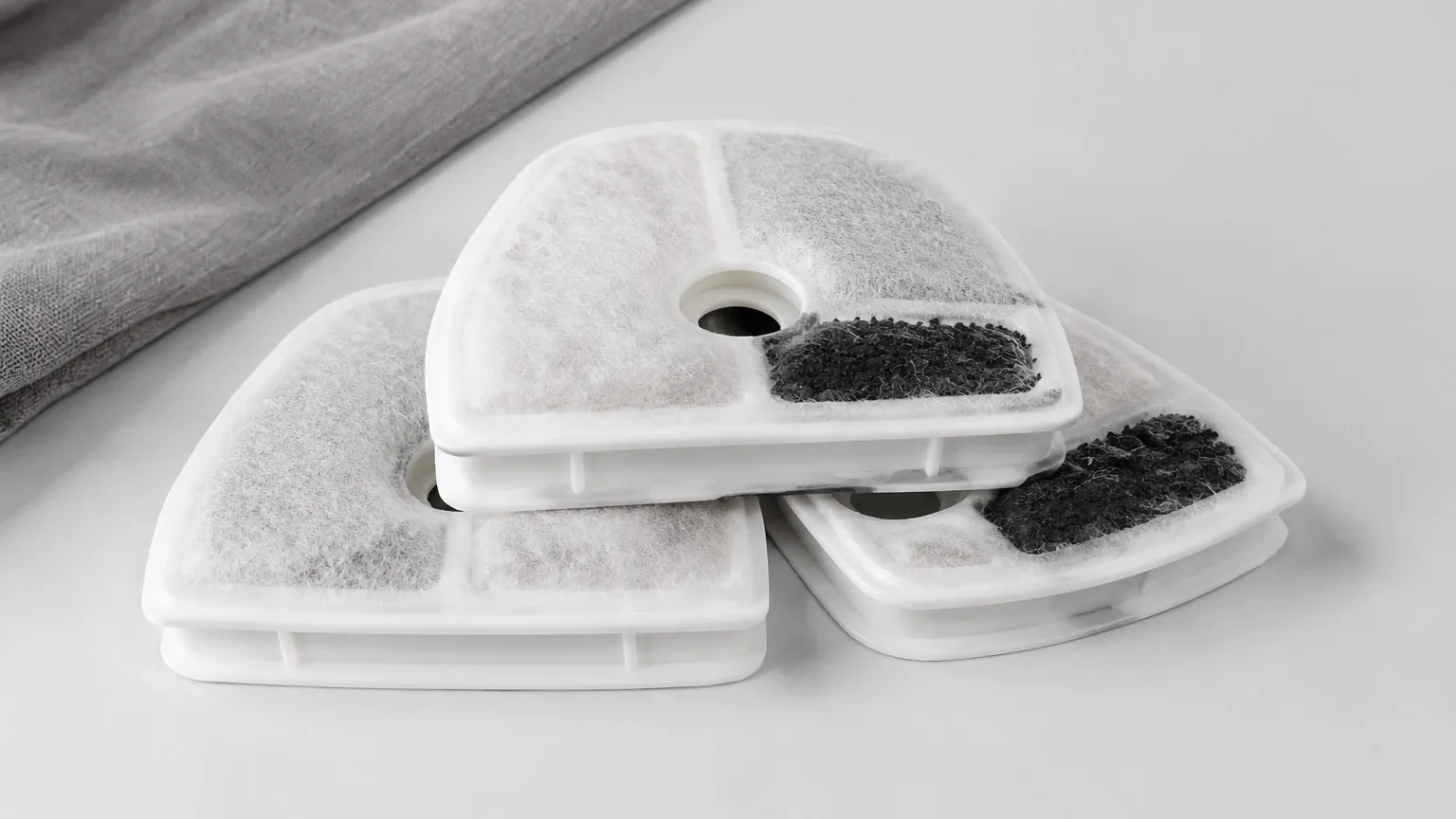
In the landscape of liquid filtration, the concept of multi-stage processing is fundamental to achieving specific purity levels while protecting the longevity of the filtration system. The Cat Mate 3 stage filter cartridges represent a localized application of a broader engineering principle: sequential filtration. By utilizing different media types in a single housing, these cartridges address mechanical, chemical, and sometimes biological or fine-particulate requirements simultaneously. For engineers and procurement professionals in the industrial sector, understanding the mechanics of these 3-stage systems provides a useful baseline for evaluating more complex industrial Filter Cartridges used in chemical processing, food and beverage production, and water treatment.
This article examines the technical architecture of 3-stage filtration, the material science behind the components, and the performance metrics that dictate their efficiency and replacement cycles.
The Engineering Principles of 3-Stage Filtration
The primary objective of any multi-stage filtration system is to distribute the particulate load across different media to prevent premature clogging of the finest filter stage. In the context of cat mate 3 stage filter cartridges, the design typically follows a linear progression from coarse to fine filtration.
1. Mechanical Pre-Filtration
The first stage is almost always a mechanical barrier. In consumer-grade cartridges, this is often a polyester or polypropylene fleece. Its role is to capture larger debris—such as hair, sediment, or large organic matter—before it can reach the more sensitive internal media. In industrial applications, this stage is often replaced by stainless steel wire mesh or pleated metal elements that offer higher structural integrity and the ability to be backwashed.
2. Chemical Adsorption
The second stage usually involves activated carbon. Carbon filtration works through a process called adsorption, where organic molecules and chemicals (like chlorine or specific volatile organic compounds) are trapped within the pore structure of the carbon granules. The effectiveness of this stage depends heavily on the "contact time"—the duration the fluid spends in contact with the carbon media.
3. Fine Particulate or Ion Exchange
The final stage is designed to polish the fluid. In 3-stage pet fountain filters, this often includes an ion-exchange resin to soften water by removing calcium and magnesium ions, or a high-density foam layer to trap microscopic particles. In industrial settings, this third stage might involve a high-precision membrane or a sintered metal filter with a sub-micron rating to ensure absolute purity.
Material Composition and Functionality
When evaluating cat mate 3 stage filter cartridges or their industrial counterparts, material selection is the most critical factor influencing performance and compatibility.
Activated Carbon Quality
Not all carbon is equal. High-performance cartridges utilize bituminous or coconut-shell-based activated carbon. Coconut shell carbon is preferred for water applications due to its high micropore volume, which is highly efficient at removing small organic molecules. In industrial filtration, the purity of the carbon and its resistance to attrition (breaking down into fines) are key procurement specifications.
Synthetic Fibers vs. Metallic Mesh
While the 3-stage cartridges for consumer use rely on synthetic non-wovens, industrial environments often demand the durability of stainless steel. Synthetic fibers are cost-effective for single-use applications but can succumb to chemical degradation or thermal stress. Stainless steel 304 or 316L, frequently used in custom Filter Cartridges, provides a broader range of chemical compatibility and can withstand high-pressure differentials without deforming.
Housing and Seal Integrity
The efficiency of a 3-stage system is negated if fluid can bypass the media. This is known as "fluid bypass." Professional-grade cartridges utilize precision-molded housings and high-quality elastomers (such as EPDM or Viton) to ensure that 100% of the fluid passes through all three stages of the filtration media.
Performance Evaluation and Filtration Efficiency
For technical teams, the performance of cat mate 3 stage filter cartridges is measured by several key metrics that are equally applicable to large-scale industrial filtration systems.
Micron Rating: Absolute vs. Nominal
* Nominal Rating: This indicates the ability of the filter to retain a majority of particles of a specific size (e.g., 80% of 5-micron particles).
* Absolute Rating: This is a more stringent measure, indicating that the filter will retain 99.9% or more of particles at the specified micron size.
Most 3-stage cartridges operate on a nominal basis for the pre-filter and a more precise rating for the final stage. When transitioning to industrial requirements, engineers must specify whether an absolute rating is required to protect downstream equipment like high-pressure pumps or sensitive nozzles.
Flow Rate and Pressure Drop (Delta P)
Every layer of filtration adds resistance to the fluid flow. The "clean pressure drop" is the resistance measured when the filter is new. As the cat mate 3 stage filter cartridges accumulate debris, the pressure drop increases. In industrial systems, monitoring the Delta P is the standard method for determining when a cartridge has reached the end of its functional life.
Adsorption Capacity
For the chemical stage (carbon), the capacity is measured in terms of the total volume of fluid that can be treated before the carbon sites are saturated. Once saturated, the filter will no longer remove odors or chemicals, even if the mechanical stages are still flowing freely.
Maintenance, Replacement Cycles, and Total Cost of Ownership
A common question for both consumers and industrial operators is: "How often should the filter be replaced?" For cat mate 3 stage filter cartridges, the typical cycle is 2 to 4 weeks, depending on the environmental load. However, in a B2B context, replacement cycles are calculated based on more rigorous data.
Factors Influencing Replacement
1. Contaminant Loading: Higher levels of particulate matter will clog the mechanical pre-filter faster.
2. Fluid Chemistry: Highly acidic or alkaline fluids can degrade synthetic media, requiring more frequent changes.
3. Flow Requirements: If a process requires a constant high flow rate, the filter must be replaced as soon as the pressure drop begins to impact throughput.
Total Cost of Ownership (TCO)
While the initial purchase price of a cartridge is important, the TCO includes the cost of downtime for replacement, the labor involved, and the disposal costs. For many industrial applications, switching from disposable 3-stage cartridges to cleanable stainless steel Filter Cartridges can significantly reduce TCO over a 12-month period, despite a higher initial investment.
Industrial Scaling: From Consumer to Custom Stainless Steel Solutions
While the cat mate 3 stage filter cartridges are designed for low-pressure, ambient-temperature water filtration, the underlying logic is scaled up for demanding industrial environments.
High-Temperature Applications
In chemical processing, fluids often exceed the melting point of the plastics used in consumer cartridges. In these cases, 3-stage filtration is achieved using all-metal constructions. A coarse sintered metal outer layer acts as the pre-filter, followed by a fine metal fiber felt, and finally a precision-woven wire mesh.
Chemical Compatibility
Industrial filters must often handle aggressive solvents or corrosive acids. While a standard 3-stage cartridge might use a plastic frame, an industrial equivalent would utilize 316L stainless steel or even exotic alloys like Hastelloy to ensure the filter does not leach contaminants into the process stream.
Customization Options
Unlike off-the-shelf consumer products, industrial filtration allows for the customization of each stage. An engineer might specify a 20-micron pre-filter, a 5-micron intermediate stage, and a 0.5-micron final stage, all housed within a single cartridge body to fit existing machinery.
Selection Criteria for Technical Purchasing Teams
When the task is to source or replace 3-stage filtration components, purchasing teams should confirm the following technical specifications to ensure application success:
* Micron Efficiency: Does the application require nominal or absolute filtration at the final stage?
* Media Migration: Is the filter media (especially carbon) prone to shedding particles into the filtrate? High-quality Filter Cartridges are designed to prevent media migration.
* Regulatory Compliance: For food, beverage, or pharmaceutical applications, do the materials meet FDA or equivalent international standards for food contact?
* Structural Strength: What is the maximum collapse pressure of the cartridge? This is vital in systems where high-pressure spikes may occur.
Conclusion
The cat mate 3 stage filter cartridges serve as a practical example of how multi-layered media can solve complex filtration challenges in a compact form factor. By understanding the mechanical, chemical, and fine-particle stages of these units, professionals can better appreciate the engineering rigor required for industrial-scale filtration. Whether the goal is to maintain water purity in a small-scale system or to protect multi-million dollar equipment in a chemical plant, the selection of high-quality filter cartridges remains the most effective way to ensure consistent fluid quality and system reliability.
