


Disposal of Water Filter Cartridges
In industrial water treatment and process filtration, the lifecycle of a filtration component does not end when it reaches its terminal pressure drop. For engineers and facility managers, the disposal of water filter cartridges represents a critical phase of the operational workflow that impacts environmental compliance, workplace safety, and the total cost of ownership (TCO). While the primary focus of filtration is often on efficiency and flow rates, the back-end logistics of waste management require equal technical scrutiny.
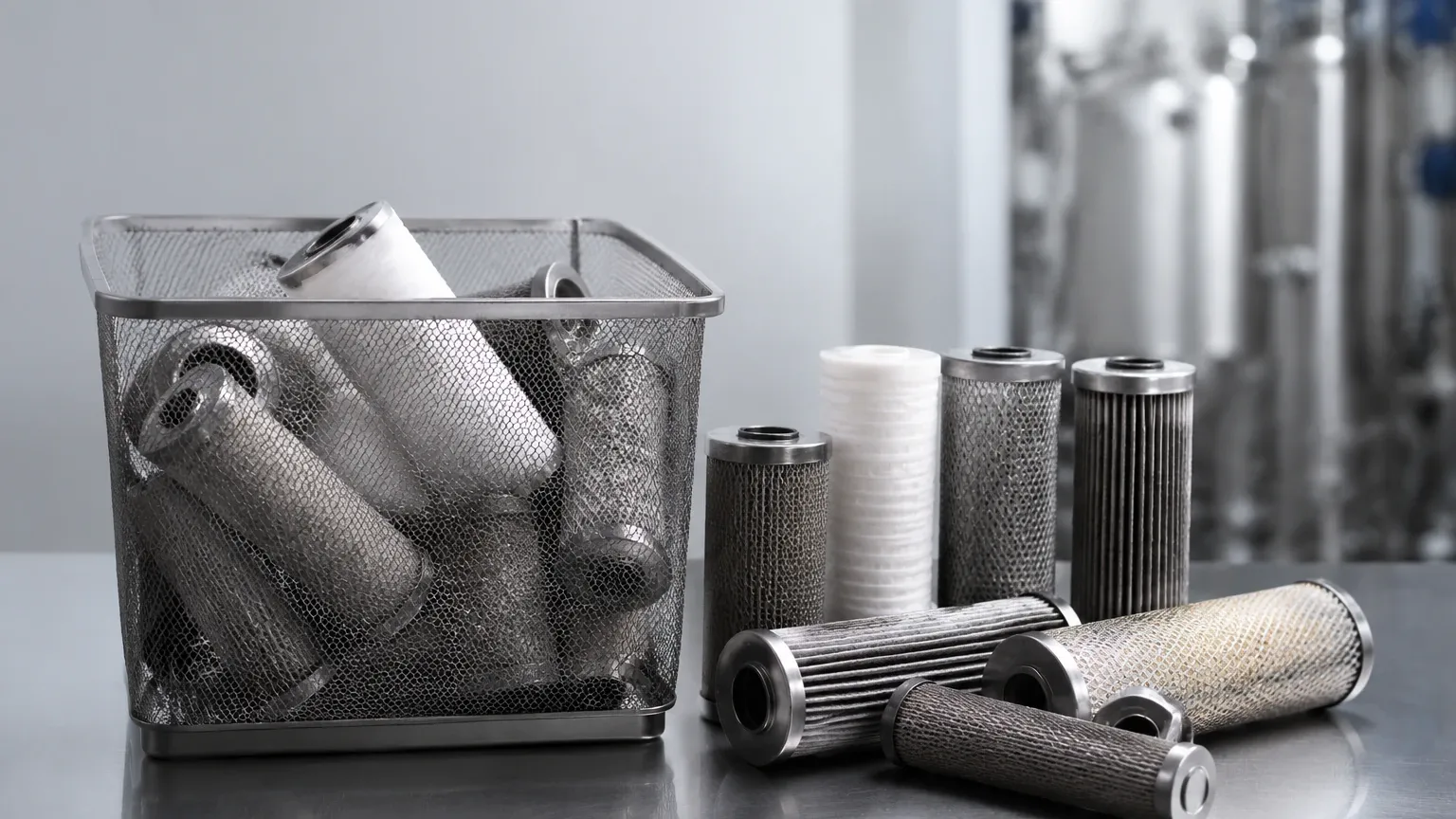
Industrial Filter Cartridges are manufactured from a diverse array of materials, including polypropylene, cellulose, activated carbon, and various grades of stainless steel. Each material, combined with the specific contaminants captured during the filtration process, dictates a unique disposal pathway. Understanding these pathways is essential for maintaining a sustainable and legally compliant industrial operation.
Material Composition and Waste Categorization
The first step in determining the proper disposal method is an analysis of the filter’s construction. Most industrial water filters fall into one of three categories: polymer-based disposables, carbon-based media, or metallic cleanable elements.
Polymer and Synthetic Media
Polypropylene (PP), polyester, and nylon are common in melt-blown and pleated cartridges. These materials are generally chemically inert but are not biodegradable. In a standard non-hazardous application—such as pre-filtration for a reverse osmosis (RO) system—these cartridges are often treated as general industrial waste. However, their high volume-to-weight ratio can lead to significant landfill costs if not properly managed.
Activated Carbon
Carbon cartridges are used for dechlorination and the removal of organic compounds. Due to the porous nature of the media, these cartridges can concentrate high levels of specific toxins. Depending on the solute being removed, used carbon media may require specialized handling or may even be eligible for thermal reactivation, though this is more common with bulk granular activated carbon than with small-scale cartridges.
Stainless Steel and Metallic Filters
Stainless steel Filter Cartridges, such as those manufactured by Kaifil, represent a different category of waste management. Because these units are designed for durability and corrosion resistance, they are often cleanable and reusable. When they finally reach the end of their multi-year service life, they are 100% recyclable as scrap metal. This significantly reduces the recurring waste stream compared to single-use polymer options.
Regulatory Frameworks for Industrial Disposal
The disposal of water filter cartridges is governed by regional and national environmental regulations, such as the Resource Conservation and Recovery Act (RCRA) in the United States or the Waste Framework Directive in the European Union. The primary regulatory concern is whether the spent filter is classified as "hazardous waste."
Hazardous vs. Non-Hazardous Waste
A filter cartridge is rarely hazardous because of its construction materials; it becomes hazardous because of the substances it has removed from the water stream. If a filter is used to treat wastewater containing heavy metals (such as lead, mercury, or chromium), hydrocarbons, or certain synthetic organic chemicals, the spent cartridge must be tested using the Toxicity Characteristic Leaching Procedure (TCLP).
If the concentration of contaminants in the leachate exceeds regulatory thresholds, the cartridges cannot be disposed of in a standard landfill. They must be transported by licensed hazardous waste haulers to specialized treatment, storage, or disposal facilities (TSDFs). Failure to comply with these regulations can result in substantial fines and legal liabilities for the facility.
Technical Challenges in the Disposal of Water Filter Cartridges
Engineers must address several physical and chemical challenges when managing the disposal of water filter cartridges at scale. These challenges often influence the selection of filtration technology during the system design phase.
1. Dewatering and Weight Reduction
Used filter cartridges are typically saturated with water, which significantly increases their weight and, consequently, their disposal cost. Many industrial facilities implement a dewatering stage, where spent cartridges are allowed to gravity-drain or are subjected to compressed air to evacuate residual liquid. In hazardous applications, the liquid recovered during dewatering must also be treated as hazardous waste.
2. Entrapped Contaminants and Off-Gassing
In chemical processing or high-temperature water applications, cartridges may trap volatile organic compounds (VOCs). Once removed from the pressurized housing and exposed to ambient air, these cartridges can begin to off-gas, posing an inhalation risk to staff. Proper disposal protocols must include immediate containment in sealed, labeled drums to mitigate these risks.
3. Volume Management
High-flow industrial systems can consume hundreds of disposable cartridges per month. The physical volume of this waste requires significant storage space and frequent transport. This logistical burden is a primary driver for facilities to transition toward high-surface-area pleated filters or cleanable stainless steel Filter Cartridges that offer longer change-out cycles.
Sustainability and the Circular Economy
As corporate sustainability mandates become more stringent, the environmental impact of filtration waste is under increasing scrutiny. The "linear" model of filtration—buy, use, and landfill—is being replaced by circular strategies that prioritize waste reduction.
The Role of Cleanable Media
Stainless steel wire mesh and sintered metal filters are pivotal in reducing the environmental footprint of industrial filtration. Unlike polymer cartridges that must be discarded after a single loading cycle, stainless steel elements can be cleaned via backwashing, ultrasonic baths, or chemical cleaning. This capability extends the service life from weeks to years. When evaluating the disposal of water filter cartridges, the most effective strategy is often to reduce the number of cartridges that require disposal in the first place.
Recycling Programs
Some manufacturers of polymer filters have initiated take-back programs where used cartridges are shredded and the plastic is pelletized for use in non-critical applications. However, these programs are often limited by the type of contaminants present in the filters. For most industrial users, the most viable recycling path remains the use of metallic filters that can be sold as high-value scrap at the end of their life.
Selection Criteria for Reducing Disposal Costs
When specifying Filter Cartridges for a new or existing system, engineers should consider the following factors to optimize the disposal process:
* Filtrate Compatibility: Ensure the filter media does not react with the process fluid, which could create complex chemical waste.
* Dirt-Holding Capacity: Filters with higher dirt-holding capacity require fewer change-outs, directly reducing the volume of waste generated.
* Material Recovery: Determine if the filter components can be separated. For example, some cartridges use plastic end caps on metal cores, making recycling difficult. All-welded stainless steel designs eliminate this issue.
* Incineration Suitability: If landfilling is not an option, ensure the filter media is suitable for waste-to-energy incineration without producing toxic dioxins (a concern with certain halogenated plastics).
Operational Best Practices for Facility Managers
To ensure the efficient and safe disposal of water filter cartridges, facilities should implement a standardized SOP (Standard Operating Procedure). This should include:
1. Characterization: Maintain a log of what each filter bank is processing to predict the waste category.
2. Containment: Use UN-rated drums for the storage of spent cartridges to prevent leaks and spills.
3. Documentation: Keep detailed records of waste manifests and certificates of disposal to prove regulatory compliance during audits.
4. Training: Ensure that maintenance personnel are trained in the handling of wet, heavy, and potentially contaminated filter elements.
Conclusion
The disposal of water filter cartridges is a multifaceted engineering challenge that extends far beyond the simple act of discarding a used component. By understanding the material science of Filter Cartridges, staying abreast of environmental regulations, and considering the long-term benefits of cleanable metallic media, industrial professionals can significantly reduce both their environmental impact and their operational costs.
Whether managing a small-scale pharmaceutical water loop or a massive municipal treatment plant, the goal remains the same: achieving high-purity filtration while minimizing the waste footprint. As the industry moves toward more sustainable practices, the selection of durable, recyclable, and high-performance filtration solutions will continue to be a hallmark of sophisticated industrial engineering.
