Replacement Filter Ge Xwfe
Maintaining the integrity of fluid systems requires a rigorous approach to filtration component replacement. In both residential and specialized industrial applications, the performance of a system is only as reliable as its weakest link—often the filter media itself. The GE XWFE filter represents a specific standard in water filtration technology, integrating advanced media with electronic verification systems to ensure consistent output quality. For engineers and procurement professionals, understanding the technical specifications of the replacement filter GE XWFE is essential, not only for direct maintenance but also as a case study in proprietary filtration standards and the broader engineering principles governing high-performance Filter Cartridges.
Technical Specifications of the XWFE Standard
The XWFE filter is designed to replace previous iterations like the XWF, with the primary distinction being the inclusion of Radio Frequency Identification (RFID) technology. This technical integration serves two purposes: it verifies the authenticity of the replacement part and tracks the lifespan of the filter based on actual usage and time elapsed.
From a filtration perspective, the XWFE utilizes a multi-stage carbon block technology. This media is engineered to address a wide spectrum of contaminants through both mechanical straining and physical adsorption. Key performance metrics for this standard include:
* Contaminant Reduction: Certified to reduce lead, cyst, asbestos, and select pharmaceuticals (such as ibuprofen and progesterone).
* Flow Rate: Typically rated at 0.5 gallons per minute (gpm), maintaining a balance between contact time with the carbon media and user requirements for fluid delivery.
* Operating Pressure: Designed for standard pressurized systems, usually ranging from 30 to 120 psi.
* Certification Standards: Compliance with NSF/ANSI 42, 53, and 401, which validate the filter's ability to remove aesthetic impurities, health-related contaminants, and emerging compounds.
Engineering Considerations for Filter Cartridge Replacement
When evaluating a replacement filter GE XWFE or any industrial-grade filtration component, engineers must look beyond basic compatibility. The selection process involves a deep dive into the physics of fluid dynamics and the chemical properties of the media.
1. Micron Ratings and Filtration Efficiency
In industrial filtration, we distinguish between nominal and absolute micron ratings. A nominal rating refers to the filter's ability to retain a major percentage (usually 60% to 95%) of particles at a specific size. An absolute rating, common in pharmaceutical and high-purity chemical processing, implies that 99.9% or more of particles at that size are captured. While the XWFE is optimized for potable water, industrial Filter Cartridges manufactured from stainless steel mesh or sintered metal provide much tighter control over particle distribution in aggressive environments.
2. Differential Pressure (Delta P)
One of the most critical metrics in filtration engineering is the differential pressure—the difference in pressure between the upstream and downstream sides of the filter. As a replacement filter GE XWFE accumulates debris, the Delta P increases. In industrial systems, monitoring this pressure drop is the primary method for determining replacement cycles. If a filter is left in service beyond its rated Delta P, it risks "breakthrough," where the pressure forces contaminants through the media, or structural failure of the cartridge itself.
Material Science in Filtration: Beyond Carbon
While the XWFE relies on activated carbon, many B2B applications require more robust materials to withstand high temperatures, corrosive chemicals, or high-pressure cleaning cycles. This is where stainless steel filtration solutions, such as those produced by Kaifil, become indispensable.
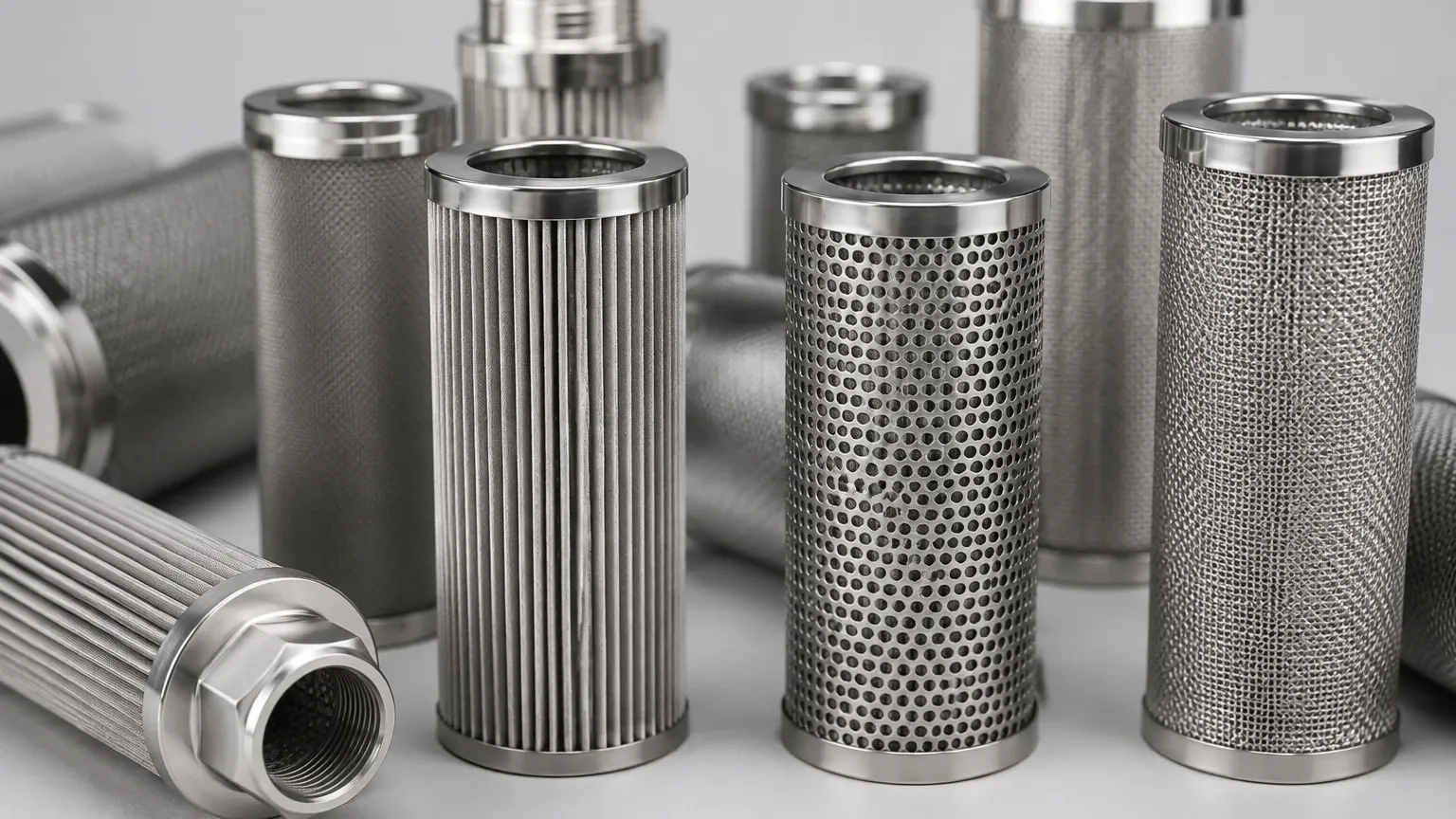
* Stainless Steel Wire Mesh: Unlike disposable carbon blocks, stainless steel mesh filters offer high mechanical strength and are cleanable. They are ideal for removing large particulates in hydraulic systems or food processing lines where hygiene and durability are paramount.
* Sintered Metal Media: For applications requiring extreme precision, sintered metal provides a rigid pore structure that does not migrate under pressure. This is a significant advantage over polymer or carbon-based filters which may shed fibers or particles into the filtrate.
* Chemical Compatibility: Engineers must ensure that the filter housing and the replacement media are chemically compatible with the fluid. While the XWFE is limited to water, industrial cartridges must often handle solvents, acids, or oils, necessitating the use of 304 or 316L stainless steel.
The Role of RFID and Authentication in Modern Systems
The transition from the XWF to the XWFE (with the 'E' denoting electronic) highlights a growing trend in filtration: the integration of smart technology. The RFID chip communicates with the appliance to ensure that the filter is installed correctly and that it is a genuine OEM part.
In a B2B context, this mirrors the move toward Industry 4.0. Large-scale filtration systems now often include sensors to track flow rates and pressure in real-time, sending data to centralized control systems. For procurement teams, this ensures that maintenance is performed exactly when needed—neither too early (wasting resources) nor too late (risking equipment damage). When sourcing Filter Cartridges, verifying that the replacement components meet the original equipment manufacturer's (OEM) electronic and physical specifications is vital for maintaining system warranties and operational safety.
Performance Evaluation and Testing Standards
Whether dealing with a replacement filter GE XWFE or a custom-engineered industrial filter, performance must be validated through standardized testing.
* NSF/ANSI 42: Focuses on aesthetic effects, such as chlorine reduction and taste/odor improvement.
* NSF/ANSI 53: Addresses health-related contaminants, including heavy metals like lead and organic chemicals like VOCs.
* NSF/ANSI 401: A newer standard for "emerging contaminants," including trace amounts of pharmaceuticals and pesticides that have recently become a concern in municipal water supplies.
For industrial engineers, these certifications provide a baseline of trust. However, for specialized applications in chemical processing or oil and gas, additional certifications like ISO 9001 for manufacturing quality or specific ASME pressure vessel codes for filter housings may be required.
Total Cost of Ownership (TCO) in Filtration
When purchasing a replacement filter GE XWFE, the initial price is only one part of the equation. Professionals must consider the Total Cost of Ownership (TCO). This includes:
1. Replacement Frequency: A cheaper filter that needs to be replaced every three months is more expensive in the long run than a high-quality cartridge that lasts six months.
2. Labor Costs: The time required for technicians to swap out filters can be significant in large facilities.
3. System Downtime: If a filter fails or clogs unexpectedly, the resulting downtime can cost thousands of dollars in lost production.
4. Waste Disposal: Disposable filters contribute to the waste stream. In many industrial settings, switching to cleanable stainless steel Filter Cartridges can significantly reduce waste and lower TCO over the life of the equipment.
Customization and OEM Solutions
For many B2B applications, off-the-shelf solutions like the XWFE are not sufficient. Unique flow rates, unusual chemical compositions, or space constraints often require customized filtration designs. Manufacturers like Kaifil specialize in bridging this gap, providing OEM services that allow companies to develop proprietary filtration components tailored to their specific machinery.
Customization options often include:
* Variable Micron Ratings: Fine-tuning the pore size to target specific contaminants without unnecessarily restricting flow.
* End-Cap Configurations: Designing custom fittings (such as 222, 226, or threaded ends) to ensure a leak-proof seal in existing housings.
* Reinforced Cores: Adding internal support to prevent cartridge collapse in high-viscosity or high-pressure applications.
Conclusion: Making Informed Filtration Decisions
The replacement filter GE XWFE serves as a reminder of the precision required in modern fluid management. By understanding the technical requirements—from NSF certifications to RFID integration—users can ensure their systems operate at peak efficiency. For the industrial professional, these same principles of verification, material compatibility, and performance monitoring are the foundation of a successful filtration strategy. Whether you are maintaining a single appliance or a complex industrial processing plant, selecting high-quality Filter Cartridges is the most effective way to protect your equipment and ensure the purity of your output.