


Filter Cartridge Kit
In industrial filtration environments, the efficiency of a system is often determined by the precision of its maintenance components. A filter cartridge kit serves as a comprehensive solution for technical teams, providing not only the primary filtration media but also the essential sealing components and hardware required for a complete and reliable change-out. For engineers managing chemical processing, food and beverage production, or hydraulic systems, selecting the correct kit is a critical step in ensuring operational continuity and meeting stringent purity standards.
Industrial filtration demands more than just a standard replacement part; it requires a coordinated assembly of components designed to withstand specific pressures, temperatures, and chemical exposures. This guide explores the technical specifications, material considerations, and selection criteria for high-quality filtration kits, focusing on the role of stainless steel components in demanding industrial applications.
Understanding the Industrial Filter Cartridge Kit
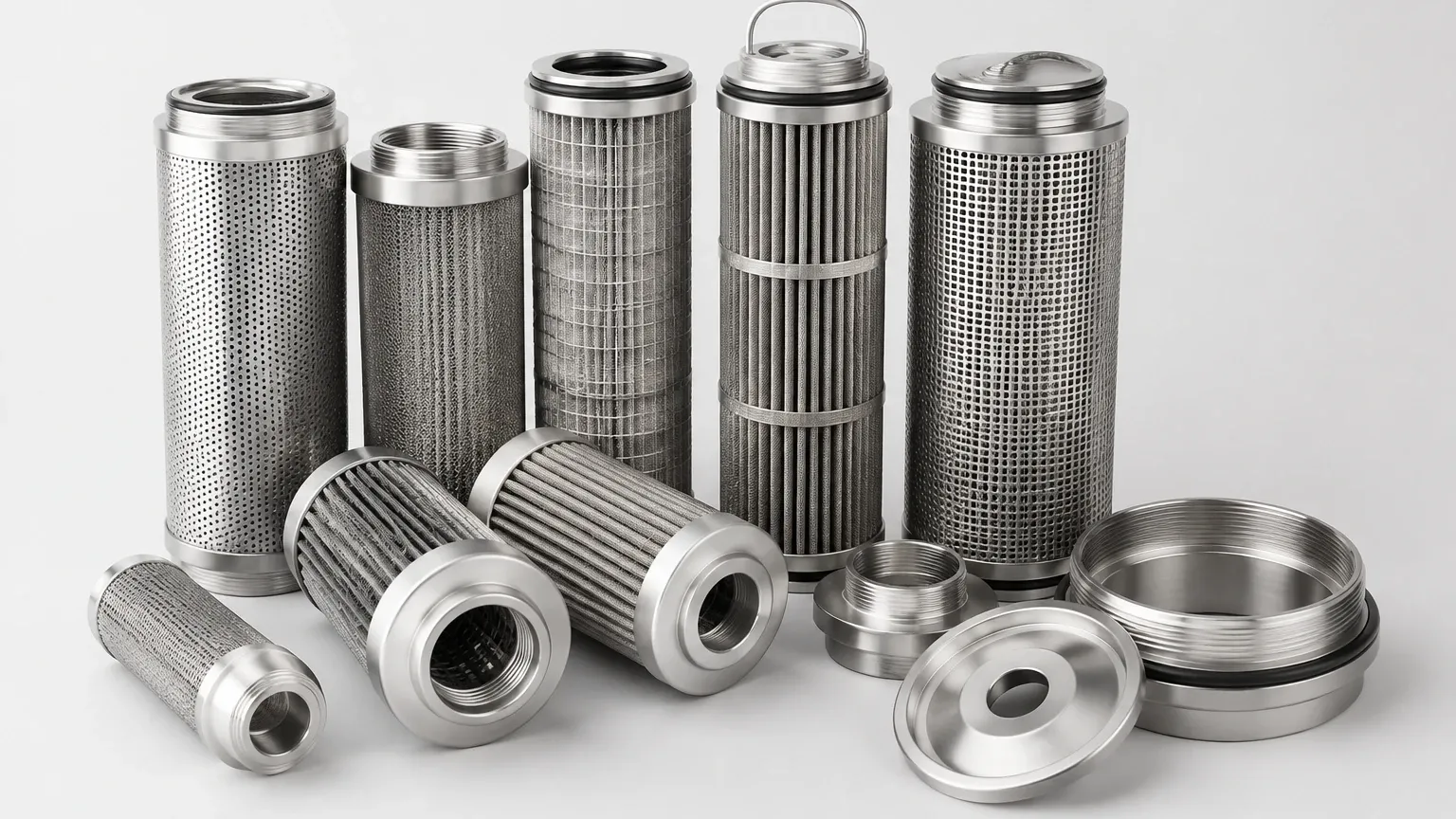
A professional-grade filter cartridge kit is designed to simplify the maintenance process while eliminating the risk of bypass or seal failure. In a B2B context, these kits typically include the Filter Cartridges themselves, along with a set of O-rings, gaskets, and occasionally specialized spacers or centering devices.
The primary advantage of a kit over individually sourced components is compatibility. When a kit is engineered by a manufacturer like Kaifil, every component is verified for dimensional accuracy and material synergy. This is particularly vital in high-pressure systems where a slight mismatch between a gasket and a cartridge end-cap could lead to fluid bypass, potentially contaminating downstream processes or damaging sensitive equipment.
Core Components and Material Engineering
The performance of a filter cartridge kit is fundamentally tied to the materials used in its construction. For industrial applications, stainless steel is the preferred medium due to its mechanical strength and resistance to thermal degradation.
Stainless Steel Filter Media
Industrial kits often utilize 304 or 316L stainless steel. 316L is specifically favored in pharmaceutical and food-grade applications due to its superior corrosion resistance, particularly against chlorides. The media within the cartridge may consist of multi-layer sintered wire mesh, pleated wire cloth, or sintered metal fibers. Each structure offers different benefits regarding dirt-holding capacity and flow resistance.
Sealing Elements (O-Rings and Gaskets)
The seals included in a kit are as important as the filter itself. Common materials include:
* Viton (FKM): Excellent for high temperatures and chemical resistance.
* EPDM: Preferred for steam applications and water treatment.
* Silicone: Often used in food and beverage for its high purity and flexibility.
* PTFE: Used for the most aggressive chemical environments where other elastomers might fail.
Engineering Specifications for Filter Cartridges
When evaluating a kit, engineers must look beyond the physical dimensions and analyze the technical performance metrics of the included filter cartridges. These specifications dictate how the system will behave under load and how often maintenance will be required.
Filtration Accuracy and Micron Ratings
Filtration accuracy is categorized into nominal and absolute ratings. Nominal ratings refer to a filter's ability to retain a major percentage of particles of a specific size, whereas absolute ratings indicate that 99.9% or more of particles above a certain micron size are captured. In critical industrial processes, such as the protection of spray nozzles or high-pressure pumps, absolute-rated stainless steel cartridges are typically required to prevent catastrophic equipment failure.
Differential Pressure and Flow Rates
A well-designed filter cartridge kit must account for the Clean Pressure Drop (ΔP). High-quality stainless steel cartridges are engineered to maximize the effective filtration area—often through pleating—which allows for higher flow rates with lower initial resistance. Monitoring the differential pressure across the housing informs operators when the cartridge has reached its dirt-holding capacity and requires cleaning or replacement.
The Role of Stainless Steel in Demanding Applications
Unlike disposable polymer filters, the stainless steel components found in a professional filter cartridge kit are designed for durability and, in many cases, cleanability. This makes them ideal for specific industrial scenarios:
1. High-Temperature Processing: Polymer filters often lose structural integrity above 100°C. Stainless steel kits can operate effectively at temperatures exceeding 300°C, depending on the seal material.
2. High-Viscosity Fluids: In applications involving resins, polymers, or heavy oils, the structural strength of a metal filter prevents the media from collapsing under the high differential pressures required to move viscous fluids.
3. Corrosive Environments: For chemical processing involving acids or solvents, 316L stainless steel provides a stable filtration medium that does not leach contaminants into the process stream.
Selection Criteria for Industrial Filtration Kits
Choosing the right filter cartridge kit requires a thorough understanding of the process fluid and the operational environment. Engineering teams should confirm the following parameters before procurement:
Chemical Compatibility
It is essential to verify that both the filter media and the sealing elastomers are compatible with the process fluid. For example, while a stainless steel cartridge may be resistant to a specific solvent, a standard Buna-N O-ring might swell or degrade, leading to a seal failure. A comprehensive kit ensures that all parts are matched to the specific chemical profile of the application.
Operating Pressure and Surge Potential
Industrial systems often experience pressure surges during pump start-up or valve closure. The filter cartridges must have a collapse pressure rating that exceeds the maximum possible differential pressure of the system. Sintered mesh and reinforced inner cores are common features in kits designed for high-pressure hydraulic or gas filtration.
Regulatory Compliance
In the food, beverage, and pharmaceutical sectors, kits must comply with specific standards such as FDA or EC 1935/2004 requirements. This ensures that the materials used do not migrate into the product and that the manufacturing process adheres to Good Manufacturing Practices (GMP).
Maintenance and Total Cost of Ownership (TCO)
While the initial cost of a stainless steel filter cartridge kit may be higher than that of disposable alternatives, the Total Cost of Ownership is often significantly lower. This is due to several factors:
* Reduced Downtime: Having a complete kit on hand ensures that all necessary parts are available for a scheduled maintenance window, preventing delays caused by missing seals or hardware.
* Cleanability: Many stainless steel cartridges can be cleaned via ultrasonic baths, backwashing, or chemical cleaning, allowing them to be reused multiple times.
* Waste Reduction: In large-scale operations, switching from disposable to cleanable metal cartridges significantly reduces the environmental impact and the costs associated with hazardous waste disposal.
Customization and OEM Solutions
Many industrial systems utilize proprietary or legacy filter housings that do not accept standard off-the-shelf components. In these instances, a customized filter cartridge kit is necessary. Manufacturers like Kaifil specialize in engineering bespoke filtration solutions that match the exact physical and performance requirements of unique industrial equipment.
Customization options include:
* Variable End-Cap Configurations: Including DOE (Double Open End), Code 7 (226 O-ring/Fin), or NPT/Flanged connections.
* Specialized Support Structures: Reinforced cores or outer cages for extreme pressure environments.
* Bespoke Micron Ratings: Tailoring the mesh weave to capture specific particle geometries.
Conclusion
A filter cartridge kit is a vital asset for maintaining the integrity of industrial filtration systems. By providing a matched set of high-performance cartridges and precision seals, these kits ensure that maintenance is performed correctly and that the system returns to peak efficiency without the risk of bypass. When selecting a kit, engineers must prioritize material quality, chemical compatibility, and structural integrity to meet the rigorous demands of modern industrial processing. Investing in high-quality stainless steel filtration solutions not only protects downstream equipment but also contributes to a more sustainable and cost-effective operational model.
