


Filter Element Kit
In industrial filtration, the reliability of a system depends not only on the primary filter media but on the integrity of every interface within the housing. A filter element kit is a specialized assembly designed to provide all necessary components for a complete filtration service or a new installation. For engineers and procurement teams, moving beyond the purchase of individual components toward a comprehensive kit ensures that critical variables—such as seal compatibility, structural support, and filtration precision—are managed as a single, engineered unit.
Industrial environments, ranging from chemical processing to high-pressure hydraulic systems, demand filtration solutions that can withstand extreme temperatures, corrosive fluids, and fluctuating flow rates. Utilizing a standardized or custom filter element kit helps maintain the performance specifications of the original equipment while simplifying the maintenance lifecycle. This guide examines the technical considerations, material science, and engineering criteria essential for selecting and managing these kits effectively.
Understanding the Role of a Filter Element Kit in Industrial Systems
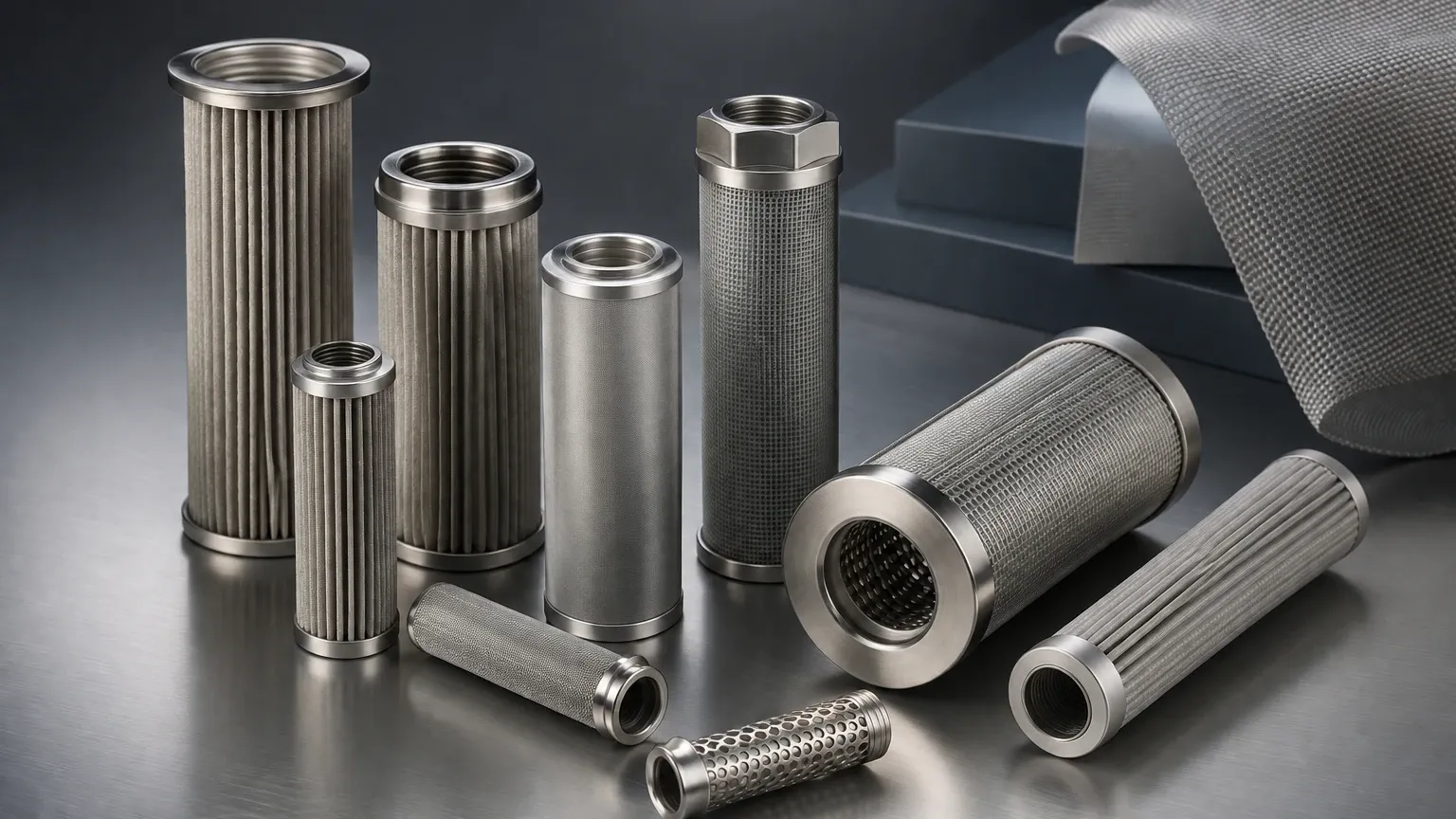
A filter element kit typically includes the primary Filter Cartridges, replacement seals (O-rings or gaskets), and occasionally specialized hardware such as bypass valves or support cages. The primary objective of sourcing a kit rather than individual parts is to eliminate the risk of bypass—a condition where unfiltered fluid escapes around the edges of the filter media due to ill-fitting seals or worn components.
From a maintenance perspective, the kit approach reduces the "Total Cost of Ownership" (TCO). By ensuring that all consumable parts are replaced simultaneously, facilities reduce the likelihood of secondary failures. For instance, an aged O-ring may lose its elasticity (compression set) over time; if only the filter cartridge is replaced, the old seal may fail shortly after, necessitating a second, unplanned shutdown. A kit ensures that the entire sealing interface is refreshed, maintaining the system's pressure integrity and filtration efficiency.
Technical Engineering Standards for Filter Cartridges
The core of any kit is the filter cartridge. In heavy-duty industrial applications, stainless steel is the material of choice due to its mechanical strength and chemical resistance. When evaluating the cartridges within a kit, engineers must consider several technical benchmarks:
Micron Ratings and Filtration Efficiency
Filtration accuracy is defined by the micron rating, which can be either nominal or absolute. A nominal rating refers to the ability of the filter to retain a major percentage of particles of a specific size, whereas an absolute rating indicates that 99.9% (or higher) of particles above a certain size are captured. For precision applications like pharmaceutical or fine chemical processing, absolute-rated stainless steel mesh or sintered metal cartridges are required to ensure process consistency.
Structural Integrity and Collapse Pressure
Industrial filters are subject to differential pressure (Delta P). As the filter captures contaminants, the resistance to flow increases. The cartridge must be engineered with a high collapse pressure rating to prevent structural failure during pressure spikes or when the filter reaches its maximum dirt-holding capacity. This is often achieved through the use of internal support cores made of perforated stainless steel or heavy-duty wire mesh.
Surface Area and Pleating Technology
To extend the service life of a filter element kit, the surface area of the media is often increased through pleating. Pleated wire mesh cartridges offer significantly more surface area than cylindrical designs of the same footprint. This lower "flux rate" (flow per unit area) results in a lower initial pressure drop and a higher dirt-holding capacity, which directly translates to longer intervals between maintenance cycles.
Critical Components and Material Selection
While the filter media captures the particles, the auxiliary components in a filter element kit ensure that the media operates within its intended parameters. Material selection for these components is as critical as the selection of the mesh itself.
Stainless Steel Alloys (304 vs. 316L)
Most industrial kits utilize Type 304 or Type 316L stainless steel. While 304 is suitable for general water treatment and mild industrial use, 316L contains molybdenum, which provides superior resistance to pitting and crevice corrosion in chloride-rich environments or acidic chemical processing. For high-temperature applications, these alloys maintain their structural properties far better than polymer-based alternatives.
Elastomeric Seals and Gaskets
The seals included in a kit must be chemically compatible with the process fluid. Common materials include:
* EPDM: Excellent for water, steam, and dilute acids, but unsuitable for petroleum-based oils.
* Viton (FKM): Highly resistant to chemicals and high temperatures, making it the standard for many industrial chemical and hydraulic applications.
* PTFE (Teflon): Virtually inert to all chemicals but lacks the elasticity of rubber, often requiring specialized "encapsulated" O-ring designs to ensure a proper seal.
* Buna-N (Nitrile): The standard for hydraulic oils and petroleum products, though it has lower temperature limits compared to Viton.
Application-Specific Considerations for Filtration Kits
Different industries impose unique stresses on filtration hardware. A filter element kit designed for a food processing plant will have vastly different specifications than one intended for a deep-sea hydraulic system.
Chemical and Petrochemical Processing
In these sectors, the primary concern is chemical compatibility and the prevention of media migration. Sintered metal fiber or multi-layer wire mesh cartridges are often used because they are welded into a monolithic structure, ensuring that no fibers or particles from the filter itself contaminate the downstream fluid. The kit must also include seals that can withstand aggressive solvents and high-pressure differentials.
Food and Beverage Industry
Filtration kits for this industry must adhere to hygienic design principles. This includes the use of FDA-compliant materials and construction methods that eliminate "dead zones" where bacteria could proliferate. Stainless steel cartridges in these kits are often designed to be cleanable via backwashing or ultrasonic cleaning, allowing for multiple uses before the element needs to be replaced.
Hydraulic and Lubrication Systems
Hydraulic systems are sensitive to fine particulate matter that can cause wear on precision valves and pumps. A filter element kit for a hydraulic return line or pressure line must handle high flow velocities and rapid pressure fluctuations. The inclusion of a robust support core and high-fatigue-strength wire mesh is essential to prevent the media from flexing and eventually cracking under the stress of constant flow pulses.
Evaluating Filtration Performance and Efficiency
When selecting a filter element kit, engineers must look beyond the initial purchase price and evaluate performance metrics that impact long-term operational costs.
1. Beta Ratio (β): This is a measure of filtration efficiency. A Beta ratio of 1000 at 10 microns (β10=1000) means that for every 1000 particles of 10 microns entering the filter, only one passes through. High Beta ratios are indicative of high-quality, absolute-rated cartridges.
2. Dirt-Holding Capacity (DHC): This refers to the total mass of contaminants a filter can trap before reaching its terminal pressure drop. A kit with a high DHC reduces the frequency of element changes, lowering labor costs and reducing process downtime.
3. Clean Pressure Drop: A high-quality kit should exhibit a low initial pressure drop. A high initial Delta P leaves less "room" for contaminant loading before the filter must be cleaned or replaced, effectively shortening its service life.
Customization and OEM Procurement Strategies
Many industrial systems utilize proprietary housing designs that require non-standard filter dimensions or unique end-cap configurations. In these instances, a standard off-the-shelf solution may not suffice. Customization is a core strength of specialized manufacturers like Kaifil, who can produce a filter element kit tailored to specific OEM requirements.
Customization options include:
* End-Cap Configurations: Options such as 222 O-rings, 226 O-rings with locking fins, flat gaskets, or threaded connections (NPT/BSP).
* Reinforced Construction: For high-viscosity fluids or high-pressure applications, additional outer guards or inner support tubes can be added to the cartridge design.
* Specialized Media Layers: Combining different types of wire mesh (e.g., a fine filtration layer protected by coarser drainage layers) to optimize both flow and particle retention.
Working with a manufacturer that understands the nuances of metal fabrication and filtration science allows engineering teams to develop kits that solve specific field problems, such as premature clogging or seal failure.
Best Practices for Installation and Maintenance
The performance of a high-quality filter element kit can be compromised by improper installation. To ensure the longevity of the system, several best practices should be followed:
* Lubrication of Seals: Before installing new O-rings, they should be lightly lubricated with a compatible fluid to prevent them from pinching or tearing during assembly. This ensures a liquid-tight seal within the housing.
* Verification of Seating: The cartridge must be properly seated in the housing base. Incomplete seating allows fluid to bypass the filter entirely, rendering the filtration process ineffective.
* Differential Pressure Monitoring: Maintenance should be driven by data rather than fixed schedules. Installing differential pressure gauges across the filter housing allows operators to replace the kit only when the media is actually loaded, optimizing the use of the consumable parts.
* Handling and Storage: Stainless steel filter elements should be handled with clean gloves to prevent oils from the skin from contaminating the surface, especially in high-purity applications. Kits should be stored in their original packaging to protect the precision mesh from mechanical damage.
Conclusion: Selecting the Right Partner for Filtration Solutions
A filter element kit is more than a simple collection of parts; it is a critical maintenance unit that protects expensive downstream equipment and ensures product quality. By focusing on material compatibility, structural engineering, and precise micron ratings, industrial operators can significantly improve the reliability of their filtration processes.
Whether for a standard hydraulic system or a highly specialized chemical reactor, the choice of Filter Cartridges and their associated components determines the efficiency of the entire operation. Partnering with a manufacturer like Kaifil, which offers extensive OEM experience and a commitment to precision metal filtration, ensures that every kit meets the rigorous demands of modern industrial environments. By prioritizing technical specifications and total cost of ownership, engineers can secure filtration solutions that deliver consistent performance and long-term value.
