


Filter Cartridge Laurastar
In high-precision steam generation and industrial heating systems, the management of water quality is a critical engineering requirement. The filter cartridge laurastar represents a specialized category of demineralization and anti-scale filtration designed to protect sensitive equipment from the corrosive and obstructive effects of mineral buildup. While commonly associated with high-end steam appliances, the underlying principles of this filtration technology—ion exchange, scale inhibition, and sediment removal—are fundamental to many B2B and industrial processes where steam purity and equipment longevity are paramount.
For engineers and procurement professionals, understanding the technical specifications of these cartridges is essential for maintaining system efficiency. Whether managing a fleet of professional steam generators or integrating similar filtration technology into larger industrial workflows, the selection of appropriate Filter Cartridges requires a deep dive into material science, chemical compatibility, and fluid dynamics.
Technical Principles of Anti-Scale Filtration
The primary function of a filter cartridge laurastar is the prevention of limescale (calcium carbonate) formation. In steam-based systems, water is heated to a gaseous state, leaving behind dissolved minerals. Without effective filtration, these minerals crystallize on heating elements, inside solenoid valves, and within narrow distribution nozzles.
Ion Exchange Technology
Most cartridges in this category utilize a bed of ion-exchange resin. This resin consists of small beads coated with sodium or hydrogen ions. As hard water passes through the resin bed, calcium (Ca2+) and magnesium (Mg2+) ions are attracted to the resin and exchanged for the more soluble ions. This process effectively "softens" the water, ensuring that the steam produced is free from the mineral particulates that cause mechanical failure.
Mechanical Pre-Filtration
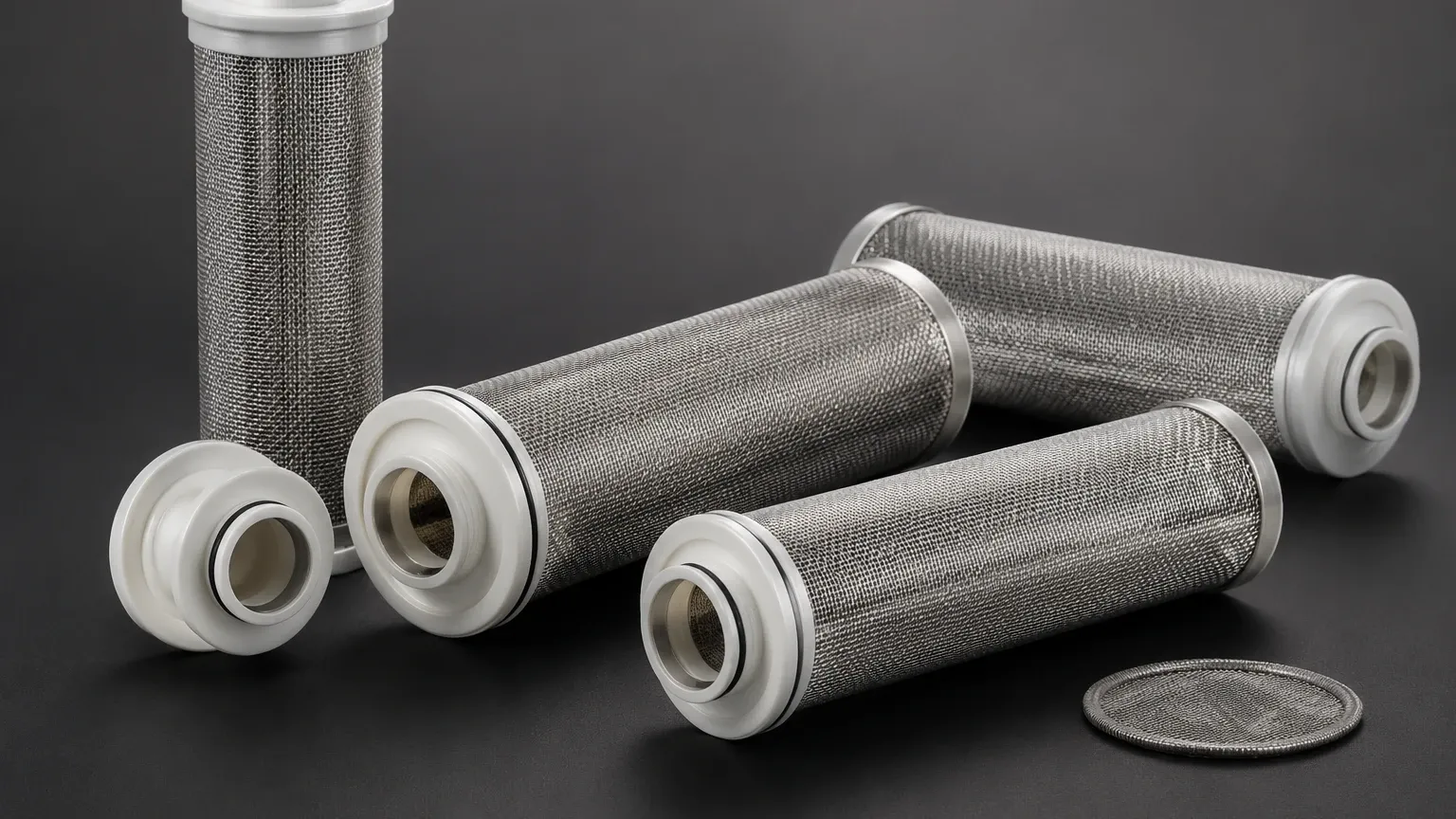
Beyond chemical demineralization, these cartridges often incorporate a mechanical filtration layer, typically made of a fine synthetic or metallic mesh. This layer captures physical sediments—such as rust particles from piping or sand from the water supply—before they can enter the sensitive internal components of the system. In industrial contexts, the robustness of this mechanical layer is often enhanced by using stainless steel wire mesh to provide higher pressure resistance and durability.
Engineering Considerations for Steam System Filtration
When evaluating filtration solutions for steam-intensive applications, several engineering variables must be considered to ensure the system operates within its design parameters. The filter cartridge laurastar is engineered to balance flow rate against filtration efficiency, a trade-off that is central to all industrial filtration designs.
Flow Rate and Pressure Drop
The introduction of a filter cartridge inevitably creates a pressure drop (delta P) across the system. For professional steam generators, maintaining a consistent flow rate is vital for pressure stability. Engineers must ensure that the resin density and the micron rating of the internal mesh do not restrict flow to the point of starving the pump or causing cavitation. A well-designed cartridge maintains a low initial pressure drop while providing a high surface area for ion exchange.
Temperature Stability
While these cartridges are typically installed on the cold-water inlet side, they must be constructed from materials that can withstand the ambient heat of the equipment housing. The plastics used in the cartridge casing and the resins inside must remain chemically stable at elevated temperatures to prevent leaching or structural deformation. In more demanding industrial environments, these housings are often replaced by stainless steel assemblies to provide superior thermal and mechanical resistance.
Comparing Resin-Based and Metallic Filtration
In the broader landscape of Filter Cartridges, there is a distinction between disposable resin cartridges, like the filter cartridge laurastar, and cleanable metallic filters. Understanding when to use each is key to optimizing maintenance cycles.
| Feature | Resin-Based Cartridges (Laurastar Type) | Stainless Steel Mesh Cartridges |
| :— | :— | :— |
| Primary Function | Chemical Demineralization / Softening | Mechanical Particle Separation |
| Reusability | Disposable / Replaceable | Cleanable / Permanent |
| Temperature Limit | Typically < 50°C (Inlet) | Up to 500°C+ |
| Chemical Resistance | Limited to water treatment | High (Acids, Bases, Solvents) |
| Maintenance | Periodic replacement based on volume | Backwashing or ultrasonic cleaning |
For applications requiring only the removal of particulates without the need for demineralization, a stainless steel wire mesh filter is often the more cost-effective and sustainable choice. However, in regions with high water hardness, the ion-exchange capabilities of the resin cartridge are indispensable for preventing scale-related downtime.
Selection Criteria for Industrial-Grade Replacements
For technical professionals looking to source or specify filter cartridges for industrial steam or water treatment systems, the following criteria serve as a framework for selection:
1. Micron Rating: Determine the smallest particle size that must be removed. For steam nozzles, a rating of 5 to 10 microns is often sufficient to prevent clogging.
2. Water Hardness Levels: The lifespan of a demineralization cartridge is directly proportional to the hardness of the input water. Engineers should conduct a water analysis to calculate the expected gallonage before the resin reaches saturation.
3. Housing Compatibility: Ensure the cartridge dimensions and seal types (e.g., O-rings, flat gaskets) are compatible with existing filter housings to prevent bypass—where unfiltered water leaks around the cartridge.
4. Material Compliance: In the food, beverage, and pharmaceutical industries, all filtration components must meet FDA or equivalent regulatory standards for food-grade contact.
Common Risks of Improper Filtration Maintenance
Neglecting the replacement of a filter cartridge laurastar or its industrial equivalent leads to several predictable failure modes. Understanding these risks helps in justifying the total cost of ownership (TCO) for a robust filtration strategy.
Scale Accumulation and Thermal Efficiency
As the ion-exchange resin becomes exhausted, calcium ions begin to pass through the filter. These ions deposit as scale on the heating elements. Because scale acts as an insulator, the system must consume more energy to reach the required steam temperature. Over time, this thermal stress can lead to the burnout of heating coils.
Solenoid Valve Failure
Steam systems rely on solenoid valves to control the flow of steam and water. Mineral deposits can build up on the valve seats, preventing them from closing fully. This results in "spitting" or leaking at the steam head, which can damage fabrics in professional ironing or compromise product quality in industrial sterilization.
Biofilm Growth
In some environments, stagnant water within a saturated filter cartridge can become a breeding ground for biofilm. High-quality cartridges often incorporate bacteriostatic properties or are designed for frequent replacement to mitigate this risk, ensuring the steam remains hygienic for pharmaceutical or food-processing applications.
Customization and OEM Solutions
In many B2B scenarios, off-the-shelf cartridges may not meet the specific requirements of a unique industrial process. This is where custom manufacturing becomes necessary. Manufacturers like Kaifil specialize in developing tailored filtration components that bridge the gap between standard consumer products and heavy-duty industrial needs.
Customization options often include:
* Variable Micron Ratings: Tailoring the mesh density to specific fluid viscosities.
* Reinforced Structures: Adding internal support cores to cartridges to withstand high differential pressures.
* Specialized End Caps: Engineering custom interfaces to fit proprietary housing designs, ensuring a secure and leak-proof fit.
By working with a manufacturer that understands both the chemical requirements of demineralization and the mechanical requirements of precision metal filtration, engineers can develop a filtration system that maximizes equipment uptime.
Conclusion: Optimizing System Performance
The filter cartridge laurastar is more than a simple consumable; it is a precision-engineered component designed to maintain the equilibrium of complex steam systems. By effectively managing mineral content and particulate matter, these cartridges ensure that equipment operates at peak thermal efficiency and remains free from costly mechanical failures.
For industrial applications, the choice between standard resin cartridges and customized stainless steel Filter Cartridges depends on the specific goals of the filtration process—whether it is chemical softening, high-temperature particle removal, or long-term durability. Engineers must evaluate their water quality, flow requirements, and maintenance capabilities to select the solution that offers the best balance of performance and total cost. Through informed selection and rigorous maintenance, the integrity of the entire steam generation chain can be preserved, ensuring consistent output and extended equipment life.
