


Maxtra Filter Cartridges
In the landscape of water treatment and fluid purification, the term "Maxtra" has become synonymous with a specific standard of multi-stage filtration. While primarily recognized in consumer markets for jug-based systems, the underlying principles of Maxtra filter cartridges—ion exchange and activated carbon adsorption—are fundamental to many industrial processes. For engineers and procurement professionals, understanding the mechanics, limitations, and industrial counterparts of these systems is essential for optimizing filtration performance in specialized environments.
Industrial filtration often requires a higher degree of durability, chemical resistance, and pressure tolerance than consumer-grade solutions can provide. However, the logic behind Filter Cartridges remains consistent across scales: the removal of specific contaminants through a combination of mechanical straining and chemical interaction. This guide examines the technical specifications of maxtra filter cartridges, their operational parameters, and how they compare to the high-performance stainless steel filtration solutions required in industrial sectors like food and beverage, pharmaceuticals, and chemical processing.
The Engineering Behind Maxtra Filter Cartridges
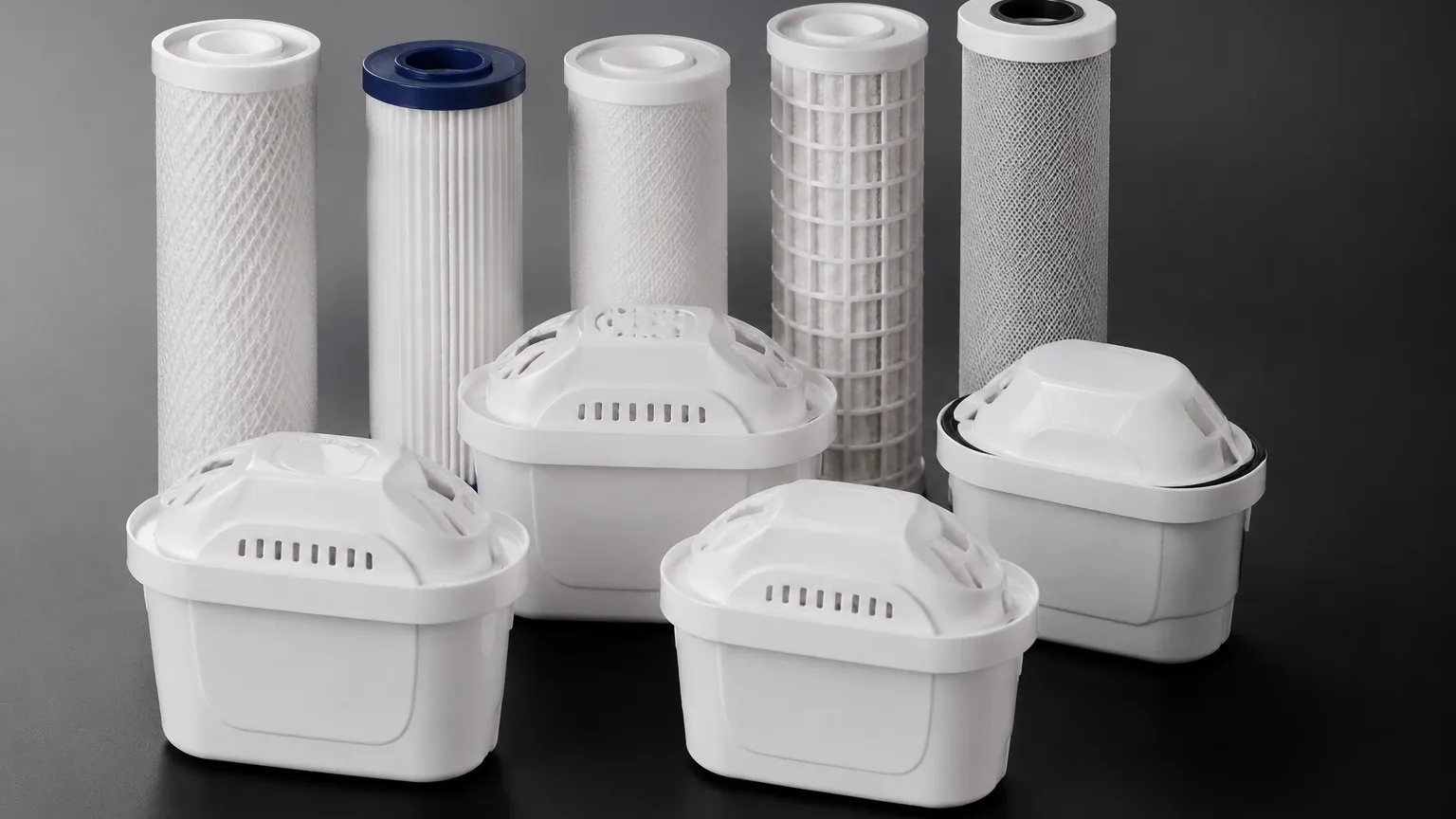
Maxtra filter cartridges are engineered as multi-stage systems designed to address specific water quality issues, primarily hardness and chlorine content. The internal architecture typically consists of a fine mesh filter, ion-exchange pearls, and activated carbon granules.
1. Mechanical Pre-filtration
The first stage involves a fine mesh screen. In maxtra filter cartridges, this mesh serves as a barrier against larger particulate matter. In an industrial context, this is comparable to the surface filtration provided by stainless steel wire mesh, though industrial variants are often designed to withstand significantly higher differential pressures and flow velocities.
2. Ion Exchange Resin
The core of the Maxtra system is the ion-exchange resin. These small beads are designed to reduce carbonate hardness (limescale) and heavy metals such as copper and lead. From a B2B perspective, ion exchange is a critical component of boiler feed water treatment and high-purity pharmaceutical water systems. The resin works by exchanging "hard" ions (calcium and magnesium) for "soft" ions (usually hydrogen or sodium).
3. Activated Carbon Adsorption
Activated carbon is utilized to remove chlorine and organic impurities that affect taste and odor. The carbon in these cartridges is typically derived from natural sources like coconut shells. In industrial applications, carbon filtration is often a secondary stage following a primary mechanical filter to protect sensitive downstream equipment like reverse osmosis (RO) membranes from oxidative damage caused by chlorine.
Comparing Consumer Technology with Industrial Filter Cartridges
While maxtra filter cartridges are effective for low-volume, gravity-fed applications, industrial environments demand a different set of engineering considerations. Engineers must evaluate the trade-offs between the convenience of disposable plastic cartridges and the longevity of permanent, cleanable metal components.
Flow Rate and Pressure Dynamics
Consumer cartridges are designed for gravity-fed or low-pressure systems. In contrast, industrial Filter Cartridges must maintain structural integrity under high-pressure conditions (often exceeding 10 bar) and high flow rates. When selecting a filtration system, the "flux" or flow per unit area is a critical metric. Industrial stainless steel filters offer a much higher open area percentage, allowing for greater throughput without the significant pressure drop associated with dense resin beds.
Material Compatibility and Temperature Resistance
Maxtra cartridges are typically housed in polypropylene (PP) or similar polymers. This limits their application to ambient temperature water. In industrial chemical processing or steam filtration, temperatures can exceed 200°C. In such cases, stainless steel (304 or 316L) is the material of choice. Stainless steel filter cartridges offer superior resistance to thermal shock and are compatible with a wide range of aggressive solvents and chemicals that would degrade consumer-grade plastics.
Filtration Precision (Micron Ratings)
The nominal filtration rating for a standard Maxtra-style cartridge is often not explicitly stated in industrial terms, as its primary function is chemical rather than mechanical. However, industrial filtration requires precise control over particle size. Stainless steel wire mesh filters can be manufactured with absolute ratings as low as 1 micron, providing a level of consistency required for protecting precision nozzles or sensitive analytical equipment.
Key Evaluation Criteria for B2B Filtration Systems
When transitioning from basic water treatment to complex industrial filtration, purchasing teams should focus on several key performance indicators (KPIs) to ensure the selected Filter Cartridges meet the application's demands.
1. Total Cost of Ownership (TCO)
While the initial cost of a disposable maxtra filter cartridge is low, the cumulative cost in a high-volume industrial setting can be astronomical. Stainless steel filters, while requiring a higher upfront investment, are often cleanable and reusable. Methods such as ultrasonic cleaning or backwashing can extend the life of a metal filter for years, significantly reducing the TCO compared to monthly replacements of plastic cartridges.
2. Chemical and Biological Stability
In the pharmaceutical and food industries, the risk of media migration is a major concern. In resin-based cartridges, there is a potential for "fines" (small particles of resin or carbon) to escape into the effluent. Industrial-grade sintered metal filters or high-quality wire mesh designs eliminate this risk, providing a stable, non-leaching filtration medium that meets stringent FDA or CE standards.
3. Sealing and Bypass Prevention
A common failure point in filtration is the seal between the cartridge and the housing. Maxtra systems use simple friction fits or gravity seals. Industrial systems utilize O-rings (EPDM, Viton, or PTFE) and threaded connections to ensure a 100% seal. This prevents "bypass," where contaminated fluid takes the path of least resistance around the filter media rather than through it.
Customization and OEM Solutions in Filtration
One of the primary limitations of standardized maxtra filter cartridges is their "one-size-fits-all" design. Industrial applications rarely allow for such rigidity. Customization is often required to fit existing housing dimensions, meet specific flow requirements, or target unique contaminants.
Engineering for Specific Applications
For example, in hydraulic systems, a filter cartridge must be able to handle high-viscosity fluids and sudden pressure spikes. In the food and beverage industry, the filter must be designed with "sanitary" features, such as smooth surfaces and the absence of dead zones where bacteria could proliferate. Manufacturers like Kaifil specialize in developing these customized solutions, moving beyond the standard consumer formats to provide precision-engineered components.
Selection Parameters for Custom Filters:
* Media Type: Sintered mesh, pleated wire cloth, or perforated metal.
* End Cap Configuration: DOE (Double Open End), SOE (Single Open End) with various O-ring codes (e.g., Code 7, Code 3).
* Support Structures: Internal cores and external cages to prevent collapse under high differential pressure.
* Micron Rating: Ranging from coarse straining (100+ microns) to fine polishing (under 5 microns).
Common Risks and Maintenance Considerations
Regardless of the technology—whether it is a maxtra filter cartridge or a heavy-duty industrial unit—maintenance is the determining factor in system longevity. Failure to replace or clean filter media leads to several operational risks:
1. Pressure Drop (Delta P): As the filter captures contaminants, the resistance to flow increases. If not monitored, this can lead to pump strain, reduced flow rates, and eventually, filter failure or "blow-through."
2. Bacterial Growth: In carbon-based systems like Maxtra, the accumulation of organic matter can provide a breeding ground for bacteria if the cartridge is left in place beyond its rated lifespan.
3. Channeling: In granular media filters, the fluid may eventually carve "channels" through the resin or carbon, bypassing the active filtration sites and rendering the cartridge ineffective.
In industrial settings, differential pressure gauges are used to monitor the state of the Filter Cartridges. This data-driven approach allows for "predictive maintenance," where filters are cleaned or replaced exactly when needed, rather than on a fixed (and often inefficient) schedule.
Conclusion: Making the Right Choice for Your Facility
Understanding the capabilities and limitations of maxtra filter cartridges provides a useful baseline for discussing water treatment. However, for B2B applications where reliability, durability, and precise performance are non-negotiable, industrial-grade solutions are required.
When evaluating filtration options, engineers should confirm the following before proceeding:
* The specific nature of the contaminant: Is it particulate, dissolved ions, or organic compounds?
* Operating environment: What are the maximum temperature, pressure, and flow rate requirements?
* Regulatory compliance: Does the filter media need to meet specific industry certifications?
* Maintenance capability: Does the facility have the infrastructure to clean reusable filters, or is a disposable model more practical?
By focusing on these technical boundaries, procurement teams can move beyond consumer-level marketing and invest in filtration technology that truly supports their operational goals. For those seeking specialized, high-performance components, exploring the range of industrial Filter Cartridges is the first step toward achieving optimized fluid purity and system efficiency.
