


Replacement Filter Quooker
In the landscape of modern kitchen technology, point-of-use boiling water systems have transitioned from luxury additions to essential fixtures in both residential and commercial environments. Among these, Quooker systems are recognized for their efficiency and convenience. However, the performance and longevity of these high-precision systems are fundamentally dependent on the quality of the water entering the tank. This is where the selection of a high-quality replacement filter quooker becomes a critical engineering consideration.
For facility managers, engineers, and procurement specialists, understanding the technical nuances of filtration media, scale inhibition, and cartridge compatibility is vital. Selecting the right Filter Cartridges ensures not only the clarity and taste of the water but also the protection of the internal heating elements and vacuum-insulated tanks from the corrosive effects of mineral buildup and chemical impurities.
The Role of Filtration in High-Temperature Water Systems
Boiling water systems operate under unique thermal and pressure conditions that accelerate certain chemical reactions. When water is heated to 100°C, dissolved minerals—specifically calcium and magnesium carbonates—precipitate out of the solution, forming solid scale. Without an effective replacement filter quooker, this scale adheres to the heating elements and the interior walls of the stainless steel tank.
Limescale acts as an insulator, significantly reducing the heat transfer efficiency of the system. This forces the heating element to work harder and stay on longer to maintain the required temperature, leading to increased energy consumption and, eventually, premature component failure. Beyond scale, filtration must address aesthetic and health-related contaminants. Chlorine, often used in municipal water treatment, can impart a medicinal taste and odor to the water, which is amplified when the water is heated. High-performance filtration cartridges utilize activated carbon to adsorb these organic compounds, ensuring the output remains neutral and high-quality.
Technical Components of a Replacement Filter Quooker
A standard replacement filter quooker typically employs a multi-stage filtration process designed to address the specific challenges of boiling water delivery. Understanding these components helps in evaluating the efficacy of different filtration solutions.
Activated Carbon Media
Most high-end systems utilize a specialized form of carbon known as High Temperature Activated Carbon (HiTAC). Unlike standard carbon filters that may degrade or release trapped impurities when exposed to fluctuating temperatures, these media are engineered for stability. The carbon works through adsorption, where the porous surface area of the carbon particles traps volatile organic compounds (VOCs), chlorine, and pesticides. In a B2B context, the iodine rating and the pore size distribution of the carbon are key metrics for determining the adsorption capacity and the service life of the cartridge.
Scale Inhibition and Ion Exchange
In regions with hard water, a simple carbon filter is insufficient. A robust replacement filter quooker often incorporates ion-exchange resins or polyphosphate crystals. Ion exchange works by replacing calcium and magnesium ions with sodium or hydrogen ions, effectively "softening" the water before it enters the boiler. Polyphosphates, on the other hand, act as a sequestering agent, keeping the minerals in suspension so they cannot form hard scale. For industrial-grade applications, the choice between these methods depends on the specific water chemistry and the desired mineral profile of the final output.
Evaluating Filtration Performance and Compatibility
When sourcing Filter Cartridges for specialized systems like Quooker, technical compatibility is non-negotiable. An incorrectly specified filter can lead to bypass—where unfiltered water reaches the tank—or excessive pressure drops that restrict flow at the tap.
Micron Ratings and Flow Dynamics
The micron rating of a filter indicates the size of the particles it can effectively remove. For boiling water systems, a sub-micron or 1-micron rating is often preferred to ensure that even the finest sediment and cyst-like microorganisms are captured. However, a lower micron rating increases the resistance to flow. Engineers must balance filtration precision with the required flow rate of the system. A high-quality replacement filter quooker is designed to maintain a consistent flow even as the filter reaches the end of its service life, preventing the "sputtering" often associated with clogged cartridges.
Housing and Seal Integrity
The physical construction of the cartridge is just as important as the media inside. The end caps and seals must be made from food-grade materials (such as EPDM or silicone) that can withstand the pressure spikes inherent in pressurized water systems. In industrial environments, the durability of the housing is paramount to prevent leaks that could lead to significant property damage. Ensuring that the replacement filter quooker features a secure, leak-proof connection—often a bayonet or screw-in style—is a primary check for any procurement team.
Managing Limescale and Mineral Content in B2B Environments
In commercial settings, such as office kitchens or hospitality suites, the usage volume of a boiling water system is significantly higher than in a residential home. This higher throughput means that the mineral load handled by the filter is much greater.
For these applications, the frequency of replacement must be calculated based on the local water hardness (measured in grains per gallon or mg/L of CaCO3) and the total liters processed. Using a replacement filter quooker with a higher capacity resin bed can extend the maintenance interval, reducing the total cost of ownership (TCO) by minimizing the labor costs associated with frequent filter changes.
Furthermore, some advanced systems incorporate a meter that tracks water usage and alerts the user when the cartridge's capacity is exhausted. For systems without integrated monitoring, it is standard practice to establish a preventive maintenance schedule, typically replacing the cartridge every 6 to 12 months depending on the water quality and volume.
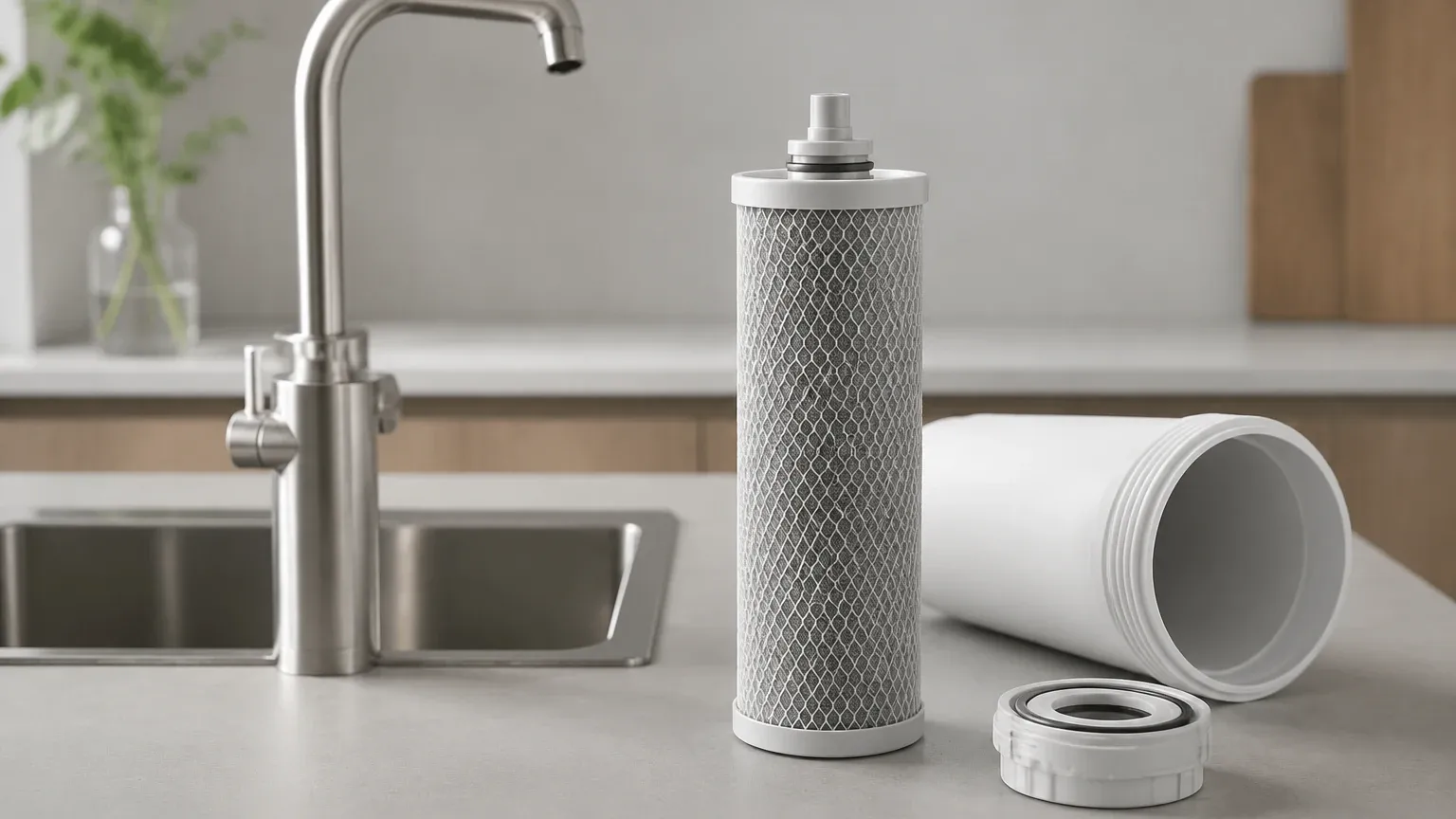
Industrial Standards for Filter Cartridge Manufacturing
At Kaifil, our expertise in industrial filtration informs our understanding of the rigorous standards required for high-performance Filter Cartridges. While consumer-grade filters focus on basic taste improvement, industrial-grade filtration components are designed with a focus on material science and precision engineering.
Material Selection and Durability
Stainless steel mesh and high-strength polymers are often used in industrial filtration to provide structural integrity. When designing or sourcing a replacement filter quooker, we look for materials that are resistant to chemical degradation and mechanical stress. The use of high-quality stainless steel in the manufacturing process—a core competency of Kaifil—ensures that filtration components can operate in demanding environments without contributing metallic leaching to the water supply.
Regulatory Compliance
Any filtration component used in a potable water system must comply with international safety standards. This includes certifications such as NSF/ANSI 42 (Aesthetic Effects) and NSF/ANSI 53 (Health Effects). In the UK and European markets, WRAS (Water Regulations Advisory Scheme) approval is a critical benchmark. These certifications provide assurance to engineers and purchasing teams that the replacement filter quooker has been tested for structural integrity and that the materials used do not contaminate the water.
Best Practices for Filter Maintenance and Installation
The effectiveness of a replacement filter quooker is only as good as its installation and maintenance. Following a standardized procedure ensures the system operates at peak efficiency from day one.
1. System Depressurization: Before removing an old cartridge, the water supply must be shut off, and the pressure must be relieved by opening the tap. This prevents O-ring displacement and potential water damage.
2. Sanitization: It is recommended to wipe the filter head and the surrounding area with a food-safe sanitizer before installing the new cartridge to prevent bacterial ingress.
3. Flushing the New Media: Every new replacement filter quooker contains a small amount of carbon fines (dust) from the manufacturing process. It is essential to flush the filter—usually by running several liters of water through the system—until the water runs clear. This also activates the media and removes any trapped air.
4. Leak Testing: After installation, the system should be monitored under full pressure for several minutes to ensure all seals are seated correctly.
Customization and OEM Solutions for Filtration Systems
For manufacturers of water dispensing equipment or large-scale industrial users, off-the-shelf solutions may not always meet specific performance requirements. This is where customized filtration engineering becomes a competitive advantage.
By adjusting the blend of ion-exchange resins, the density of the carbon block, or the inclusion of specialized pre-filtration layers, a replacement filter quooker can be optimized for specific regional water profiles. At Kaifil, we work closely with global partners to develop custom Filter Cartridges that meet exact specifications for filtration accuracy and durability. Whether the requirement is for high-flow commercial applications or specialized chemical removal, our manufacturing capabilities allow for the creation of filtration components that exceed standard performance benchmarks.
Conclusion: Ensuring Long-Term System Reliability
The investment in a high-quality boiling water system like a Quooker is significant. Protecting that investment requires a disciplined approach to filtration. A high-quality replacement filter quooker is more than just a consumable; it is a critical component that maintains the thermal efficiency, mechanical integrity, and output quality of the entire system.
By prioritizing technical specifications such as scale inhibition capacity, micron ratings, and material certifications, engineers and purchasing professionals can ensure that their water systems remain reliable and cost-effective over their entire service life. Understanding the relationship between water chemistry and filtration technology is the key to making informed decisions that support both operational excellence and user satisfaction.
