


Sainsbury’s Water Filter Cartridges
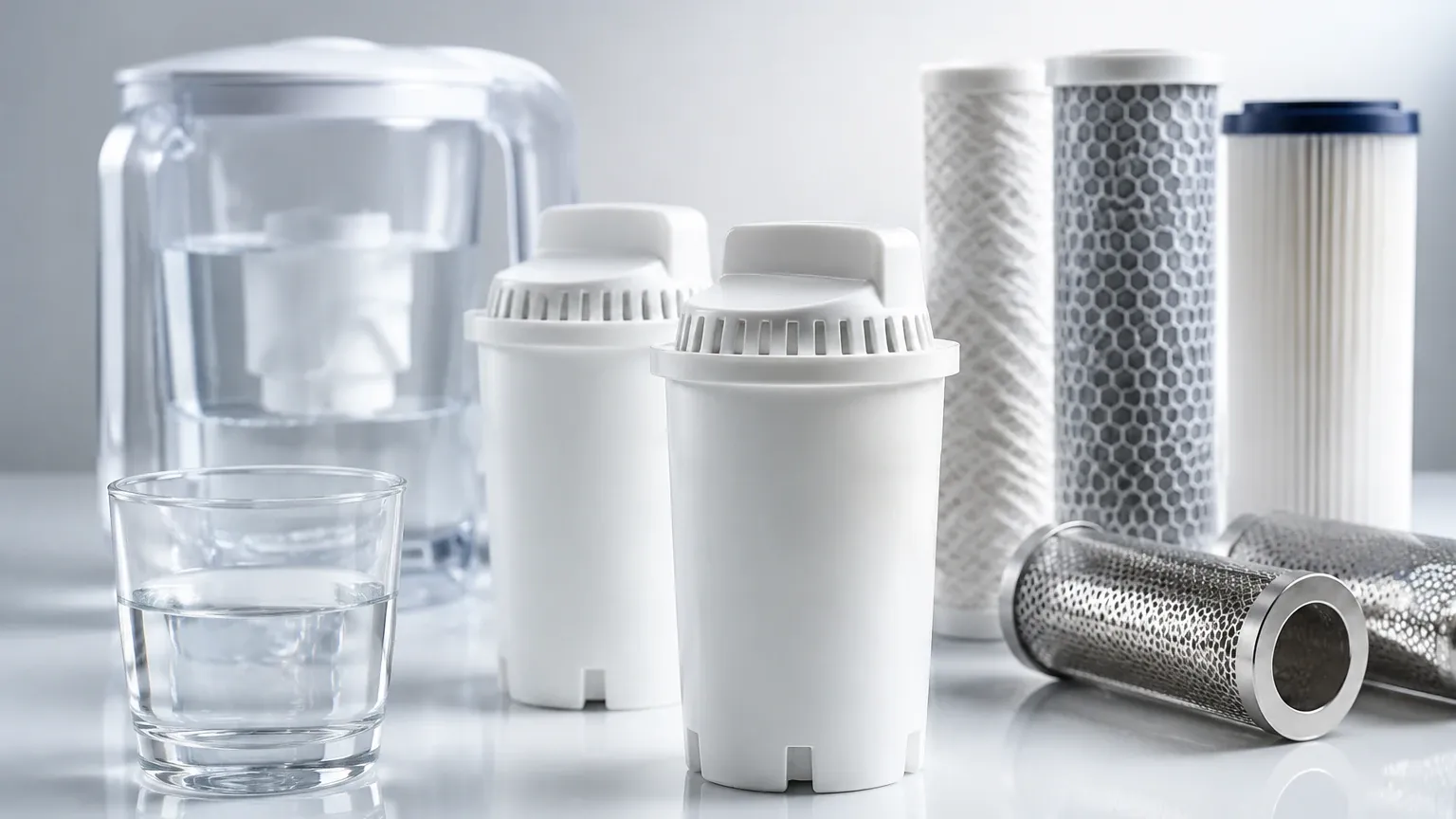
In the landscape of water purification, the transition from domestic consumer solutions to industrial-grade filtration is marked by a significant shift in material science, pressure requirements, and long-term durability. While many users first encounter water treatment through retail options like sainsbury's water filter cartridges for basic hydration and small-scale appliance protection, engineering professionals and facility managers must look toward more robust technologies when scaling up to industrial or commercial applications.
Understanding the fundamental mechanics of these cartridges—and where their limitations lie—is essential for any technical professional tasked with maintaining water quality in a B2B environment. This article examines the technical nuances of water filtration, comparing standard retail-grade solutions with high-performance industrial Filter Cartridges, and provides a framework for evaluating filtration needs based on engineering specifications.
Technical Principles of Water Filtration
Water filtration is governed by several physical and chemical processes. In consumer-grade products, such as sainsbury's water filter cartridges, the primary mechanism is often a combination of activated carbon adsorption and ion-exchange resin.
Adsorption and Chemical Removal
Activated carbon is highly effective at removing chlorine, volatile organic compounds (VOCs), and certain taste-and-odor-causing elements. This is achieved through a high surface area that attracts and traps chemical molecules. In an industrial context, carbon is frequently used as a pre-treatment step to protect downstream components like reverse osmosis (RO) membranes from oxidative damage caused by chlorine.
Ion Exchange
Many retail cartridges utilize ion-exchange resins to reduce water hardness (calcium and magnesium) and heavy metals. While effective for low-volume domestic use, industrial applications requiring high-flow deionization or softening typically move away from disposable cartridges toward large-scale resin vessels or continuous electrodeionization (CEDI) systems.
Mechanical Straining
Mechanical filtration involves the physical trapping of particulates. In industrial settings, this is where stainless steel mesh and sintered metal components become vital. Unlike the plastic-housed fabric or paper media found in domestic units, industrial metal filters offer precise micron ratings and the ability to withstand significant differential pressures without bypass or structural failure.
Comparing Consumer and Industrial-Grade Solutions
When evaluating sainsbury's water filter cartridges against industrial alternatives, engineers must consider the operational environment. Retail cartridges are designed for atmospheric pressure or low-flow municipal tap water. Industrial systems, however, operate under conditions that would cause standard retail components to fail.
Material Integrity
Most consumer cartridges are constructed from food-grade plastics and synthetic fibers. While suitable for ambient temperature water, these materials have low thermal resistance and can leach chemicals if exposed to high temperatures or aggressive cleaning agents. In contrast, industrial stainless steel filters are manufactured from 304 or 316L stainless steel, providing exceptional corrosion resistance and the ability to operate in temperatures exceeding 200°C.
Pressure and Flow Rates
Industrial processes often require high flow rates (measured in cubic meters per hour) and must maintain integrity under high-pressure spikes. A standard retail cartridge might provide a flow rate of only a few liters per minute. If a facility attempts to use consumer-grade technology for process water, the resulting pressure drop (ΔP) would likely starve downstream equipment and lead to frequent, costly downtime for cartridge replacement.
Lifecycle and Reusability
Consumer cartridges are strictly disposable. Once the carbon is saturated or the resin is exhausted, the entire unit must be replaced. Industrial metal Filter Cartridges offer the advantage of being cleanable. Through ultrasonic cleaning, backwashing, or chemical pickling, these stainless steel elements can be restored to near-original performance, significantly reducing the total cost of ownership (TCO) over the life of the plant.
Key Evaluation Criteria for Industrial Water Filtration
Engineers selecting filtration components for a facility must move beyond brand names and focus on objective performance metrics. Whether replacing a small-scale system that previously utilized sainsbury's water filter cartridges or designing a new process line, the following criteria are paramount:
1. Micron Rating (Absolute vs. Nominal)
* Nominal Rating: Indicates the filter can trap a large percentage of particles of a certain size (e.g., 85% of 5-micron particles).
* Absolute Rating: Guarantees that 99.9% or more of particles at that size will be retained. For critical pharmaceutical or food processing applications, absolute ratings are non-negotiable.
2. Chemical Compatibility
Water is rarely "just water" in an industrial setting. It may contain trace acids, alkalis, or solvents. While a plastic cartridge might survive pure water, it may degrade in the presence of industrial cleaning chemicals. Stainless steel remains the gold standard for chemical compatibility across a wide pH range.
3. Dirt Holding Capacity
This refers to the amount of contaminant a filter can retain before the pressure drop reaches a critical limit. Pleated metal designs increase the available surface area, allowing for longer run times between cleaning or replacement cycles compared to depth-style fiber filters.
4. End-Cap Configurations
Industrial filters must fit securely into filter housings to prevent fluid bypass. Common configurations include Double Open End (DOE), Code 7 (226 O-rings with a bayonet lock), and Code 3 (222 O-rings). Ensuring the correct seal type is critical for maintaining the integrity of the filtration stage.
The Role of Stainless Steel in High-Performance Filtration
For applications where reliability is the primary driver, stainless steel wire mesh and sintered metal filters provide a level of performance that synthetic media cannot match. In sectors such as chemical processing, steam filtration, and high-viscosity fluid handling, the structural rigidity of metal is essential.
Stainless steel Filter Cartridges are engineered to handle high differential pressures. In many industrial systems, a filter must remain intact even if the pressure drop exceeds 5-10 bar due to heavy loading. A plastic or paper cartridge would collapse under such stress, sending all the trapped contaminants downstream and potentially damaging expensive machinery like pumps or high-pressure nozzles.
Furthermore, in food and beverage production, the ability to perform Steam-In-Place (SIP) or Clean-In-Place (CIP) procedures is a requirement. Stainless steel components can withstand the thermal shock and chemical exposure of these sterilization processes, ensuring the system remains hygienic without the need to dismantle the housing for every cleaning cycle.
Common Risks and Maintenance Considerations
Regardless of the filter type—from sainsbury's water filter cartridges used in a breakroom to heavy-duty metal mesh in a factory—maintenance is the deciding factor in system longevity.
Fluid Bypass
Bypass occurs when water finds a path around the filter media rather than through it. This is often caused by improperly seated cartridges or damaged O-rings. In industrial systems, even a 1% bypass can lead to significant contamination of the final product.
Pressure Drop Monitoring
Operating a system with a high pressure drop is inefficient and dangerous. It increases the energy consumption of pumps and puts mechanical stress on the filter media. Installing differential pressure gauges before and after the filter housing is a standard best practice that allows operators to schedule maintenance based on actual performance data rather than arbitrary time intervals.
Biofilm Growth
In water systems, stagnant areas or saturated carbon media can become breeding grounds for bacteria. While retail cartridges often incorporate silver-impregnated carbon to inhibit bacterial growth, industrial systems rely on regular sanitization cycles and high-quality stainless steel surfaces that do not provide a porous substrate for biofilm attachment.
Transitioning to Custom Filtration Solutions
For many B2B applications, off-the-shelf solutions are insufficient. When a process involves unique flow rates, specific chemical challenges, or non-standard housing dimensions, custom-engineered filtration becomes necessary.
Customization allows engineers to specify the exact weave pattern of the wire mesh, the number of pleats for optimized surface area, and the specific grade of metal required for the environment. This level of precision ensures that the filtration system is an asset to the production line rather than a bottleneck.
While consumers may be satisfied with the convenience of sainsbury's water filter cartridges for their home needs, the industrial world demands a higher level of accountability and performance. By focusing on the engineering fundamentals of Filter Cartridges, purchasing teams can ensure they are investing in solutions that offer durability, efficiency, and a lower total cost of ownership.
Conclusion
Selecting the right water filtration technology requires a clear understanding of the application's demands. While retail-grade cartridges serve a valuable purpose in low-demand environments, they lack the structural integrity, thermal resistance, and cleanability required for industrial processes. By evaluating factors such as micron ratings, material compatibility, and pressure requirements, technical professionals can transition from basic water treatment to high-performance filtration systems that protect equipment and ensure product quality. Whether the goal is to purify process water or protect sensitive downstream components, the choice of filter media is the foundation of a reliable system.
