


Brita Xxl Water Filter Cartridges
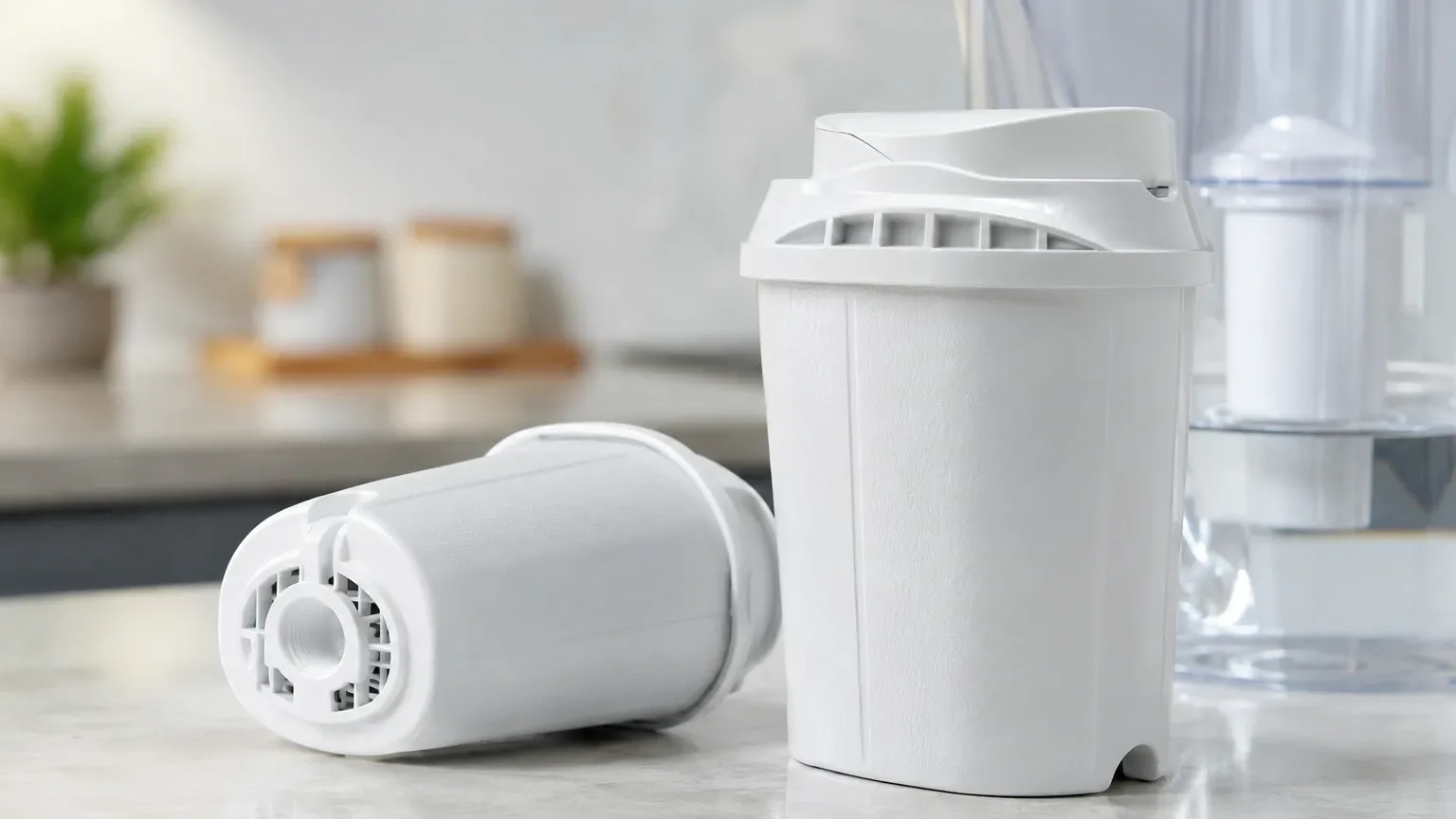
In the landscape of water purification, the demand for high-capacity systems has grown significantly, ranging from residential use to complex industrial processes. While many users are familiar with consumer-grade solutions such as brita xxl water filter cartridges, which focus on improving taste and removing basic impurities for household use, the requirements for industrial filtration are vastly different. For engineers and procurement professionals in sectors like chemical processing, pharmaceuticals, and food production, the transition from consumer-scale capacity to industrial-grade performance involves a shift in material science, pressure tolerance, and filtration precision.
Industrial Filter Cartridges must withstand environments that would compromise standard consumer units. Where a consumer "XXL" cartridge might prioritize volume for a kitchen dispenser, an industrial cartridge focuses on structural integrity, chemical compatibility, and the ability to be cleaned and reused. This article explores the technical distinctions between high-capacity consumer filtration and professional industrial solutions, providing a framework for selecting the right filtration components for demanding applications.
Understanding High-Capacity Filtration Systems
When discussing "XXL" or high-capacity filtration, the primary metric is the total volume of fluid processed before the filter reaches its terminal pressure drop. In consumer models like the brita xxl water filter cartridges, this is often achieved by increasing the volume of activated carbon and ion-exchange resin. However, in an industrial context, capacity is not just a matter of size; it is a function of surface area and flow dynamics.
Industrial engineers often utilize pleated stainless steel wire mesh or multi-layered sintered metal structures to maximize the effective filtration area within a standard footprint. This design allows for higher flow rates and lower initial pressure drops, which are critical for maintaining system efficiency. Unlike consumer cartridges that are typically gravity-fed or operate under low tap pressure, industrial cartridges are engineered to handle high-pressure differentials and significant mechanical stress without bypassing or collapsing.
Material Selection: Consumer Polymers vs. Industrial Stainless Steel
The most significant difference between consumer-grade cartridges and industrial solutions lies in material composition. Most consumer water filters utilize plastic housings and carbon-based media. While effective for removing chlorine and organic compounds from potable water, these materials have clear limitations:
1. Temperature Resistance: Consumer polymers typically fail or deform at temperatures exceeding 40°C (104°F). Industrial processes often require filtration at temperatures reaching 200°C or higher, necessitating the use of 304 or 316L stainless steel.
2. Chemical Compatibility: Industrial fluids may include solvents, acids, or caustic cleaning agents. Stainless steel Filter Cartridges offer superior resistance to corrosion compared to plastic and carbon components.
3. Mechanical Strength: High-pressure hydraulic systems or steam filtration require the rigidity of metal. Sintered mesh or perforated metal cores provide the structural support needed to prevent media migration under fluctuating loads.
For applications involving food and beverage production, industrial-grade stainless steel filters provide a non-leaching, hygienic solution that meets stringent regulatory standards, which is a significant step up from the basic food-grade plastics used in consumer products.
Engineering Standards for Filter Cartridges in Industrial Applications
Selecting a filter cartridge for an industrial process requires a deep dive into technical specifications that go far beyond the scope of consumer products. Engineers must evaluate several key performance indicators to ensure the chosen component aligns with the system's operational requirements.
Micron Ratings and Filtration Efficiency
Consumer filters like brita xxl water filter cartridges generally do not provide specific absolute micron ratings, as their primary goal is aesthetic water improvement. Industrial filters, however, are categorized by nominal or absolute ratings. An absolute rating signifies that 99.9% of particles at a specific size will be retained. For precision industries like microelectronics or pharmaceuticals, a 1-micron or 5-micron absolute filter is often mandatory to protect downstream equipment and product purity.
Structural Integrity and Welding
In high-performance metal filtration, the method of construction is vital. Kaifil utilizes advanced TIG welding and plasma welding techniques to ensure that the end caps and longitudinal seams of the cartridges are leak-proof and capable of withstanding thermal expansion. This level of engineering ensures that the fluid is forced through the filter media rather than bypassing it through weak joints.
Performance Metrics: Flow Rate, Pressure Drop, and Micron Ratings
To optimize a filtration system, an engineer must balance the filtration fineness with the allowable pressure drop. A common misconception is that a finer filter is always better. In reality, choosing a filter that is too fine for the application will lead to rapid clogging and increased maintenance costs.
* Initial Pressure Drop (Clean ΔP): This is the resistance to flow when the filter is new. Industrial stainless steel mesh filters are designed to have a very low initial ΔP, allowing the pump system to operate at lower energy levels.
* Dirt Holding Capacity: This refers to the amount of contaminant the cartridge can hold before the pressure drop reaches a critical level (Terminal ΔP). High-capacity industrial cartridges use graded-density structures or pleating to increase this capacity, extending the time between maintenance cycles.
* Flow Velocity: Industrial systems must maintain specific flow velocities to prevent sedimentation in the piping. The internal geometry of the cartridge must be designed to minimize turbulence and maintain a steady flow.
By analyzing these metrics, purchasing teams can determine the total cost of ownership rather than just the initial purchase price. While a stainless steel cartridge has a higher upfront cost than a disposable plastic unit, its longevity and cleanability often make it the more cost-effective choice over a 12-month period.
Maintenance and Lifecycle Management of Industrial Filter Cartridges
A primary advantage of industrial metal Filter Cartridges over consumer-style brita xxl water filter cartridges is their reusability. Consumer cartridges are designed to be discarded once the media is exhausted, creating significant waste and ongoing replacement costs.
Industrial stainless steel filters can be cleaned using several methods, depending on the nature of the contaminant:
* Backwashing: Reversing the flow of fluid to dislodge particles from the surface of the mesh.
* Ultrasonic Cleaning: Using high-frequency sound waves in a cleaning solvent to remove fine particles trapped deep within the sintered media.
* Chemical Cleaning: Using specialized solvents or acids to dissolve organic or mineral buildup without damaging the stainless steel structure.
* Burn-off/Pyrolysis: For heavy polymer or organic loading, cartridges can be heated in a controlled environment to carbonize and remove the contaminants.
Establishing a clear maintenance schedule based on pressure drop monitoring ensures that the filtration system remains efficient and prevents damage to the filter media from excessive pressure.
Customization and OEM Solutions for Specialized Filtration
Many industrial applications require unique dimensions or fittings that are not available in off-the-shelf products. This is where the capabilities of a specialized manufacturer like Kaifil become essential. Unlike the standardized sizes of brita xxl water filter cartridges, industrial cartridges can be customized in several ways:
* End Cap Configurations: Options include DOE (Double Open End), SOE (Single Open End) with various O-ring styles (222, 226), or threaded connections (NPT, BSP) for high-pressure security.
* Media Layers: Engineers can specify a combination of coarse support mesh and fine filtration mesh to create a multi-stage filter within a single cartridge.
* Reinforcement: For high-viscosity fluids or extreme pressure differentials, internal cores can be reinforced with perforated metal or heavy-duty wire cages.
Customization allows for the integration of high-performance filtration into existing machinery without the need for expensive system redesigns. By working closely with a manufacturer, technical teams can develop a filtration solution that is perfectly matched to their specific fluid chemistry, flow rate, and particulate profile.
Conclusion: Selecting the Right Filtration Grade
While high-capacity consumer products like brita xxl water filter cartridges serve a valuable purpose in residential water treatment, they are not designed for the rigors of industrial environments. For B2B applications, the focus must remain on technical specifications, material durability, and long-term operational efficiency.
Investing in high-quality stainless steel Filter Cartridges provides the reliability needed to protect expensive industrial equipment and ensure product consistency. By understanding the engineering principles behind filtration—such as micron ratings, material compatibility, and cleanability—purchasing professionals and engineers can make informed decisions that optimize their processes and reduce the total cost of filtration over the life of the project. Whether you are managing a water treatment plant, a chemical refinery, or a food processing line, the right filtration component is a critical pillar of operational success.
