


Filter Cartridge 3m 6001
In industrial environments where chemical processing, pharmaceutical manufacturing, or heavy-duty painting operations occur, filtration is a multi-layered requirement. Engineers and safety officers often focus on two distinct but related areas: personal protective equipment (PPE) for worker safety and process filtration for product integrity. The filter cartridge 3m 6001 is a cornerstone of the former, specifically designed to protect personnel from organic vapors. However, understanding its technical parameters and limitations is essential for any facility manager looking to integrate comprehensive filtration strategies, including the high-performance Filter Cartridges used in industrial fluid and gas processing.
Understanding the Technical Specifications of the 3M 6001
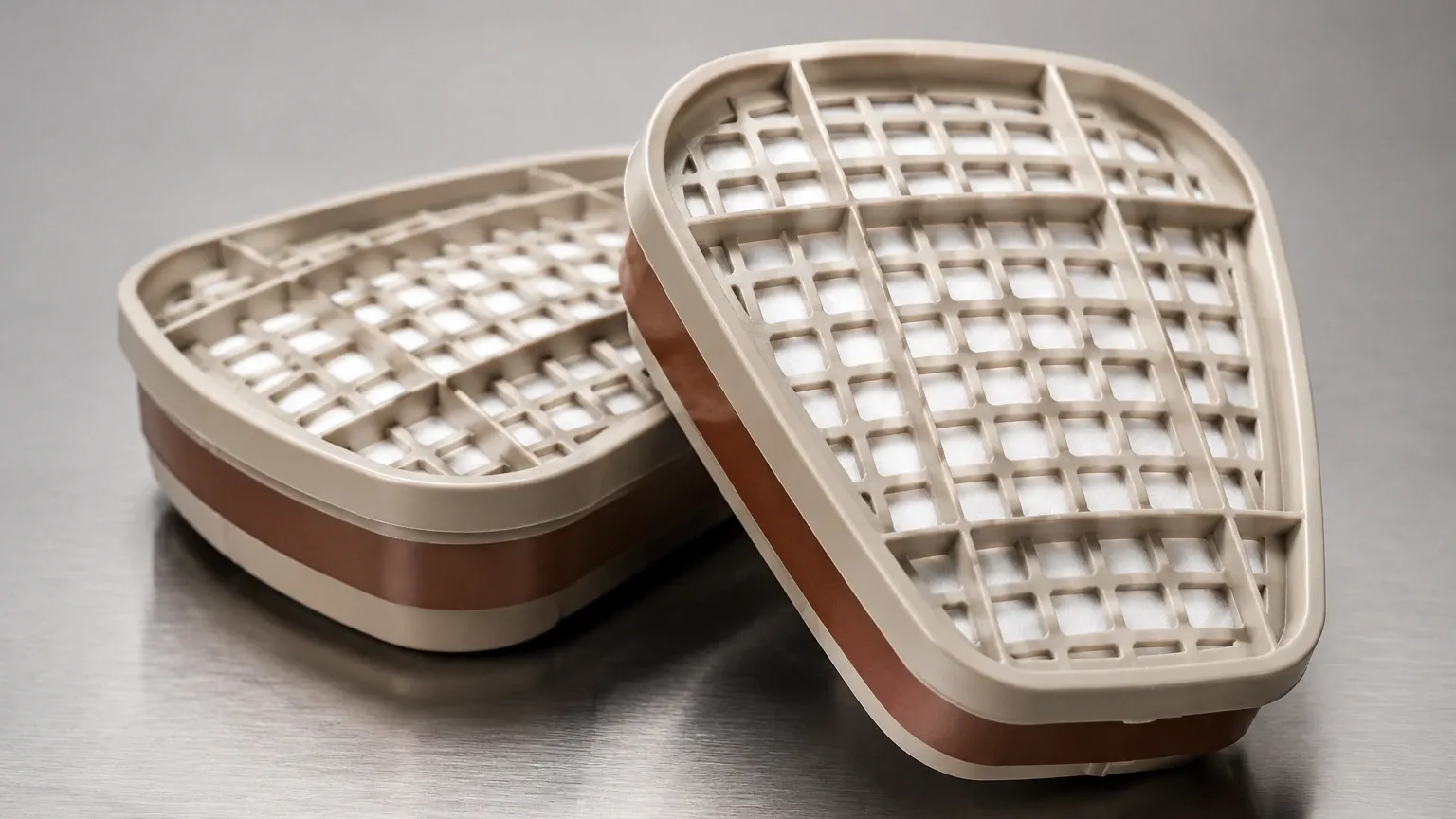
The 3M 6001 is a NIOSH-approved organic vapor cartridge. From an engineering perspective, its primary function is the adsorption of specific gases and vapors through a bed of activated carbon. Unlike mechanical filters that trap particles based on size, the 3M 6001 relies on chemical and physical attraction to remove contaminants at the molecular level.
Key technical attributes include:
* Contaminant Range: It is designed for use against certain organic vapors. This typically includes solvents such as benzene, toluene, and various alcohols found in industrial coatings and chemical synthesis.
* Compatibility: The cartridge utilizes a bayonet attachment system, making it compatible with a wide range of 3M half and full facepiece respirators, such as the 6000, 7000, and FF-400 series.
* Low Profile Design: The swept-back design is engineered to improve the field of vision and balance for the user, which is a critical ergonomic consideration in long-shift industrial applications.
While the 3M 6001 is highly effective for respiratory protection, it does not provide protection against particulates unless combined with a pre-filter. This distinction is vital for engineers who must manage environments where both vaporous chemicals and airborne dust or aerosols are present.
Industrial Applications and Vapor Management
The use of the filter cartridge 3m 6001 is prevalent in sectors where organic solvents are handled. In chemical processing plants, workers may encounter fugitive emissions during the transfer of fluids or the cleaning of reactors. Similarly, in the pharmaceutical industry, the handling of solvent-based active pharmaceutical ingredients (APIs) necessitates robust respiratory protection.
However, managing these vapors at the source is often more efficient than relying solely on PPE. This is where process-level filtration comes into play. Industrial systems often utilize stainless steel Filter Cartridges to strip contaminants from process streams before they can evaporate into the workspace. By implementing high-precision metal filters in the production line, companies can reduce the concentration of organic vapors, thereby extending the service life of personal respiratory cartridges and improving overall facility safety.
Evaluating Filtration Efficiency: From PPE to Process Systems
When evaluating any filtration component, whether it is a respiratory cartridge or an industrial process filter, efficiency is the primary metric. For the 3M 6001, efficiency is determined by the breakthrough time—the point at which the carbon bed becomes saturated and can no longer adsorb vapors. Factors such as humidity, temperature, and the concentration of the contaminant significantly impact this duration.
In contrast, industrial process filters, such as those manufactured from sintered wire mesh or stainless steel fiber felt, are evaluated based on their micron rating and beta ratio. These filters are designed to handle high flow rates and extreme pressures that PPE components are never intended to face. For instance, a stainless steel filter cartridge might be used to remove catalyst fines from a chemical stream, ensuring that the downstream air scrubbers—which might eventually protect workers wearing 3M 6001 cartridges—are not overwhelmed by particulate matter.
The Role of Material Compatibility
Material compatibility is a shared concern across all filtration types. The 3M 6001 uses a plastic housing and activated carbon. In process filtration, the choice of material is even more critical. Stainless steel (304 or 316L) is the standard for industrial applications due to its resistance to corrosion and high temperatures. When dealing with the same organic vapors that a 3M 6001 protects against, the process filters must be able to withstand the solvent's chemical profile without degrading or leaching contaminants into the product.
Selection Criteria for Industrial Filter Cartridges
For engineers tasked with selecting filtration solutions beyond personal safety, the criteria become more complex. While a worker might simply reach for a filter cartridge 3m 6001 based on a safety data sheet (SDS) recommendation, selecting a process filter requires a deep dive into the fluid dynamics and chemical properties of the application.
1. Micron Rating: Does the process require absolute or nominal filtration? For sensitive pharmaceutical or food and beverage applications, absolute-rated stainless steel cartridges are often necessary to ensure 99.9% removal of specified particle sizes.
2. Pressure Drop (Delta P): Every filter introduces resistance. In industrial systems, an excessive pressure drop can lead to pump failure or reduced throughput. Unlike respiratory cartridges, where the "pressure drop" is felt as breathing resistance, industrial filters must be sized to maintain optimal flow.
3. Temperature and Pressure Limits: Process filters often operate in environments exceeding 200°C or under high-pressure hydraulic conditions. Stainless steel cartridges are engineered to maintain structural integrity under these stresses, whereas plastic-housed disposable cartridges would fail.
4. Cleanability vs. Disposal: One of the most significant differences between PPE cartridges like the 3M 6001 and industrial metal filters is the lifecycle. Respiratory cartridges are strictly disposable. However, stainless steel Filter Cartridges can often be cleaned via ultrasonic baths or backpulsing, providing a lower total cost of ownership over time.
Maintenance and Replacement Cycles
A critical question for any filtration system is: "When do we change the filter?" For the filter cartridge 3m 6001, the answer is governed by a change-out schedule based on exposure levels or when the user detects the smell or taste of the contaminant. Modern safety protocols often utilize software to calculate these schedules based on environmental variables.
In industrial process filtration, maintenance is typically driven by differential pressure monitoring. As the filter cake builds up on a stainless steel mesh, the pressure across the element increases. Once it reaches a predetermined threshold, the filter is either replaced or cleaned. For critical applications, redundant filter housings (duplex systems) allow for maintenance without shutting down the entire production line.
Total Cost Considerations
While the initial cost of a disposable cartridge is low, the cumulative expense in a high-exposure environment can be significant. Engineers must weigh this against the higher upfront investment of permanent stainless steel filtration systems. By optimizing the process filtration to capture more contaminants at the source, the frequency of PPE replacement can be reduced, leading to significant long-term savings and a smaller environmental footprint due to reduced waste.
Custom Filtration Solutions for Demanding Environments
Standard off-the-shelf solutions like the 3M 6001 are designed for broad utility. However, many industrial processes involve unique challenges that standard cartridges cannot address. High-viscosity fluids, highly corrosive chemicals, or extreme cryogenic temperatures require customized engineering.
Custom stainless steel filtration components allow for:
* Tailored Geometry: Designing filter elements to fit existing housings or constrained spaces.
* Specific Alloy Selection: Using specialized metals like Monel or Hastelloy for environments where even 316L stainless steel might succumb to corrosion.
* Reinforced Structures: Adding internal support cores or external shrouds to handle high-pressure surges or mechanical vibration.
At Kaifil, the focus is on providing these precision-engineered solutions. While we recognize the vital role that respiratory products like the 3M 6001 play in site safety, our expertise lies in ensuring that the industrial processes themselves are as clean, efficient, and reliable as possible. By focusing on high-quality Filter Cartridges made from durable metal media, we help engineers solve complex filtration challenges in the most demanding sectors.
Conclusion
Effective industrial filtration requires a holistic approach. The filter cartridge 3m 6001 remains an essential tool for protecting the individual worker from organic vapors, but it is only one piece of the puzzle. By understanding the technical requirements of both PPE and process-level filtration, purchasing teams and engineers can create a safer, more efficient manufacturing environment. Whether you are managing air quality for personnel or ensuring the purity of a chemical product, selecting the right filtration media—be it activated carbon for vapors or precision-engineered stainless steel for process fluids—is the key to operational excellence. For those seeking durable, high-performance process solutions, exploring specialized metal Filter Cartridges is the logical next step in optimizing your facility's filtration architecture.
