


Tunze Filter Cartridges 800.01
In the landscape of industrial and specialized water treatment, the selection of filtration media is a critical engineering decision that directly impacts system efficiency, maintenance frequency, and the longevity of downstream components. The Tunze Filter Cartridges 800.01 represent a specific category of filtration media designed for high-clarity requirements. While often associated with precise water management systems, understanding the technical nuances of these cartridges is essential for engineers and purchasing teams who must balance filtration performance with operational costs.
Industrial filtration requires a deep understanding of particle dynamics, fluid chemistry, and mechanical stress. Whether utilizing standard commercial components like the Tunze 800.01 or transitioning to robust, custom-engineered Filter Cartridges, technical professionals must evaluate how the media interacts with the specific fluid stream. This article provides a technical overview of the 800.01 series and explores the broader engineering considerations for industrial-grade filtration solutions.
Understanding the Application of Tunze Filter Cartridges 800.01
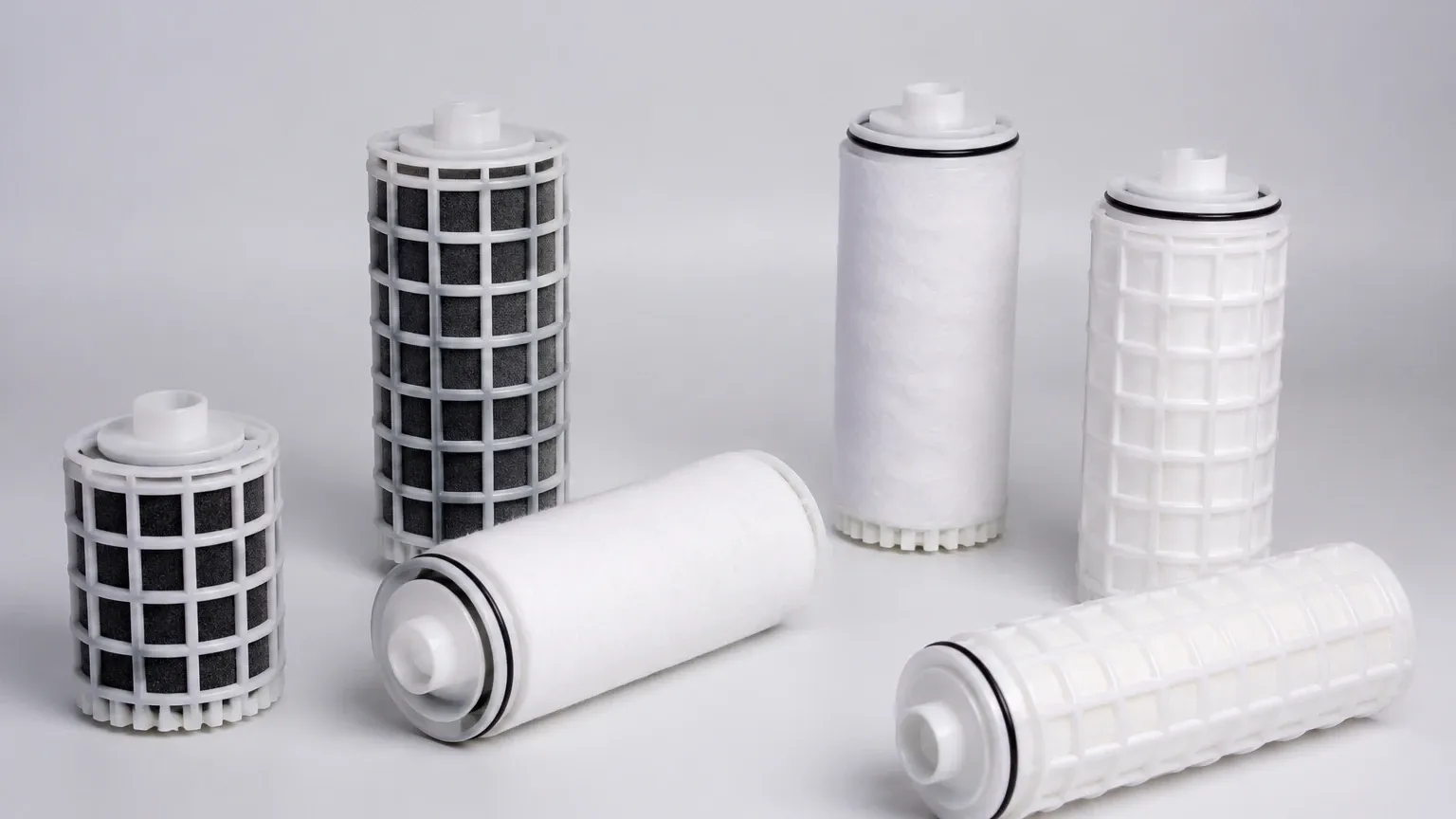
The Tunze Filter Cartridges 800.01 are typically deployed in applications requiring the removal of fine suspended solids. These cartridges are engineered to fit specific housing units, such as the Comline Filter 3162 or the DOC Skimmer series, where they serve as a primary mechanical barrier. In a technical context, these cartridges function as depth filtration media, where particles are trapped throughout the thickness of the material rather than just on the surface.
From an engineering perspective, the 800.01 model is designed for high flow rates relative to its compact size. It is often utilized in systems where space is a constraint but water clarity is paramount. However, when these components are considered for broader industrial applications—such as chemical processing or pharmaceutical water loops—the limitations of synthetic fiber media must be weighed against the benefits of more durable materials like stainless steel. The 800.01 is highly effective for organic matter and fine particulates, but it is essential to monitor the pressure differential as the cartridge reaches its loading capacity.
Technical Specifications and Performance Parameters
When evaluating filter cartridges, engineers focus on several key performance indicators (KPIs) that define the component's suitability for a given process. For the Tunze 800.01 and similar industrial cartridges, these parameters include:
Filtration Accuracy and Micron Rating
The micron rating determines the size of particles the cartridge can effectively retain. The 800.01 is designed for fine mechanical filtration, often targeting particles in the 20 to 50-micron range. In industrial settings, the distinction between "nominal" and "absolute" ratings is vital. A nominal rating indicates the cartridge can trap a percentage of particles at that size, whereas an absolute rating implies a much higher efficiency (often 99.9%).
Flow Rate and Flux
The flux, or the rate of flow per unit area of the filter media, is a critical calculation. High flux can lead to premature clogging and increased mechanical stress on the cartridge structure. The design of the 800.01 allows for efficient throughput in low-viscosity fluids, but in industrial hydraulic or chemical systems, the viscosity of the fluid must be factored into the flow calculations to prevent cavitation or pump strain.
Structural Integrity
Filter cartridges must withstand the differential pressure ($ΔP$) that increases as the media becomes loaded with contaminants. The 800.01 is constructed to maintain its shape under standard operating pressures, but in heavy-duty industrial applications, reinforced cores or stainless steel supports are often required to prevent media migration or collapse.
Material Selection: Synthetic vs. Stainless Steel Filtration
A primary consideration for technical procurement is the material of the filter media. The Tunze Filter Cartridges 800.01 typically utilize high-quality synthetic fibers, which are excellent for one-time use or short-term applications in non-corrosive environments. However, as industrial requirements become more demanding, the limitations of synthetics become apparent.
Temperature and Chemical Resistance
Synthetic cartridges often have a limited temperature range, typically losing structural integrity above 60°C (140°F). In contrast, stainless steel filter cartridges, such as those manufactured by Kaifil, can operate in extreme environments exceeding 300°C. Furthermore, in chemical processing involving solvents, acids, or alkalis, synthetic fibers may degrade or leach impurities into the fluid stream. Stainless steel (304, 316, or 316L) provides superior chemical compatibility and ensures that the filtration process does not introduce secondary contaminants.
Reusability and Sustainability
Standard synthetic cartridges like the 800.01 are generally considered consumables. Once they reach their maximum dirt-holding capacity, they are replaced. In high-volume industrial processes, this leads to significant waste and ongoing replacement costs. Stainless steel wire mesh filters offer the advantage of being cleanable and reusable. Through ultrasonic cleaning or backwashing, these cartridges can be restored to near-original performance, significantly reducing the total cost of ownership over the life of the system.
Critical Factors in Industrial Filter Selection
Selecting the right filter cartridge involves more than matching dimensions. Engineers must conduct a thorough analysis of the process conditions to ensure the chosen component does not become a bottleneck or a point of failure.
Particle Size Distribution (PSD)
Before selecting a cartridge, it is necessary to understand the PSD of the influent. If the fluid contains a high concentration of large particles, a multi-stage filtration approach is recommended. Using a coarse pre-filter can extend the life of a fine cartridge like the 800.01 by preventing the surface from blinding prematurely.
Pressure Drop Considerations
The initial pressure drop across a clean filter cartridge should be minimized to conserve energy. As the filter collects debris, the $ΔP$ increases. In automated industrial systems, pressure sensors trigger a maintenance cycle once a specific threshold is reached. Engineers must ensure that the cartridge selected has sufficient surface area to maintain an acceptable $ΔP$ for the required service interval.
Compatibility with Housing Standards
Standardization is key in B2B procurement. While the 800.01 is designed for specific Tunze housings, many industrial systems utilize standard DOE (Double Open End) or SOE (Single Open End) configurations with various O-ring codes (e.g., Code 7, Code 3). Ensuring that the cartridge interface is compatible with existing housings is essential to prevent bypass—where unfiltered fluid leaks around the cartridge seals.
Maintenance, Cleaning, and Replacement Cycles
For any filtration system, the maintenance protocol determines the consistency of the output quality. With the Tunze Filter Cartridges 800.01, regular inspection is required to ensure that the media has not become saturated. In aquarium or light laboratory use, this might be a weekly check, but in industrial continuous-flow environments, the cycle is much more rigorous.
Signs of Cartridge Exhaustion
1. Reduced Flow Rate: A noticeable drop in the effluent flow indicates that the pore structure is blocked.
2. Increased Differential Pressure: The most reliable metric for replacement in industrial settings.
3. Turbidity Breakthrough: If the effluent quality degrades, it may indicate that the cartridge has bypassed or the media has experienced mechanical failure.
Cleaning Protocols for Industrial Cartridges
While the 800.01 is typically replaced, industrial metal cartridges require specific cleaning protocols. Depending on the contaminant, this may involve chemical soaking, high-pressure water jetting, or thermal processing to burn off organic binders. Understanding the cleanability of a cartridge is a major factor in calculating long-term operational expenditures (OPEX).
Custom OEM Solutions for Specialized Filtration
In many B2B scenarios, off-the-shelf components like the Tunze 800.01 may not meet the exact specifications of a proprietary machine or a unique chemical process. This is where custom OEM (Original Equipment Manufacturer) solutions become invaluable. Manufacturers like Kaifil specialize in engineering bespoke filtration components that match the exact physical and performance requirements of a client's system.
Engineering Customization Options
* Variable Micron Ratings: Customizing the weave pattern of a stainless steel mesh to achieve specific filtration cut-offs.
* Reinforced Structures: Adding internal support cores or external cages for high-pressure hydraulic applications.
* Custom End-Caps: Engineering specific mounting hardware to retro-fit into older or non-standard filter housings.
* Material Upgrades: Moving from standard polymers to specialized alloys like Hastelloy or Monel for extremely corrosive environments.
By working closely with a manufacturer, engineering teams can transition from standard consumables to optimized filtration solutions that improve system reliability and reduce downtime. Whether the goal is to find a more durable alternative to the 800.01 or to design a completely new filtration stage, technical collaboration ensures that the final product aligns with the application's specific demands.
Conclusion: Making Informed Purchasing Decisions
The Tunze Filter Cartridges 800.01 serve a vital role in precision water management, offering efficient mechanical filtration in a compact form factor. However, for the B2B sector and industrial engineering, the choice of a filter cartridge must be viewed through the lens of material compatibility, structural durability, and long-term cost efficiency.
When evaluating filtration options, engineers should prioritize components that offer predictable performance and minimal maintenance requirements. For applications where synthetic cartridges reach their limits, exploring industrial-grade Filter Cartridges made from stainless steel provides a path toward greater operational stability. By confirming filtration accuracy, flow requirements, and environmental constraints before purchase, technical professionals can ensure their systems remain efficient and their processes remain uninterrupted.
