


Cartridge Filter 903 04
In the landscape of industrial filtration, part numbers and specifications such as the cartridge filter 903 04 serve as critical identifiers for engineering and procurement teams. These designations typically define the physical dimensions, material composition, and performance characteristics required for specific machinery or process lines. When sourcing components for demanding environments—such as chemical processing, high-temperature fluid handling, or food-grade applications—understanding the technical nuances behind these specifications is essential for maintaining system integrity and operational efficiency.
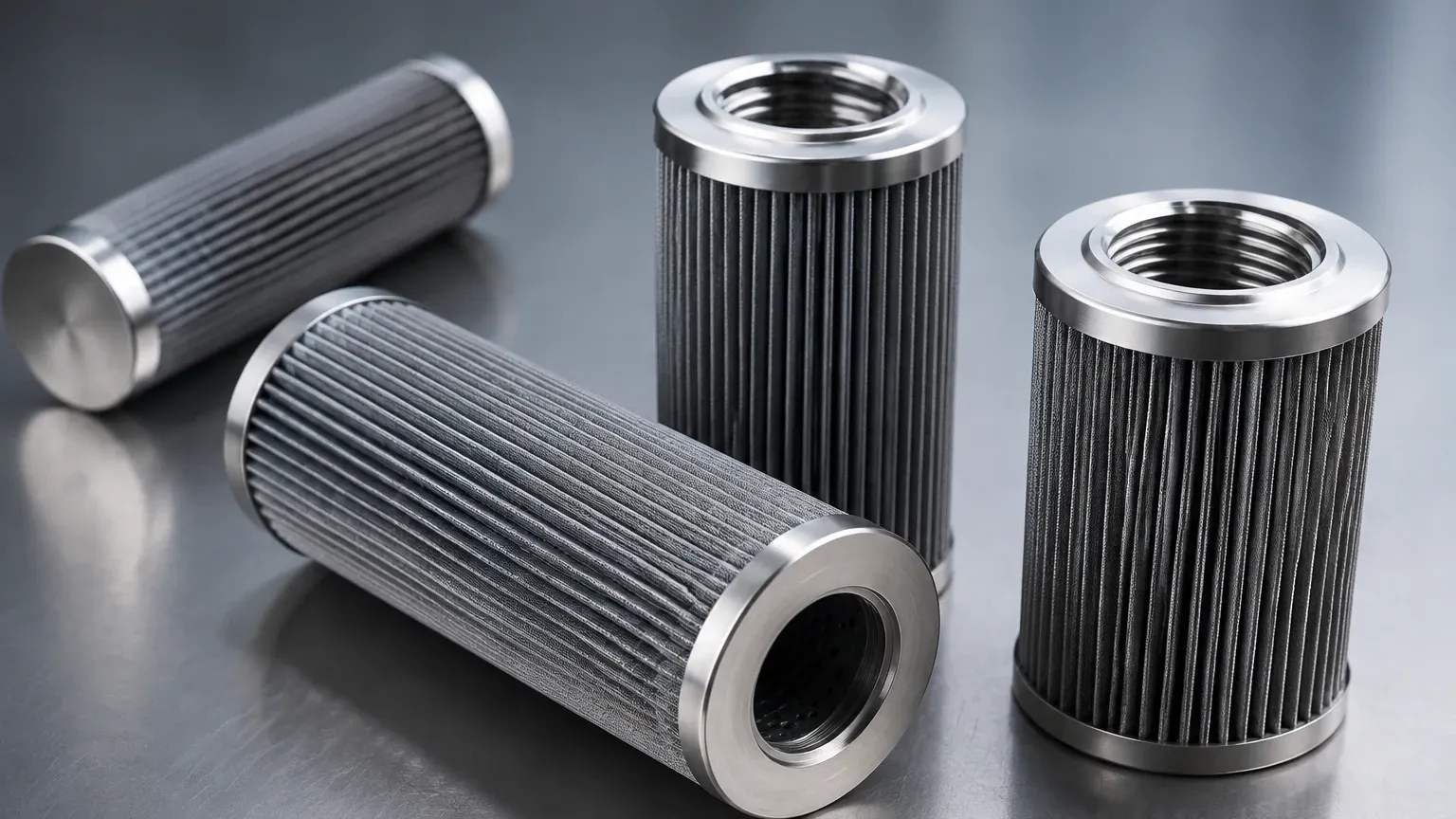
As a specialized manufacturer, Kaifil provides high-performance Filter Cartridges designed to meet or exceed the rigorous standards of industrial part numbers like the 903 04. This guide examines the technical parameters of these filtration components, the advantages of stainless steel construction, and the engineering considerations necessary for optimal selection.
Technical Specifications and the 903 04 Designation
The designation "903 04" often refers to a specific configuration of a filter element, where the numerical codes represent the series, size, or material grade. In many industrial contexts, the "04" suffix is used to denote the use of Type 304 stainless steel, a standard austenitic alloy known for its excellent corrosion resistance and durability.
When evaluating a cartridge filter 903 04, engineers must confirm several critical dimensions and properties:
* Outer Diameter (OD) and Inner Diameter (ID): Precise measurements are required to ensure the cartridge fits securely within the filter housing, preventing bypass—a condition where unfiltered fluid escapes around the element.
* Overall Length: Proper length ensures the compression of seals and gaskets, maintaining the pressure boundary of the filtration system.
* End Cap Configuration: Whether the cartridge uses a Double Open End (DOE), Single Open End (SOE) with an O-ring (such as 222 or 226 styles), or a threaded connection determines the ease of installation and the reliability of the seal.
By utilizing stainless steel wire mesh or sintered metal media, these cartridges offer a robust alternative to disposable polymer or paper filters, particularly in applications where pressure differentials and temperature fluctuations are high.
Material Advantages of Stainless Steel Filter Cartridges
While many standard 903 04 filters may be constructed from synthetic fibers or cellulose, industrial applications often demand the superior properties of metal. Stainless steel Filter Cartridges provide several distinct advantages that contribute to long-term reliability.
Corrosion and Chemical Resistance
Type 304 and 316L stainless steel are the primary materials used in high-quality metal filtration. While 304 is suitable for many general-purpose industrial applications, 316L is preferred for environments involving chlorides or high acidity, such as pharmaceutical manufacturing or marine applications. The choice of material directly impacts the lifespan of the filter and prevents media migration into the process stream.
Thermal Stability
Unlike polymer-based cartridges that may soften or degrade at temperatures exceeding 100°C, stainless steel elements can operate effectively at temperatures reaching several hundred degrees Celsius. This makes them indispensable for steam filtration, hot oil systems, and high-temperature chemical reactions.
Mechanical Strength
In hydraulic systems or high-viscosity fluid processing, filters are subjected to significant structural stress. Stainless steel wire mesh and sintered metal components possess the rigidity to withstand high collapse pressures, ensuring that the filter media does not deform or fail under heavy loads.
Filtration Efficiency and Micron Ratings
One of the most critical factors in selecting a cartridge filter 903 04 is the micron rating, which defines the size of particles the filter is capable of capturing. This is categorized into two primary types: nominal and absolute.
1. Nominal Rating: This indicates the filter's ability to retain a major percentage (typically 60% to 90%) of particles of a specific size. It is often used for pre-filtration where total removal is not required.
2. Absolute Rating: This represents the diameter of the largest hard spherical particle that will pass through the filter under specified test conditions. For critical processes in the food and beverage or pharmaceutical industries, absolute-rated cartridges are necessary to ensure product purity.
Kaifil's manufacturing process allows for precise control over the pore size of the wire mesh. By utilizing multi-layer sintered mesh or pleated designs, we can achieve high dirt-holding capacities while maintaining low initial pressure drops. This balance is vital for extending the time between cleaning cycles and reducing energy consumption in pumping systems.
Engineering Considerations for Customization
Standard part numbers like the cartridge filter 903 04 may not always meet the unique requirements of every industrial process. Customization is often necessary to optimize performance. When working with a manufacturer like Kaifil, engineers can specify several variables:
* Pleated vs. Cylindrical Design: Pleated cartridges offer a significantly larger surface area than cylindrical ones, which translates to lower flux rates and longer service life. Cylindrical designs, however, are easier to clean and are often used in simpler filtration tasks.
* Reinforcement Layers: For high-pressure applications, the filter media can be supported by internal cores or external shrouds made of perforated metal. This prevents the mesh from collapsing or expanding under pressure surges.
* Seal Selection: The choice of gasket or O-ring material (e.g., Viton, EPDM, PTFE, or Silicone) must be compatible with the process fluid and the operating temperature to prevent leaks.
By tailoring these Filter Cartridges to the specific application, facilities can reduce the risk of downtime and ensure consistent filtration quality.
Maintenance, Cleaning, and Total Cost of Ownership
A primary driver for choosing stainless steel versions of the 903 04 cartridge is the ability to clean and reuse the element. In contrast to disposable filters that must be discarded once they reach their terminal pressure drop, metal filters can be restored through various cleaning methods:
* Backwashing: Reversing the flow of fluid through the filter to dislodge accumulated debris.
* Ultrasonic Cleaning: Using high-frequency sound waves in a cleaning solution to remove fine particles trapped deep within the mesh pores.
* Chemical Cleaning: Utilizing specific solvents or acids to dissolve organic or inorganic scaling without damaging the stainless steel structure.
* Burn-off/Pyrolysis: For filters used in polymer or resin processing, high-heat ovens can be used to remove carbonized material.
Total Cost of Ownership (TCO)
While the initial purchase price of a stainless steel cartridge filter 903 04 is higher than a disposable equivalent, the Total Cost of Ownership is often significantly lower. The reduction in waste disposal costs, the elimination of frequent replacement labor, and the extended service life of the metal element provide a rapid return on investment (ROI). Furthermore, the durability of stainless steel reduces the risk of catastrophic filter failure, which can lead to expensive downstream equipment damage or product contamination.
Application Scenarios for 903 04 Style Filters
The versatility of the 903 04 specification allows it to be utilized across a broad spectrum of industries. Understanding the specific demands of each sector helps in refining the filter selection.
* Chemical Processing: Used for filtering catalysts, solvents, and corrosive acids where material compatibility is paramount.
* Food and Beverage: Employed in the filtration of edible oils, syrups, and beverages. In these cases, the filter must comply with food safety standards and be capable of undergoing Clean-in-Place (CIP) procedures.
* Hydraulic Systems: Protecting sensitive valves and pumps from particulate wear. The high collapse strength of stainless steel is a critical requirement here.
* Water Treatment: Used in pre-filtration for Reverse Osmosis (RO) systems or as a final polish for industrial process water, where high flow rates and low maintenance are prioritized.
Verification and Quality Assurance
Before finalizing a purchase for a cartridge filter 903 04, it is vital to verify the quality standards of the manufacturer. Reliable filtration components should undergo rigorous testing to ensure they meet the claimed specifications. Common quality control measures include:
* Bubble Point Test: Used to verify the integrity of the filter and confirm its pore size.
* Pressure Drop vs. Flow Rate Testing: Ensuring the filter does not create an excessive restriction in the system.
* Material Certification: Providing documentation (such as Mill Test Reports) that confirms the grade of stainless steel used in construction.
Kaifil's commitment to quality ensures that every filter cartridge produced adheres to strict manufacturing tolerances, providing peace of mind for engineers managing critical infrastructure.
Conclusion
The cartridge filter 903 04 represents more than just a part number; it is a critical component in the maintenance of industrial process purity and equipment longevity. By opting for high-quality stainless steel Filter Cartridges, organizations can achieve superior filtration accuracy, withstand extreme operating conditions, and realize significant cost savings over the equipment's lifecycle.
When sourcing these components, it is essential to partner with a manufacturer that understands the engineering complexities of filtration. Whether you require a standard replacement or a custom-engineered solution for a unique application, confirming the technical parameters and material requirements is the first step toward optimized performance. For those looking to upgrade their current systems or develop new filtration protocols, exploring the full range of metal filter options is highly recommended.
