


Oil Filtration Unit
In industrial environments, the longevity and reliability of machinery are inextricably linked to the cleanliness of the fluids powering and lubricating them. An oil filtration unit serves as a critical maintenance tool designed to remove contaminants—ranging from microscopic particulates and water to varnish and oxidation byproducts—from hydraulic oils, gear oils, and lubrication fluids. For engineers and maintenance professionals, selecting or designing an effective oil filtration unit requires a deep understanding of fluid dynamics, contaminant loading, and the structural integrity of the filtration media.
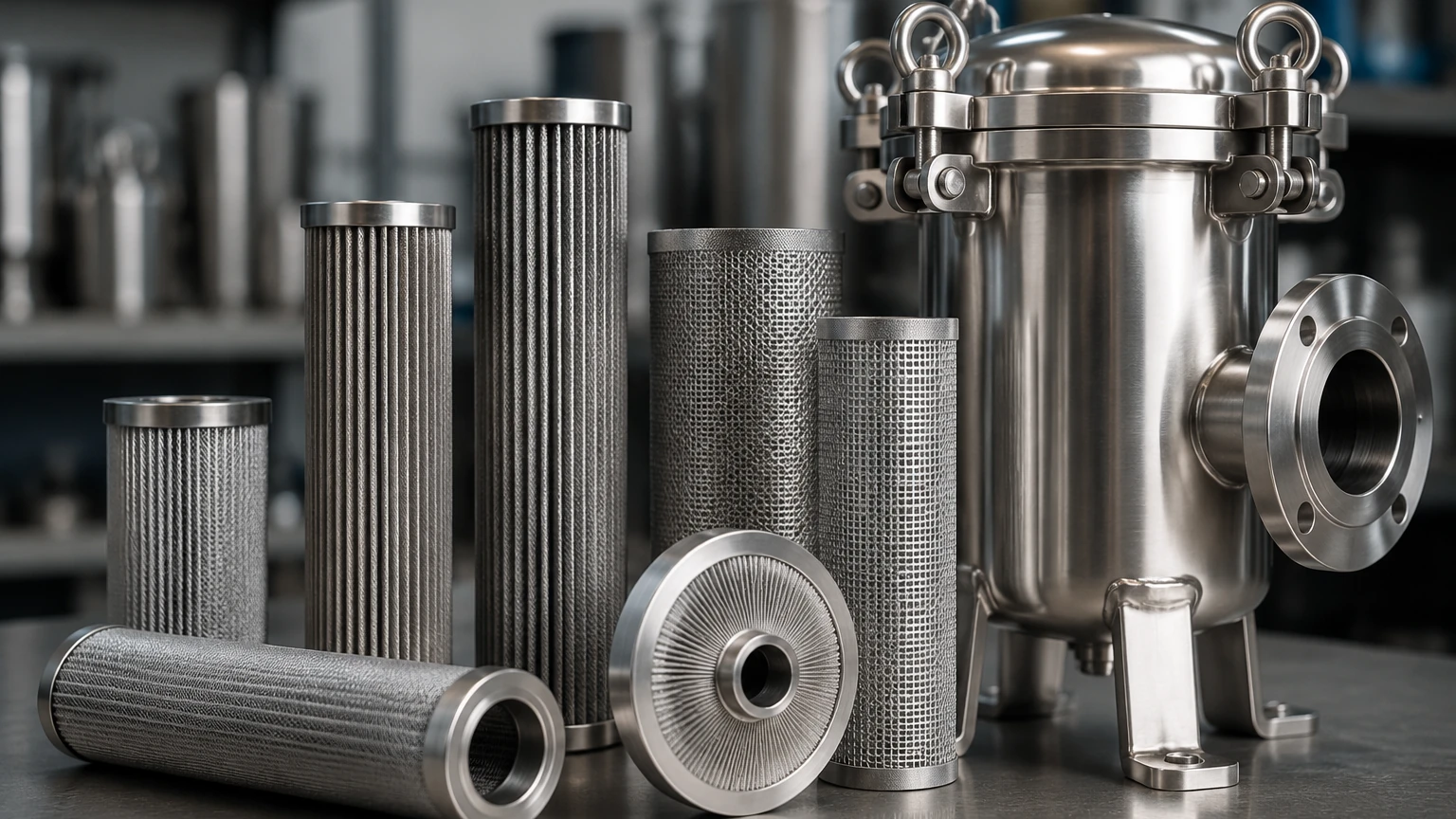
As a specialized manufacturer of stainless steel filtration solutions, Kaifil provides the precision-engineered components that form the heart of these units. Whether integrated into a stationary bypass system or a portable filtration cart, the quality of the filter element determines the ultimate cleanliness level of the oil and the protection afforded to downstream components like pumps, valves, and actuators.
The Role of an Oil Filtration Unit in Industrial Maintenance
An oil filtration unit is typically employed in two primary configurations: as a dedicated bypass (kidney-loop) system or as a portable maintenance tool. Unlike standard full-flow filters integrated into a machine's primary circuit, which must handle the entire flow rate and often have coarser ratings to prevent excessive pressure drop, an independent filtration unit can operate at a constant, optimized flow rate. This allows for the use of high-efficiency, fine-micron media that can achieve significantly lower ISO 4406 cleanliness codes.
The primary objective of using an oil filtration unit is to extend the service life of the oil and the mechanical components. By continuously or periodically removing contaminants, these units prevent the "chain reaction of wear," where hard particles generate more particles through abrasion. Furthermore, specialized units can address moisture ingress, which is a leading cause of oil additive depletion and component corrosion.
Engineering Considerations for Filter Media Selection
When evaluating an oil filtration unit, the choice of filter media is the most significant technical decision. While disposable cellulose or synthetic glass fiber elements are common, many industrial applications—particularly those involving high temperatures, aggressive chemicals, or a requirement for reusable components—demand stainless steel wire mesh or sintered metal filters.
Material Compatibility and Durability
Stainless steel filters, such as those manufactured by Kaifil, offer superior chemical compatibility compared to polymer-based media. In applications involving synthetic lubricants or fluids with high acidity, stainless steel ensures that the filter medium does not degrade or leach surfactants into the oil. Additionally, the structural rigidity of stainless steel wire mesh prevents media migration, a common failure mode where filter fibers break off and enter the clean oil stream.
Micron Rating and Beta Ratios
Engineers must distinguish between nominal and absolute micron ratings. For critical hydraulic systems, an absolute rating is necessary to ensure that 99.9% of particles at a specific size are captured. The Beta ratio (β) provides a quantitative measure of this efficiency. When configuring an oil filtration unit, the target ISO 4406 code (e.g., 16/14/11) should dictate the required Beta ratio of the filter element.
Pressure Drop and Viscosity
Oil viscosity varies significantly with temperature. A high-viscosity gear oil at startup will create a much higher differential pressure (ΔP) across the filter than a hydraulic oil at operating temperature. Stainless steel mesh filters are advantageous here because they can be engineered with high open areas to minimize initial pressure drop while maintaining high mechanical strength to withstand the stresses of cold-start conditions.
Key Components of an Effective Oil Filtration System
A robust oil filtration unit is more than just a filter housing. To ensure reliable performance in demanding B2B environments, several components must work in harmony:
1. The Pump and Motor: Usually a positive displacement pump (like a gear or vane pump) is used to maintain a steady flow regardless of the oil's viscosity or the increasing pressure drop as the filter loads with dirt.
2. Filter Housings: These must be rated for the maximum system pressure and designed for ease of maintenance. Kaifil specializes in custom stainless steel housings and internal components that ensure a leak-proof seal and optimal flow distribution.
3. Differential Pressure Indicators: These sensors alert operators when the filter element is nearing its dirt-holding capacity. In automated systems, these can trigger a system shutdown or a bypass alarm.
4. Water Removal Stages: For systems prone to moisture, the unit may include a water-absorbing element or a vacuum dehydration stage. Stainless steel mesh can also be treated or layered to assist in coalescing water droplets for easier separation.
Evaluating Total Cost of Ownership (TCO)
For purchasing teams, the initial capital expenditure of an oil filtration unit is only one part of the equation. The Total Cost of Ownership (TCO) is heavily influenced by the frequency of filter replacements and the cost of downtime.
While disposable elements have a lower upfront cost, the long-term expense of purchasing, stocking, and disposing of used filters can be substantial. In contrast, stainless steel filter cartridges can often be cleaned and reused multiple times. This not only reduces the recurring cost but also aligns with corporate sustainability goals by minimizing industrial waste. When calculating TCO, engineers should factor in the cost of labor for filter changes and the potential cost of a catastrophic component failure if a lower-quality filter bypasses or fails.
Common Risks and Selection Pitfalls
Selecting the wrong oil filtration unit or inappropriate filter media can lead to several operational risks:
* Bypass Valve Issues: If the unit’s internal bypass valve is set too low, or if the filter reaches its pressure limit too quickly, contaminated oil will simply circulate around the filter, rendering the unit useless.
* Incompatible Seals: Often overlooked, the O-rings and seals within the filtration unit must be compatible with the specific oil type (e.g., Viton for high temperatures or specific synthetic fluids).
* Inadequate Flow Control: If the pump flow rate is too high for the filter’s surface area, it can lead to "channelling," where particles are forced through the media, or the media itself is deformed.
* Neglecting Varnish: Standard particulate filters are often ineffective against oil varnish (soft contaminants). If varnish is a known issue, the unit must be equipped with specialized depth media or electrostatic modules.
Technical Confirmation Before Procurement
Before finalizing a specification for an oil filtration unit or replacement elements, technical teams should confirm the following data points:
* Fluid Type and Viscosity: Specify the oil grade and the minimum/maximum operating temperatures.
* Target Cleanliness Level: Define the desired ISO 4406 code based on the most sensitive component in the system.
* Contaminant Type: Is the primary concern hard silica dust, soft metal wear particles, or water?
* Flow Requirements: Determine the necessary turnover rate (how many times the total oil volume should pass through the filter per hour).
* Environmental Conditions: Will the unit operate in a corrosive chemical plant, a food-grade facility, or a high-temperature foundry?
For those seeking precision-engineered filtration components, reviewing specialized manufacturing capabilities is essential. You can Review product options and application support on our Main Page to see how custom stainless steel solutions can be integrated into your filtration strategy.
Conclusion
An oil filtration unit is an investment in the reliability of industrial infrastructure. By moving beyond basic filtration and focusing on high-performance materials like stainless steel wire mesh, companies can achieve more consistent oil cleanliness, reduce mechanical wear, and lower long-term operational costs. Success lies in the technical alignment between the filtration unit's capabilities and the specific demands of the industrial application. Through careful media selection and a focus on engineering durability, maintenance teams can ensure that their oil remains a functional asset rather than a source of system failure.
