


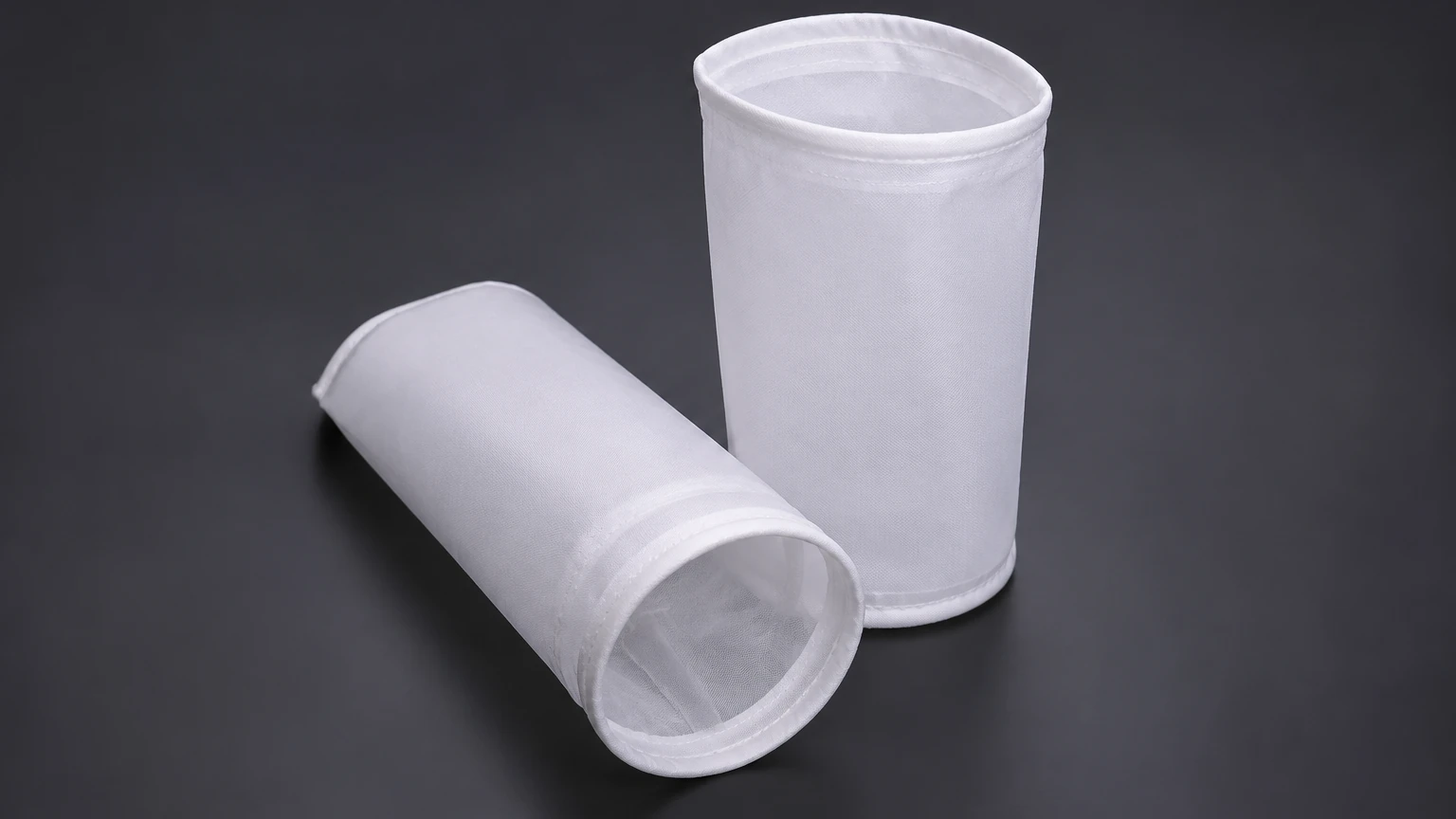
100 Micron Filter Bag
In the landscape of industrial liquid filtration, the 100 micron filter bag represents one of the most versatile and widely utilized specifications. Positioned at the intersection of coarse pre-filtration and fine clarification, a 100 micron rating is essential for protecting downstream equipment, ensuring product purity, and managing the total cost of ownership in fluid processing systems. For engineers and procurement teams, selecting the right 100 micron filter bag requires a deep understanding of material science, flow dynamics, and the specific mechanical requirements of the application.
As a specialized manufacturer, Kaifil provides precision-engineered filtration components designed to meet these rigorous industrial standards. Whether used in chemical processing, food and beverage production, or water treatment, the performance of a filtration system often hinges on the reliability of these fundamental components. To explore technical specifications and customized filtration options, professionals often visit the Main Page of industry-leading manufacturers to align their system requirements with available manufacturing capabilities.
Understanding the 100 Micron Filtration Rating
To effectively implement a 100 micron filter bag, one must first define what this measurement represents in a practical engineering context. A micron, or micrometer, is one-millionth of a meter. For comparison, the average human hair is approximately 50 to 70 microns in diameter, while the limit of human visibility is roughly 40 microns. Therefore, a 100 micron filter is designed to capture particles that are just barely visible to the naked eye, such as fine sand, metal scales, or large organic fibers.
Nominal vs. Absolute Ratings
In the B2B filtration sector, it is critical to distinguish between nominal and absolute ratings. A nominal 100 micron filter bag is generally designed to capture a high percentage (typically 60% to 80%) of particles 100 microns or larger. Conversely, an absolute-rated filter is engineered to capture nearly 100% of particles at that size. Most standard filter bags used in high-flow industrial applications are nominally rated, providing an efficient balance between particle retention and flow rate. Engineers must confirm which rating is required based on the sensitivity of the downstream processes.
Material Selection and Engineering Considerations
The effectiveness of a 100 micron filter bag is largely determined by its material composition. While many disposable bags are made from synthetic fibers, industrial environments often demand the durability and temperature resistance of metal components.
Stainless Steel Wire Mesh
For demanding applications involving high temperatures, aggressive chemicals, or the need for reusability, stainless steel wire mesh is the gold standard. Kaifil specializes in custom stainless steel filtration solutions where the 100 micron aperture is achieved through precise weaving techniques. Stainless steel (typically 304 or 316L) offers several technical advantages:
* Thermal Stability: Unlike polypropylene or polyester, stainless steel can withstand extreme temperatures without losing structural integrity.
* Chemical Compatibility: It is resistant to a wide range of solvents, oils, and acids, making it suitable for chemical processing.
* Cleanability: Stainless steel bags can be backwashed or ultrasonically cleaned, significantly reducing the frequency of replacements.
Synthetic Media (Felt and Monofilament)
In less extreme environments, synthetic materials like polypropylene or nylon are common.
* Needle Felt: Provides depth filtration, where particles are trapped within the thickness of the material. This is excellent for capturing irregular particles but is generally a single-use solution.
* Monofilament Mesh: Similar to stainless steel mesh, this provides surface filtration with a precise pore size. Nylon monofilament is a popular choice for 100 micron applications where a disposable, lightweight option is preferred.
Flow Rates and Pressure Drop Dynamics
One of the most common questions engineers face is how a 100 micron filter bag will impact system pressure. Every filter media introduces a "clean pressure drop" (Delta P). As the bag captures contaminants, the pressure drop increases.
Calculating the Lifecycle
In a well-designed system, the filter bag should be replaced or cleaned when the pressure differential reaches a predetermined limit—usually between 15 and 25 PSI, depending on the housing and pump specifications. Choosing a 100 micron rating allows for higher flow rates compared to finer bags (such as 10 or 25 micron), but if the solid loading in the fluid is too high, even a 100 micron bag will blind (clog) rapidly. Engineers must balance the micron rating with the total surface area of the bag to optimize the service cycle.
Industrial Applications for 100 Micron Filtration
The 100 micron filter bag serves as a critical component across diverse sectors. Its primary role is often as a "security filter" or a pre-filter.
Water Treatment and Cooling Systems
In industrial cooling towers and HVAC systems, 100 micron filtration is used to remove scale and sediment from the water loop. This protects heat exchangers from fouling and reduces the wear on pump seals. In intake water applications, it prevents larger debris from entering sensitive treatment stages like Reverse Osmosis (RO) membranes.
Food and Beverage Processing
In the production of syrups, oils, and beverages, 100 micron bags are used to remove larger particulates or "clumps" that may form during mixing. Because stainless steel is inert and easy to sterilize, stainless steel mesh bags are frequently preferred in these hygienic environments to ensure compliance with food safety standards.
Chemical and Petrochemical Industry
Processing resins, paints, and solvents requires filtration that can handle high viscosity. A 100 micron filter bag is often the ideal choice for these fluids, providing enough clearance to maintain flow while stripping out undissolved solids or contaminants introduced during the manufacturing process.
Total Cost of Ownership and Maintenance
When evaluating filtration solutions, purchasing teams must look beyond the initial unit price. The total cost of ownership (TCO) includes the cost of the filter, the labor required for changes, the cost of downtime, and disposal fees.
Reusable vs. Disposable
A synthetic 100 micron filter bag may have a lower upfront cost, but if the process requires daily changes, the annual expenditure can be significant. In contrast, a custom stainless steel filter cartridge or bag from a manufacturer like Kaifil represents a higher initial investment but offers a much lower TCO over several years because it can be cleaned and returned to service.
Monitoring Performance
To maximize the life of a 100 micron filter bag, it is essential to install pressure gauges on both the inlet and outlet of the filter housing. Automated systems can trigger an alarm or a bypass when the 100 micron threshold is reached due to cake buildup. Regular inspection of the bag's structural integrity—especially the ring or flange seal—is necessary to prevent "bypass," where unfiltered liquid escapes around the edges of the bag.
Customization and Engineering Support
No two industrial processes are identical, and standard off-the-shelf filter bags may not always meet the specific mechanical requirements of a unique system. Customization is often required in the following areas:
* Flange and Ring Design: Ensuring a leak-proof seal within the existing housing. Options include plastic snap-fit rings, stainless steel rings, or custom-molded gaskets.
* Dimensions: While standard sizes (Size 1, Size 2, etc.) exist, custom lengths and diameters are often necessary for specialized machinery.
* Reinforcement: In high-pressure applications, a 100 micron mesh may require a perforated metal core or an outer support shroud to prevent bursting.
Kaifil works closely with global customers to develop these high-performance, customized filtration components. By focusing on material selection and precise filtration accuracy, the engineering team ensures that each 100 micron solution is optimized for its specific environment. For those looking to integrate these solutions into their operations, reviewing the technical capabilities on the Main Page is the first step toward achieving reliable and cost-effective filtration.
Conclusion
The 100 micron filter bag is a workhorse of industrial filtration. Its ability to handle high flow rates while providing reliable particle retention makes it indispensable for protecting equipment and maintaining product quality. By understanding the nuances of material compatibility, pressure dynamics, and the long-term benefits of reusable stainless steel options, engineers can make informed decisions that enhance system efficiency. Whether you are filtering cooling water or processing specialty chemicals, the right 100 micron solution is a balance of precision engineering and practical durability.
