


Woven Wire Fence Diy
In industrial environments, the requirement for robust, corrosion-resistant containment and security solutions often leads engineering teams to consider Woven Wire Mesh. Whether the application involves perimeter security, machinery safeguarding, or specialized filtration enclosures, understanding the technical nuances of material selection and installation is critical. This guide provides a comprehensive overview for facility managers and engineers planning a professional "woven wire fence diy" project—referring to the in-house fabrication and installation of high-performance mesh structures.
Industrial woven mesh is distinct from commercial-grade fencing. It requires precise engineering to ensure structural integrity, especially when exposed to chemical processing environments, high-pressure cleaning, or extreme outdoor conditions. Choosing the right specifications ensures the longevity of the installation and minimizes the total cost of ownership.
Understanding Woven Wire Mesh Specifications
Before beginning any installation, it is essential to understand the fundamental characteristics of the material. Woven wire mesh is created by weaving individual wires over and under each other in various patterns. For industrial fencing and enclosures, the most common weave is the plain weave, though specialized applications may require more complex structures.
Mesh Count and Wire Diameter
The mesh count refers to the number of openings per linear inch. In an industrial context, this determines the security level or the size of particles the mesh can exclude. For a robust fence or guard, a lower mesh count with a larger wire diameter is typically preferred to provide higher impact resistance. Conversely, if the fence also serves as a fine particulate screen in a processing area, a higher mesh count may be necessary.
Aperture Size
The aperture, or the clear opening between wires, is a critical calculation for engineers. It is determined by the formula:
*Aperture = (1 / Mesh Count) – Wire Diameter*.
Accurate aperture measurement ensures that the fence meets specific safety standards for finger guards or debris containment.
Material Selection: SS304 vs. SS316L
The environment in which the mesh will be installed dictates the choice of alloy. Stainless steel is the industry standard for high-performance applications due to its strength and resistance to oxidation.
1. Type 304 Stainless Steel: This is the most common grade used in industrial settings. It offers excellent corrosion resistance and durability for standard indoor and outdoor environments. It is often the preferred choice for general machinery guards and internal partitions.
2. Type 316L Stainless Steel: For environments involving chemical exposure, high salinity (coastal areas), or stringent pharmaceutical and food-grade requirements, 316L is the superior option. The addition of molybdenum provides enhanced resistance to pitting and crevice corrosion, making it ideal for harsh processing zones.
For those seeking specific technical data on these materials, you can Plain, twill and dutch woven wire mesh in SS304/316L — rolls, cut mesh and framed panels. Send mesh count or micron target for a technical quote.
Engineering Considerations for In-House Fabrication
When planning a woven wire fence diy project within an industrial facility, several engineering factors must be evaluated to ensure the structure remains stable under load.
Tensile Strength and Tensioning
Unlike chain-link fencing, woven wire mesh often has higher tensile strength but requires precise tensioning to prevent sagging. If the mesh is being used as a vertical barrier, engineers must calculate the potential load (e.g., wind load for outdoor fences or impact load for safety guards). High-quality stainless steel mesh maintains its shape better than galvanized alternatives but requires robust support posts and tensioning hardware.
Framing and Attachment Methods
For professional installations, the mesh is rarely left with raw edges. Framing the mesh within angle iron or U-edging provides structural rigidity and eliminates sharp wire ends. Common attachment methods include:
* Welding: Spot welding or TIG welding the mesh to a frame provides the strongest bond but requires careful heat control to avoid compromising the stainless steel’s corrosion resistance.
* Bolting with Clamping Bars: This allows for the mesh to be replaced easily if it becomes damaged, which is a significant advantage in high-wear industrial environments.
Practical Steps for Woven Wire Fence DIY Installation
Successful implementation requires a systematic approach, moving from site assessment to final tensioning.
1. Site Assessment and Layout
Determine the exact dimensions of the area to be enclosed. In industrial settings, this often involves working around existing piping, electrical conduits, and machinery footprints. Ensure that the placement of the fence does not interfere with maintenance access or emergency egress routes.
2. Selecting the Right Mesh Format
Woven mesh can be purchased in rolls or pre-cut panels. For complex enclosures with many corners, rolls offer more flexibility. However, for standard perimeter fencing, pre-cut and framed panels can significantly reduce on-site labor costs and ensure a more uniform finish.
3. Post Installation
Posts should be anchored securely to the floor or ground. In a warehouse or factory setting, this usually involves heavy-duty expansion bolts into concrete. The spacing between posts should be determined by the weight of the mesh and the required rigidity of the fence.
4. Mounting and Tensioning
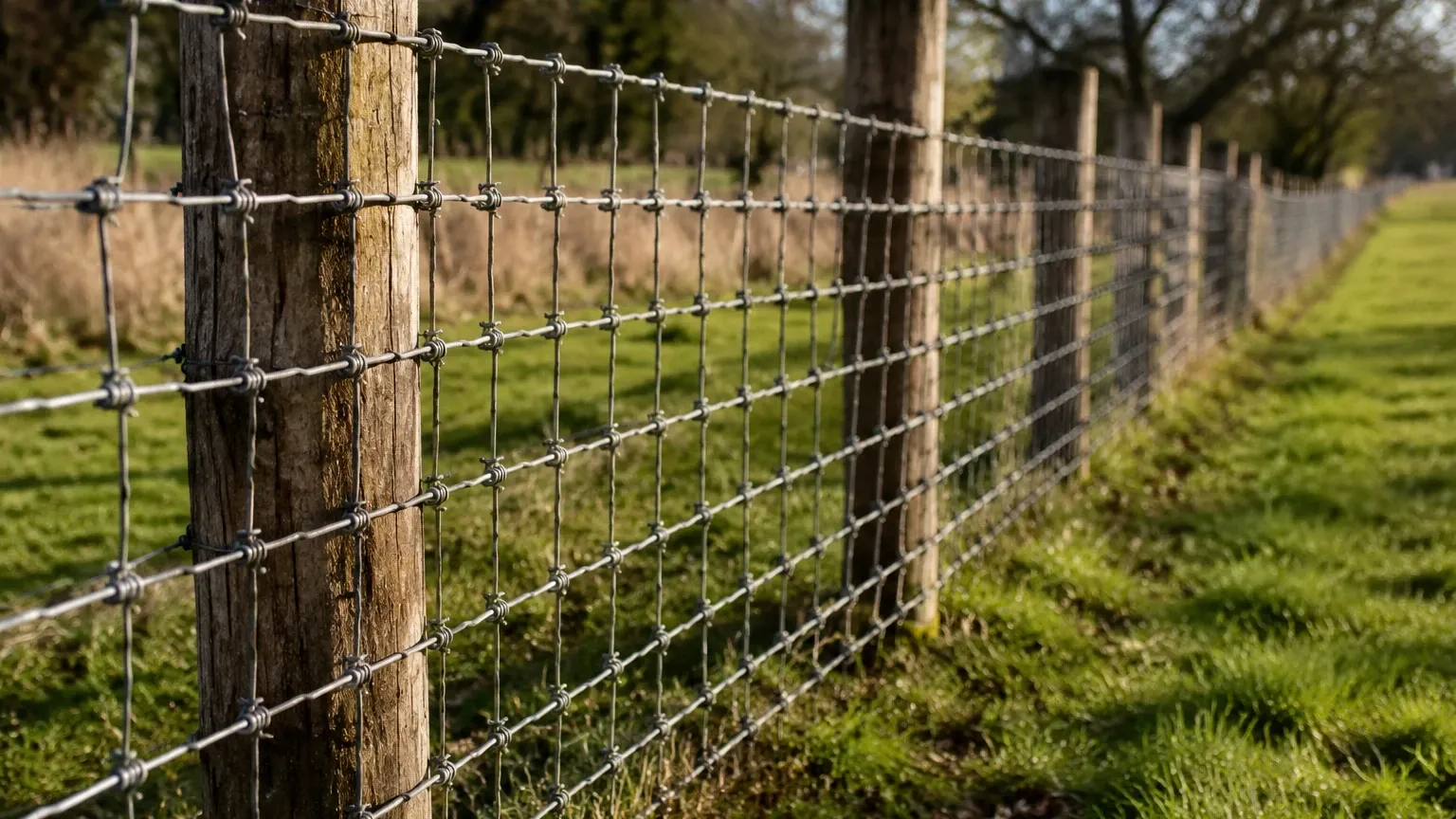
Begin mounting the mesh at a corner or end post. Use a tensioning tool to pull the mesh taut across the span. For stainless steel woven wire mesh, even a small amount of slack can lead to vibration and noise in high-airflow environments, so achieving the correct tension is vital.
Common Risks and Mitigation Strategies
While an in-house installation can be cost-effective, several risks must be managed to avoid project failure.
* Galvanic Corrosion: If stainless steel mesh is attached to carbon steel posts without proper insulation or coating, galvanic corrosion can occur. Always use compatible fasteners or provide a barrier between dissimilar metals.
* Improper Cutting: Cutting high-gauge stainless steel wire requires specialized tools. Using the wrong equipment can result in frayed edges and weakened mesh structures. Industrial shears or abrasive saws are typically required for a clean edge.
* Inaccurate Micron/Aperture Targets: If the fence is also intended to serve a filtration or separation purpose, using a mesh with the wrong aperture can lead to process inefficiencies or safety hazards. Always verify the micron rating with the manufacturer before procurement.
Maintenance and Long-Term Performance
One of the primary benefits of using stainless steel woven wire mesh is its low maintenance requirement. However, in industrial settings, regular inspections are still necessary.
* Cleaning: In food processing or pharmaceutical environments, the mesh should be cleaned regularly to prevent the buildup of contaminants. Stainless steel can withstand high-pressure washing and most industrial detergents.
* Inspection for Mechanical Damage: Check for signs of impact or wire breakage, especially in areas where forklifts or heavy machinery operate. A broken wire in a woven structure can eventually lead to unraveling if not addressed.
* Tension Checks: Over time, vibration or thermal expansion may cause the mesh to loosen. Periodic checks of the tensioning hardware ensure the fence remains secure.
Why Quality Manufacturing Matters
The success of any "woven wire fence diy" project depends heavily on the quality of the raw material. Inconsistent wire diameters or irregular weaving patterns can lead to weak spots in the fence, making it susceptible to failure under pressure. Professional manufacturers like Kaifil ensure that every roll or panel of woven wire mesh meets strict industrial standards for accuracy and durability.
By sourcing high-quality stainless steel mesh, engineers can ensure that their custom-built fences and enclosures provide reliable service for decades. Whether you are designing a simple safety partition or a complex filtration housing, the choice of mesh is the most critical factor in the project’s success.
Conclusion
Implementing an industrial-grade woven wire fence requires more than just basic DIY skills; it demands a deep understanding of material science and structural engineering. By selecting the appropriate stainless steel grade, calculating the correct mesh specifications, and following professional installation techniques, facilities can create durable, effective, and low-maintenance containment solutions. For those in the planning stages of a project, consulting with a specialist manufacturer can provide the technical clarity needed to move from design to execution with confidence.
