


Shell and Tube Heat Exchangers Manufacturers
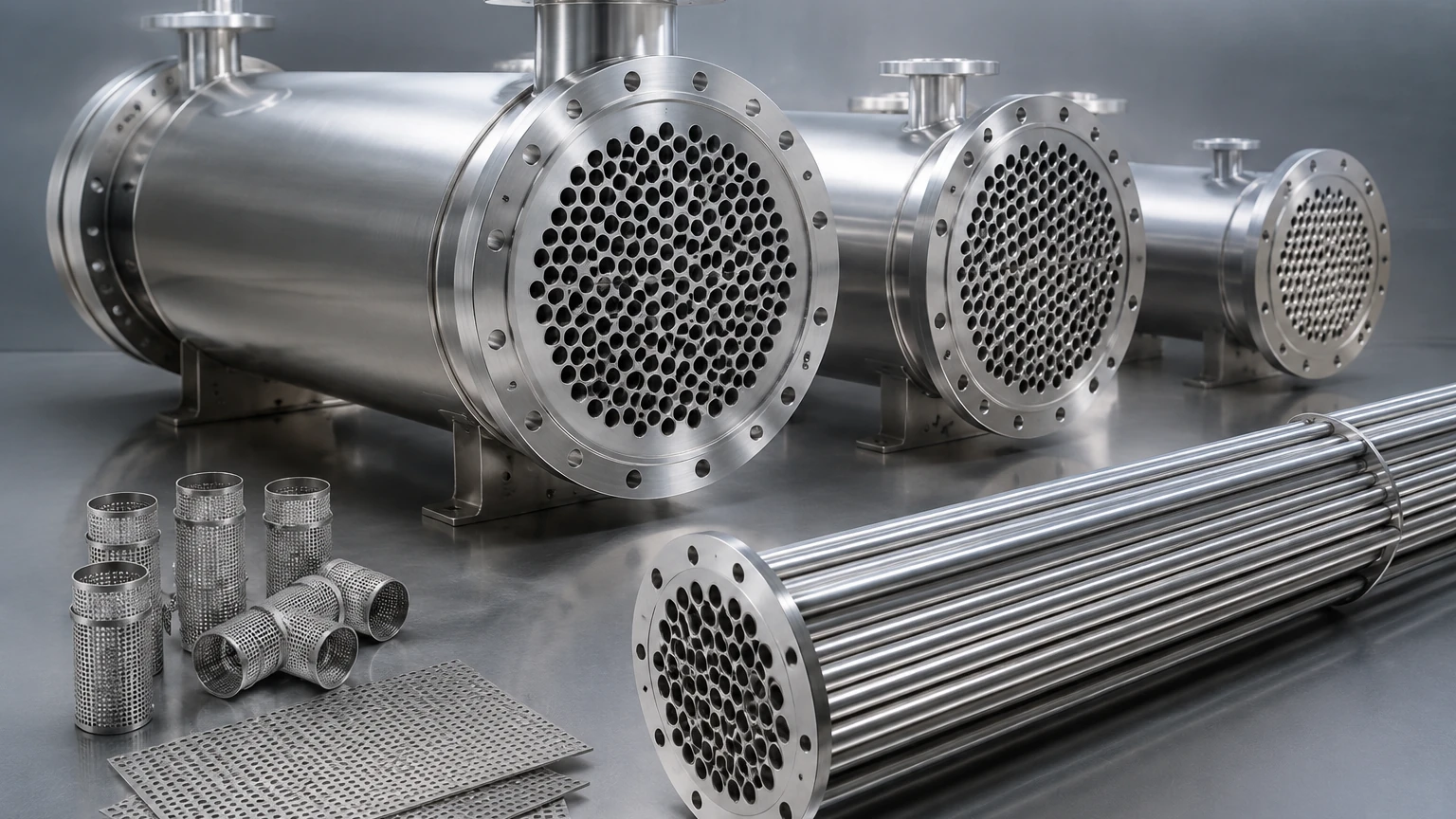
Shell and tube heat exchangers remain the most common type of heat transfer equipment used in high-pressure and high-temperature industrial applications. Their robust design, which consists of a series of tubes housed within a cylindrical shell, allows for efficient thermal exchange between two fluids without them coming into direct contact. For engineers and procurement teams, selecting the right shell and tube heat exchangers manufacturers involves a deep dive into technical capabilities, material science, and adherence to international engineering standards.
In sectors such as chemical processing, oil and gas, and power generation, the reliability of a heat exchanger is paramount. A failure in the heat transfer system can lead to significant downtime, safety hazards, and lost production. Therefore, understanding the engineering nuances that distinguish top-tier manufacturers is essential for long-term operational success.
Technical Standards and Engineering Compliance
When evaluating shell and tube heat exchangers manufacturers, the first point of assessment is their compliance with established industry standards. The most recognized authority in this field is the Tubular Exchanger Manufacturers Association (TEMA). TEMA defines the mechanical design, fabrication, and maintenance of shell and tube heat exchangers through three distinct classifications:
* TEMA Class R: Designed for the severe requirements of petroleum and related processing applications.
* TEMA Class C: Intended for general commercial and process applications where moderate conditions prevail.
* TEMA Class B: Specified for chemical process service, where the focus is on corrosion resistance and safety.
Beyond TEMA, manufacturers must also adhere to the ASME (American Society of Mechanical Engineers) Boiler and Pressure Vessel Code, specifically Section VIII, Division 1. This code ensures that the pressure-retaining components of the exchanger are designed and fabricated to withstand the internal and external pressures encountered during operation. Engineers should verify that a manufacturer holds the necessary ASME "U" or "UM" stamps, which signify that their quality control systems meet these rigorous international safety standards.
Material Selection and Corrosion Resistance
The longevity of a shell and tube heat exchanger is heavily dependent on the materials used in its construction. Manufacturers must possess the expertise to recommend materials based on the chemical composition, temperature, and pressure of the fluids involved.
Stainless steel is often the material of choice for demanding applications due to its excellent corrosion resistance and thermal properties. Common grades include 304 and 316L, but for highly corrosive environments involving chlorides or acids, manufacturers may utilize duplex stainless steels or high-nickel alloys like Monel or Hastelloy.
The choice of material extends beyond the tubes themselves. The tubesheet, baffles, and shell must all be compatible with the process fluids to prevent galvanic corrosion. Manufacturers with advanced metallurgical knowledge can provide guidance on the use of cladded materials, where a thin layer of expensive, corrosion-resistant alloy is bonded to a thicker, more economical carbon steel base, providing a cost-effective solution without compromising performance.
Thermal Design and Performance Modeling
A reputable manufacturer does not simply build to a drawing; they validate the thermal performance of the design. This typically involves sophisticated software such as HTRI (Heat Transfer Research, Inc.) or AspenTech’s thermal design suite. These tools allow engineers to simulate fluid flow, calculate heat transfer coefficients, and predict pressure drops across the shell and tube sides.
Key parameters that manufacturers must optimize include:
1. Log Mean Temperature Difference (LMTD): Determining the effective temperature driving force for heat transfer.
2. Fouling Factor: Accounting for the gradual accumulation of deposits on tube surfaces, which reduces efficiency over time.
3. Fluid Velocity: Balancing high velocities (which increase heat transfer but also increase pressure drop and erosion) with low velocities (which may lead to excessive fouling).
By providing detailed thermal rating reports, shell and tube heat exchangers manufacturers allow purchasing teams to compare different designs on a technical basis, ensuring the equipment will meet the specific cooling or heating requirements of the facility.
The Role of Filtration in Protecting Heat Exchangers
One of the primary causes of inefficiency and premature failure in shell and tube heat exchangers is fouling. Particulate matter, scale, and biological growth can accumulate on the inner and outer surfaces of the tubes, creating a thermal barrier that forces the system to work harder. This not only increases energy consumption but can also lead to localized corrosion under the deposits.
To mitigate these risks, integrated filtration solutions are critical. High-performance stainless steel wire mesh filters and precision metal filter components are used to remove contaminants from the process fluids before they enter the heat exchanger. By maintaining fluid purity, these filtration systems extend the time between cleaning cycles and protect the integrity of the heat transfer surfaces. For technical specifications on filtration components that support industrial heat transfer systems, you can visit our Main Page.
Implementing robust filtration is a proactive engineering strategy. It reduces the "Total Cost of Ownership" (TCO) by minimizing maintenance labor and preventing the need for aggressive chemical cleaning or mechanical tube brushing, which can thin the tube walls over time.
Evaluating Manufacturing Capabilities and Customization
Industrial applications rarely allow for off-the-shelf solutions. Therefore, the ability of shell and tube heat exchangers manufacturers to offer customization is a significant advantage. Customization may involve unique tube layouts, specialized baffle designs (such as helical baffles to reduce pressure drop), or non-standard nozzle orientations to fit existing piping footprints.
During the evaluation process, engineers should inquire about the manufacturer’s in-house capabilities, including:
* Welding Procedures: Are they qualified to AWS or ASME Section IX standards? Do they have experience with exotic alloys?
* Tube-to-Tubesheet Joining: Do they use strength welding, seal welding, or hydraulic expansion? The integrity of this joint is critical for preventing cross-contamination between the shell and tube fluids.
* Non-Destructive Testing (NDT): What methods are used to verify weld quality? Options include Radiographic Testing (RT), Ultrasonic Testing (UT), and Liquid Penetrant Testing (PT).
* Hydrostatic Testing: All units should undergo pressure testing at 1.3 to 1.5 times the design pressure to ensure structural soundness.
Common Risks and Mitigation Strategies
When sourcing from shell and tube heat exchangers manufacturers, it is important to identify and mitigate common operational risks. Vibration is a frequent issue in high-flow applications, where fluid-induced vibration can cause tubes to strike one another or the baffles, leading to mechanical failure. Top manufacturers perform vibration analysis as part of the design phase to ensure that baffle spacing and tube support are adequate to prevent resonance.
Another risk is thermal expansion. In applications with large temperature differentials between the shell and the tubes, the resulting thermal stress can warp the unit or crack welds. Manufacturers address this by incorporating expansion joints in the shell or by using a "floating head" design, which allows the tube bundle to move independently of the shell.
Procurement Checklist for Engineers
Before finalizing a contract with shell and tube heat exchangers manufacturers, engineering teams should confirm the following details to ensure the equipment is fit for purpose:
* Design Pressure and Temperature: Ensure the ratings cover the maximum possible excursions, not just normal operating points.
* Fluid Compatibility: Confirm that all wetted parts are compatible with the process chemistry.
* Maintenance Access: Verify that the design allows for easy removal of the tube bundle (if applicable) for inspection and cleaning.
* Spare Parts Availability: Confirm the lead times for replacement gaskets, seals, and specialized tubes.
* Documentation Package: Request a complete data book, including material test reports (MTRs), weld maps, NDT reports, and as-built drawings.
Conclusion
Selecting the right partner among shell and tube heat exchangers manufacturers requires a balance of mechanical engineering rigor, metallurgical expertise, and a clear understanding of the specific application's demands. By focusing on TEMA and ASME compliance, thermal design accuracy, and the integration of protective filtration systems, industrial facilities can ensure their heat transfer processes remain efficient and reliable for years to come. The goal is not just to purchase a piece of equipment, but to invest in a solution that optimizes energy use and minimizes operational risk across the entire lifecycle of the plant.
Download Shell and Tube Heat Exchangers Manufacturers as a PDF
