


Crude Unit Overhead Condenser
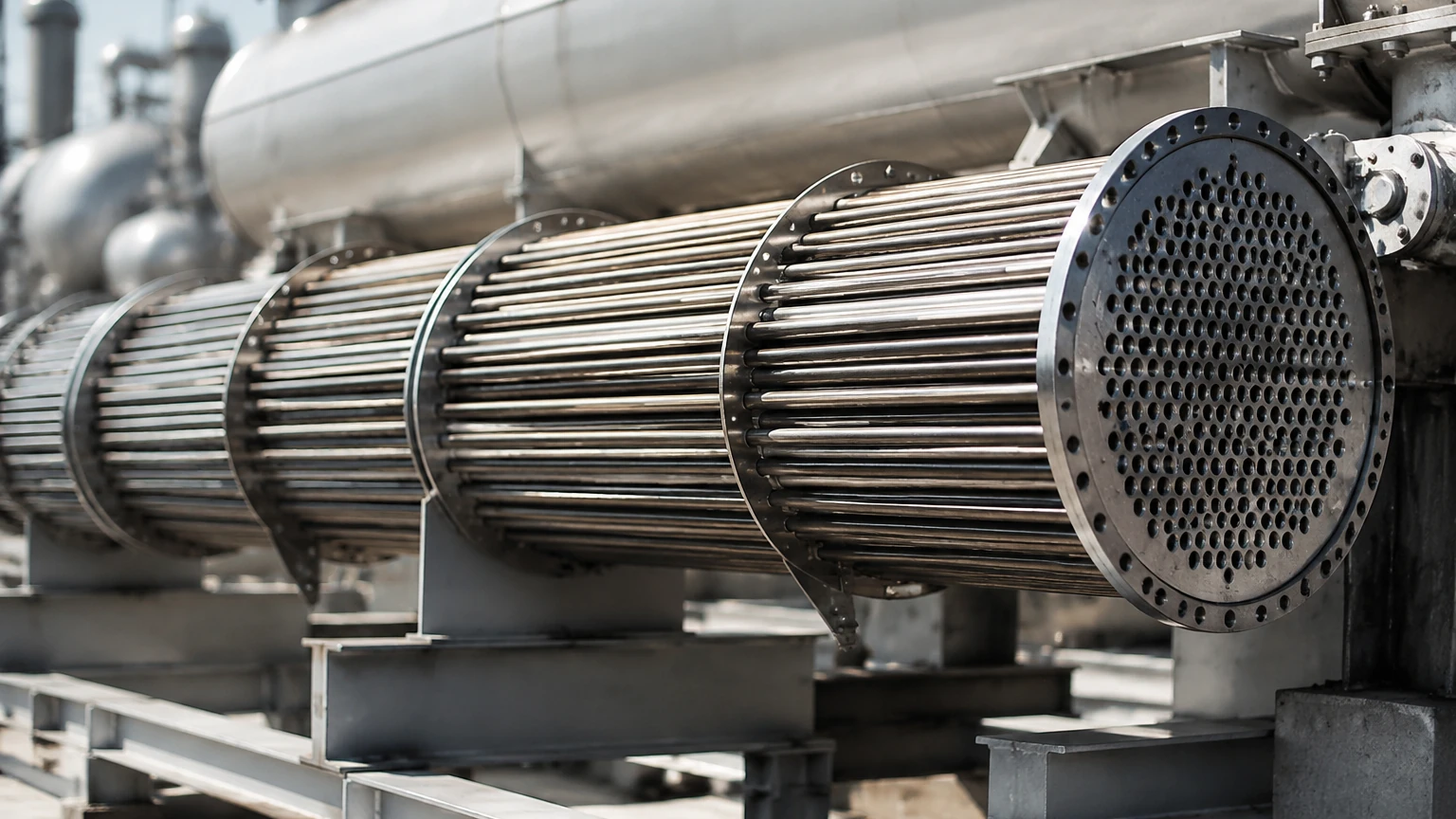
In the refinery sector, the crude unit overhead condenser serves as a critical heat transfer component within the Atmospheric Distillation Unit (CDU). Its primary function is to cool and condense the hydrocarbon vapors and steam exiting the top of the distillation column. This process transforms the overhead stream into liquid naphtha, water, and non-condensable gases, which are then separated in the overhead reflux drum. For engineers and maintenance teams, the reliability of the crude unit overhead condenser is paramount, as it directly impacts the unit's throughput, energy efficiency, and the quality of downstream feedstocks.
Effective operation of these condensers requires a deep understanding of the thermodynamic conditions, the chemical environment, and the mechanical risks associated with high-velocity vapor streams. Because this section of the refinery is prone to severe corrosion and fouling, the integration of high-performance filtration and separation components is essential to protect the heat exchanger surfaces and ensure continuous operation.
The Function and Design of Overhead Condensing Systems
The crude unit overhead condenser is typically designed as either a shell-and-tube heat exchanger or a series of air-cooled heat exchangers (fin-fans). In many configurations, a combination of both is used to achieve the necessary temperature drop. The overhead vapor, consisting of light hydrocarbons, water vapor, and potentially corrosive gases like hydrogen chloride (HCl) and hydrogen sulfide (H2S), enters the condenser at temperatures often ranging from 120°C to 150°C.
As the vapor cools below its dew point, water begins to condense. This "initial condensate" is highly aggressive because it absorbs acidic gases, creating a low-pH environment. Engineers must account for this phase change when selecting materials and designing the flow path. The efficiency of the condenser is measured by its ability to maintain the required pressure drop while maximizing heat recovery or rejection. Any accumulation of solids or salts within the condenser tubes quickly degrades this performance, leading to increased tower top pressure and reduced distillation efficiency.
Common Challenges: Fouling and Corrosion
The environment within a crude unit overhead condenser is one of the most challenging in a refinery. Two primary issues dominate the maintenance cycle: ammonium salt fouling and aqueous acid corrosion.
Ammonium Salt Deposition
Ammonia (either naturally occurring in the crude or added for pH control) reacts with hydrogen chloride to form ammonium chloride (NH4Cl) salts. These salts can deposit as solids on the condenser tube walls before the water dew point is reached. This dry salt deposition causes significant fouling, increasing the pressure drop and creating under-deposit corrosion sites. Effective filtration of the crude oil and the use of wash water can mitigate some of these issues, but the condenser itself remains the primary site for salt accumulation.
Acidic Corrosion
When water condenses, it dissolves HCl and H2S, forming a highly corrosive dilute acid. If the metallurgy of the condenser is not properly specified, or if the filtration system fails to remove particulates that can act as nucleation sites for corrosion, the equipment life is significantly shortened. Stainless steel components and specialized alloys are often employed in the most vulnerable zones of the overhead system to combat these chemical attacks.
The Role of Filtration in Protecting the Condenser
While the condenser is a heat transfer device, its longevity is heavily dependent on the filtration and separation strategy employed upstream and within the reflux loop. Particulate matter, including iron sulfides (scales) and catalyst fines, can enter the overhead stream from the distillation tower. If these solids reach the crude unit overhead condenser, they contribute to fouling and exacerbate erosion-corrosion.
Precision metal filtration components, such as those found on the Main Page of specialized manufacturers, play a vital role in these systems. Stainless steel wire mesh filters and sintered metal cartridges are used to:
1. Remove Solid Contaminants: Capturing corrosion products and scale before they enter the heat exchanger tubes.
2. Protect Downstream Pumps: Ensuring the naphtha and water separated after the condenser do not contain abrasive solids that could damage reflux pumps.
3. Enhance Coalescence: In the overhead drum, specialized mesh pads help separate the aqueous phase from the hydrocarbon phase, a process that is more efficient when the fluid is free of solid particulates.
For industrial applications, using 316L or Duplex stainless steel for these filtration elements is standard practice due to their superior resistance to the acidic conditions found in the overhead circuit.
Engineering Considerations for Material Selection
When specifying components for or around a crude unit overhead condenser, engineers must evaluate the metallurgy based on the crude slate being processed. High-sulfur (sour) crudes or crudes with high chloride content increase the risk of localized pitting and stress corrosion cracking (SCC).
* 316L Stainless Steel: Offers excellent resistance to general corrosion and is a common choice for filter elements and mesh pads in the overhead system.
* Duplex Stainless Steel: Provides higher mechanical strength and better resistance to chloride-induced SCC, making it suitable for condensers handling heavier or more contaminated crude loads.
* Monel or Titanium: In extreme cases where HCl concentrations are exceptionally high, these specialized alloys may be required for condenser tubes or critical filtration internals.
Beyond metallurgy, the mechanical design of the filtration media—such as the weave type of the wire mesh or the porosity of the sintered metal—must be optimized to balance filtration efficiency with a low clean pressure drop. In a crude unit, an excessive pressure drop at the tower top can limit the entire refinery's capacity.
Maintenance and Performance Optimization
Maintaining a crude unit overhead condenser involves regular monitoring of the temperature profile and the pressure differential across the exchanger. A sudden increase in pressure drop usually indicates salt fouling or the accumulation of solids.
Wash Water Injection
To combat salt deposition, many refineries use a wash water injection system upstream of the condenser. The water dissolves the ammonium salts and flushes them through the system. However, the wash water itself must be filtered to prevent the introduction of new contaminants into the condenser. High-quality stainless steel filter cartridges are typically used in the wash water line to ensure that only clean water is injected.
Filter Replacement Cycles
In the overhead system, the replacement cycle for filtration components is dictated by the solids loading of the crude and the effectiveness of the desalter. Engineers should look for filtration solutions that offer high dirt-holding capacity to extend the intervals between maintenance shutdowns. Sintered metal filters are often preferred in these applications because they can be cleaned and reused, providing a lower total cost of ownership compared to disposable options.
Evaluating Filtration Solutions for Refinery Service
When selecting a partner for filtration components in the crude unit overhead system, technical expertise is more important than simple product availability. The manufacturer must understand the nuances of refinery operations, including the specific challenges of the overhead environment.
Key factors to confirm with a supplier include:
* Micron Rating Accuracy: Ensuring the filter can capture the specific size of iron sulfide scales common in the unit.
* Chemical Compatibility: Verifying that the alloys used in the filter housing and media can withstand the low-pH environment during the water dew point transition.
* Pressure Rating: The filtration assembly must be capable of handling the operating pressures of the overhead system, including potential surges during process upsets.
* Customization: Often, existing refineries require custom-sized filter elements to fit into older vessel configurations without requiring extensive piping changes.
By focusing on these technical parameters, procurement teams can source components that not only protect the crude unit overhead condenser but also contribute to the overall stability of the distillation process.
Conclusion
The crude unit overhead condenser is a focal point of refinery efficiency and a primary target for corrosion and fouling mitigation. Protecting this asset requires a multi-faceted approach involving proper metallurgy, precise process control, and robust filtration. By implementing high-quality stainless steel filtration solutions, operators can reduce the frequency of unscheduled cleanings, prevent damage to downstream equipment, and maintain optimal heat transfer performance. For those seeking reliable, engineered filtration components designed for demanding industrial environments, exploring the technical capabilities of a dedicated manufacturer is the first step toward optimizing refinery operations.
Review product options and application support by visiting the Main Page to learn more about how precision metal filters support critical industrial processes like crude oil distillation.
