


Presure Vessels
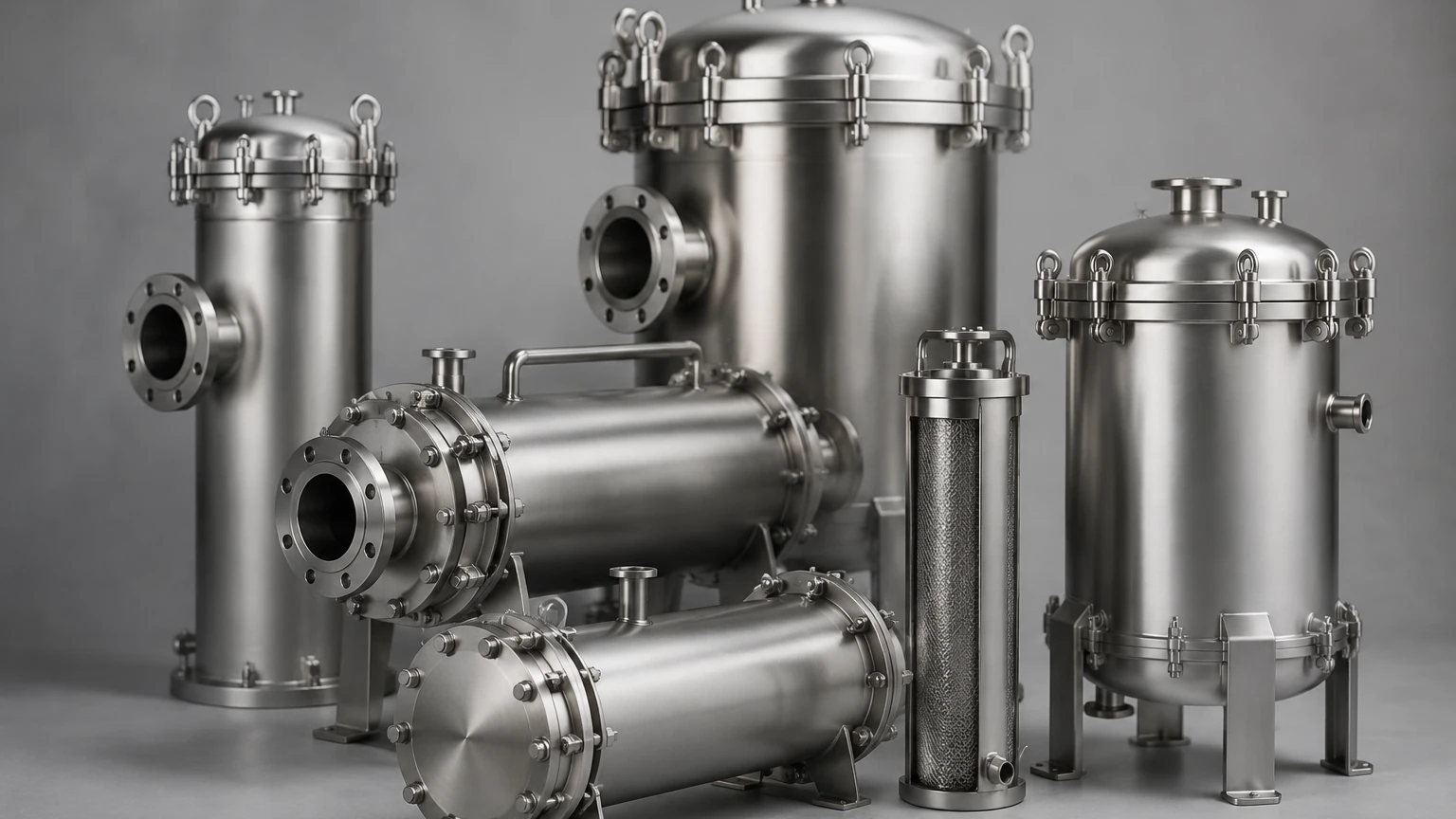
In industrial filtration systems, the containment of fluid under force is a critical engineering requirement. High-performance filtration often occurs within specialized containers known as pressure vessels. These components serve as the structural housing for filter cartridges, wire mesh elements, and other precision metal filtration media. For engineers and procurement specialists, understanding the technical nuances of presure vessels is essential for ensuring system safety, operational efficiency, and long-term durability in demanding environments like chemical processing, pharmaceutical manufacturing, and hydraulic systems.
At the core of industrial liquid and gas separation, the pressure vessel acts as the interface between the raw process stream and the filtered output. Because these systems operate under significant internal or external pressure, their design, material composition, and integration with filtration elements must adhere to strict engineering standards. This guide explores the technical considerations necessary for selecting and maintaining these critical components.
Engineering Fundamentals and Design Standards
The design of presure vessels is governed by international codes to ensure they can withstand the stresses of industrial operation without failure. The most recognized standard is the ASME Boiler and Pressure Vessel Code (BPVC) Section VIII, though the Pressure Equipment Directive (PED) is also widely used in European markets. These standards dictate the thickness of the vessel walls, the geometry of the heads (dish, hemispherical, or flat), and the welding procedures required for assembly.
When specifying a vessel for filtration, engineers must distinguish between the design pressure and the operating pressure. The design pressure is the maximum pressure the vessel is engineered to handle, typically including a safety factor above the maximum expected operating pressure. For filtration applications, one must also account for "surge" pressures—temporary spikes that occur during valve closures or pump starts. Failure to account for these dynamics can lead to fatigue in the metal housing or the internal filtration media.
Furthermore, the vessel must be designed to accommodate the "clean" pressure drop and the "terminal" pressure drop. As filtration elements like stainless steel cartridges accumulate contaminants, the resistance to flow increases. The vessel and its internal supports must be robust enough to handle the maximum differential pressure (Delta P) that occurs just before the filter elements are scheduled for cleaning or replacement.
Material Selection for Corrosive and High-Temperature Environments
Material compatibility is a primary concern in the selection of presure vessels and their internal filtration components. In industries such as food and beverage or chemical processing, the housing must resist both the process fluid and the chemicals used during Clean-in-Place (CIP) cycles.
1. Stainless Steel 304: Suitable for general-purpose applications where moderate corrosion resistance is required. It is commonly used in water treatment and less aggressive food processing environments.
2. Stainless Steel 316L: The industry standard for pharmaceutical and chemical applications. The addition of molybdenum provides superior resistance to chlorides and pitting, which is essential when the vessel is exposed to saline solutions or acidic process streams.
3. High-Nickel Alloys: In extreme cases involving highly corrosive acids or high temperatures, alloys such as Hastelloy or Monel may be required for both the vessel body and the internal wire mesh filters.
Beyond the shell material, engineers must evaluate the gaskets and seals. Common materials include EPDM, Viton (FKM), and PTFE. The choice depends on the temperature of the fluid and its chemical composition. A seal failure in a pressure vessel can lead to bypass—where unfiltered fluid escapes the filter element—or external leaks, which pose safety risks and environmental hazards.
Integrating Filtration Elements within Presure Vessels
A pressure vessel is only as effective as the filtration media it houses. The integration of stainless steel filter cartridges or wire mesh screens requires precise internal geometry. The "tubesheet" or internal manifold must be designed to hold the filter elements securely, preventing movement during flow fluctuations.
In many industrial setups, the Main Page of a filtration strategy involves choosing between single-round and multi-round housings. Single-round vessels are used for lower flow rates or batch processing, while multi-round vessels house dozens of cartridges to handle high-volume continuous flows.
The connection types for the internal elements also vary. Common configurations include:
* Double Open End (DOE): Requires a compression nut or spring to seal both ends against the vessel's internal seats.
* Code 7 (226 O-rings): Features a locking tab and double O-rings to ensure a high-integrity seal, often preferred in critical pharmaceutical or fine chemical applications.
* Threaded Connections: Used in high-pressure hydraulic systems to prevent the filter element from dislodging under extreme force.
Performance Evaluation: Flow Dynamics and Pressure Drop
Efficient filtration requires a balance between flow rate and pressure drop. When fluid enters a pressure vessel, it undergoes changes in velocity and direction. If the vessel's inlet and outlet ports are undersized, it creates unnecessary turbulence and a high "housing pressure drop," which reduces the overall efficiency of the pump system.
Engineers use the following parameters to evaluate performance:
* Flux Rate: The volume of fluid passing through a unit area of the filter media per unit of time. Lower flux rates generally lead to longer filter life and better contaminant retention.
* Viscosity Correction: High-viscosity fluids (like resins or heavy oils) require larger vessels and more surface area to maintain acceptable pressure drops.
* Contaminant Loading Capacity: This determines how much solid waste the filter can hold before the pressure drop reaches the terminal limit.
By optimizing the internal volume of the presure vessels and selecting the appropriate micron rating for the wire mesh or sintered metal elements, facilities can extend the interval between maintenance cycles, thereby reducing the total cost of ownership.
Risk Mitigation and Safety Protocols
Operating presure vessels involves inherent risks that must be managed through rigorous maintenance and safety protocols. The most common risks include over-pressurization, structural fatigue, and seal degradation.
Over-Pressurization
Every vessel must be equipped with a pressure relief valve (PRV) or a rupture disk. These safety devices are calibrated to trigger before the vessel reaches its burst pressure. In filtration systems, a sudden blockage in the filter media can cause a rapid rise in upstream pressure, making these safety components indispensable.
Structural Fatigue and Inspection
Cyclic loading—the repeated pressurization and depressurization of a vessel—can lead to microscopic cracks in the welds or the metal grain structure. Periodic Non-Destructive Testing (NDT), such as ultrasonic testing or radiographic inspection, is recommended to ensure the structural integrity of the vessel over its decades-long lifespan.
Maintenance and Replacement Cycles
The replacement cycle for internal filtration components is dictated by the differential pressure. However, the vessel itself requires maintenance, specifically the cleaning of the sealing surfaces and the inspection of the closure mechanism (such as swing bolts or V-band clamps). If the vessel lid is not seated correctly, it can lead to catastrophic failure under pressure.
Customization and OEM Considerations
Standard off-the-shelf presure vessels often fail to meet the specific spatial or performance requirements of complex industrial plants. Customization allows engineers to tailor the vessel to the exact needs of the application. This includes:
* Custom Nozzle Orientations: Aligning the inlet and outlet ports with existing piping to reduce installation costs.
* Specialized Internal Supports: Designing custom cages or cores for wire mesh filters to withstand high-pressure backwashing.
* Surface Finishes: For pharmaceutical and food-grade applications, the internal and external surfaces may require electro-polishing to achieve a specific Ra (Roughness Average) value, preventing bacterial growth and ensuring ease of cleaning.
Working with a manufacturer that understands both the vessel construction and the filtration media is vital. A holistic approach ensures that the filter elements fit perfectly within the housing, eliminating the risk of bypass and ensuring that the filtration accuracy meets the required specifications.
Conclusion
In the industrial landscape, presure vessels are more than just containers; they are engineered systems that protect the integrity of the filtration process. By carefully considering material compatibility, design standards, and the specific requirements of the internal filtration media, engineers can implement solutions that are both safe and efficient. Whether the application involves high-temperature chemical synthesis or high-purity water treatment, the synergy between the pressure vessel and its internal components remains the foundation of reliable industrial filtration. For more information on selecting the right components for your system, you may Review product options and application support to find the technical data necessary for your project.
