


Woven Wire Electric Fence Insulators: Technical Specifications and Integration Strategies
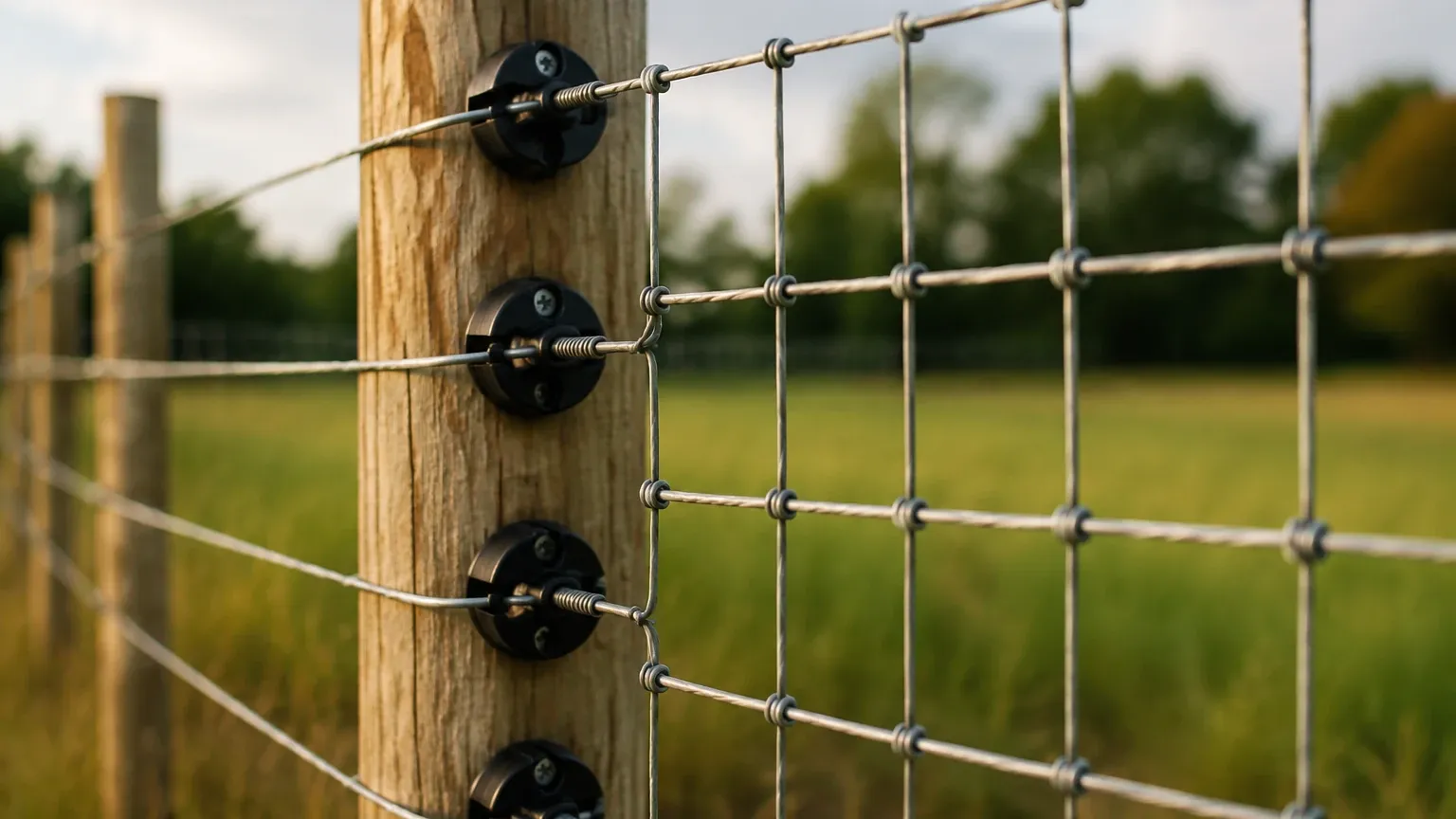
In industrial perimeter security and specialized agricultural containment, the integration of electrification with structural mesh requires a sophisticated understanding of material science and electrical engineering. While Woven Wire Mesh provides the mechanical strength and physical barrier necessary for high-integrity fencing, the addition of an electric charge necessitates the use of specialized woven wire electric fence insulators. These components are critical for maintaining the dielectric integrity of the system, ensuring that the electrical pulse remains within the mesh or offset wires rather than grounding through the support posts.
Selecting the correct insulation hardware involves evaluating the mechanical load of the mesh, the environmental conditions of the installation site, and the specific voltage requirements of the energizer. For engineers and procurement professionals, understanding the interaction between high-grade stainless steel mesh and polymer or ceramic insulators is essential for long-term system reliability.
The Role of Insulators in Woven Wire Systems
The primary function of woven wire electric fence insulators is to provide a non-conductive bridge between the energized mesh and the grounded support structure. In industrial applications, woven wire mesh is often chosen for its durability and precise aperture control. When this mesh is electrified—either directly or via offset wires—any contact with a conductive post (such as steel T-posts or pipe posts) will result in a short circuit, rendering the electrification ineffective.
Insulators must perform three key roles:
1. Electrical Isolation: They must possess high dielectric strength to prevent current leakage or "arcing," even in high-humidity or saline environments.
2. Mechanical Support: They must withstand the tension of the wire mesh and the lateral forces exerted by wind, ice, or animal impact.
3. Environmental Resistance: Because they are exposed to constant UV radiation and temperature fluctuations, the materials must resist degradation that could lead to cracking and eventual electrical failure.
Material Engineering: Polymers vs. Ceramics
When specifying woven wire electric fence insulators, the choice of material is the most significant factor affecting the lifecycle of the fence. Industrial-grade insulators are typically manufactured from high-density polyethylene (HDPE), polypropylene, or specialized technical ceramics.
High-Density Polyethylene (HDPE) and Polypropylene
These are the most common materials for modern industrial insulators. They offer excellent impact resistance and are lightweight, making them easy to install over large perimeters. To ensure longevity, these polymers must be treated with UV stabilizers (such as carbon black or specialized chemical inhibitors). Without these stabilizers, the plastic becomes brittle, leading to hairline fractures that can track moisture and cause a "leak" in the electrical system.
Technical Ceramics and Porcelain
For high-voltage applications or environments with extreme thermal cycling, ceramic insulators remain a preferred choice. Porcelain provides superior dielectric properties and is virtually immune to UV degradation. However, its brittleness makes it susceptible to damage from physical impacts. In systems utilizing heavy-duty stainless steel woven wire mesh, ceramic insulators are often reserved for corner posts and end-strainers where the mechanical tension is highest.
Compatibility with Stainless Steel Woven Wire Mesh
Industrial filtration and fencing applications often utilize high-grade alloys like SS304 or SS316L. When integrating these materials with electric fence components, engineers must consider the physical characteristics of the mesh.
Standard woven wire mesh, including plain, twill, and dutch weaves, presents a unique challenge for insulation due to its surface area. Unlike a single strand of smooth wire, a woven mesh has multiple contact points. If the mesh is being electrified directly, the insulator must be designed to grip the mesh securely without causing abrasion.
Stainless steel is significantly harder than the galvanized steel wires typically used in agricultural fencing. This hardness can lead to "sawing" through soft plastic insulators if the mesh is allowed to vibrate or shift due to wind. Therefore, insulators designed for woven wire mesh often feature reinforced "shields" or deeper grooves to accommodate the thickness and texture of the weave. For technical projects, specifying the mesh count and wire diameter is vital to ensure the insulator's seat is appropriately sized.
Installation Protocols for Industrial Perimeters
The effectiveness of woven wire electric fence insulators is heavily dependent on the quality of installation. Improperly spaced or poorly secured insulators are the leading cause of system downtime.
Post Selection and Attachment
In industrial settings, fencing is often mounted on steel T-posts, Y-posts, or round pipe posts. Each post type requires a specific insulator design:
* T-Post Insulators: These typically snap onto the studs of the post. For woven wire mesh, heavy-duty versions with a bolted-on mechanism are preferred to prevent the mesh from pulling the insulator off the post under tension.
* Pipe Post Insulators: These often use a heavy-duty strap or a bolt-through design. In high-security environments, the insulator should be positioned to maintain a consistent offset distance between the mesh and the post.
Tension Management
Woven wire mesh requires significant tension to remain effective as a physical barrier. Insulators located at corner posts or change-of-direction points must be rated for high tensile loads. Using "porcelain donuts" or heavy-duty glass-filled nylon strainers at these points ensures that the electrical isolation remains intact even when the mesh is under several hundred pounds of force.
Evaluating Dielectric Strength and Arcing Risks
One of the most common failure modes in electrified woven wire systems is "tracking." This occurs when a path of carbon or moisture forms on the surface of the insulator, allowing the current to bypass the insulation and reach the ground.
To mitigate this risk, engineers should look for insulators with a large "creepage distance." This is the shortest path along the surface of the non-conductive material between the energized wire and the grounded post. Insulators with molded fins or umbrellas increase this distance, which is particularly important in coastal areas where salt spray can create a conductive film on the hardware.
Furthermore, the voltage rating of the insulator must exceed the peak output of the fence energizer. While a standard energizer might output 5,000 to 9,000 volts, spikes can occur. Using insulators rated for 15kV or higher provides a necessary safety margin to prevent puncture of the material.
Maintenance and Long-Term Performance Monitoring
An industrial fence is only as reliable as its weakest insulator. Regular maintenance schedules should include thermal imaging or ultrasonic leak detection to identify insulators that are beginning to fail before they cause a total system short.
Signs of failing woven wire electric fence insulators include:
* Cracking or Crazing: Visible fine lines on the surface of plastic insulators indicating UV damage.
* Discoloration: Dark spots or "burn marks" indicating where arcing has occurred.
* Audible Clicking: A rhythmic sound during damp weather, which usually indicates a short circuit at a specific insulator.
When replacing insulators, it is critical to ensure that the replacement hardware matches the material specifications of the original system to prevent localized weak points.
Technical Procurement: What to Confirm with Suppliers
When sourcing components for an industrial filtration or containment project that involves electrified mesh, procurement teams should move beyond generic descriptions. To ensure the longevity of a system utilizing Woven Wire Mesh, confirm the following technical details with your supplier:
1. UV Rating: Request the specific UV inhibitor package used in the polymer (e.g., percentage of carbon black).
2. Tensile Strength: For corner and end insulators, confirm the maximum load rating in Newtons or pounds-force.
3. Chemical Compatibility: If the fence is located in a chemical processing plant or a high-corrosion environment, ensure the insulator material is resistant to the specific chemicals present.
4. Aperture Compatibility: Ensure the insulator's attachment point can accommodate the specific wire diameter and mesh density of your woven wire.
By focusing on these engineering-led criteria, organizations can build perimeter systems that combine the structural integrity of precision-manufactured wire mesh with the active deterrent of electrification, resulting in a low-maintenance, high-security solution. For specialized applications requiring custom mesh configurations or high-performance alloys, working with a manufacturer that understands the nuances of industrial filtration and metal components is essential for achieving the desired performance outcomes.
